
 Caleb Turner
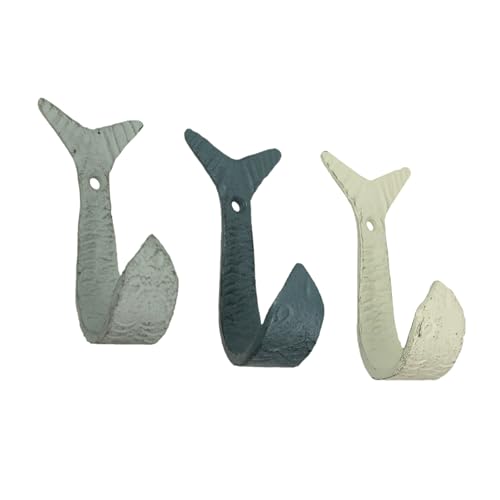
I recommend incorporating lighter textiles to create a fresh contrast against rich woods. Soft white or sandy beige cushions, light sheer curtains, and beach-inspired throws can instantly soften the atmosphere and evoke the seaside charm.
Incorporating sea-inspired decor pieces is essential. Items like coral sculptures, driftwood accents, and starfish arrangements breathe coastal vibes into the space effortlessly. They draw attention to the theme while maintaining a balanced aesthetic with darker tones.


Consider adding greenery as well. Houseplants with lush, tropical leaves can enliven the environment and enhance the connection to nature. Opt for planters in light colors or natural materials, which harmonize beautifully with both the wood’s darkness and the coastal motif.
Another idea is to play with paint and finishes. A soft, beachfront palette on the walls, such as pale blues or sandy yellows, can create a bright backdrop that complements the existing pieces. Alternatively, a whitewash technique on darker surfaces can help achieve a weathered beach look, bringing a sense of calm and openness.
Transforming the Vibe of Your Furniture
Choose a lighter color palette for accessories and textiles. Opt for soft pastels, whites, or sandy hues in cushions and throws. I find that these shades soften the boldness of darker pieces and evoke a serene coastal ambiance.
Incorporate Natural Materials
Add elements like rattan, jute, or driftwood to create contrast with the intensity of darker surfaces. A jute rug under a dining table or rattan accents in decor can harmonize beautifully within the space.
Utilize Plants and Greenery
Integrating succulents or other indoor plants instantly breathes life into the environment. Green tones juxtaposed with deeper shades enhance the airy and refreshing feel that mimics coastal settings. Use white or light-colored pots for a cohesive look.
Choosing the Right Color Palette for Beachy Vibes
I often choose a soft, coastal-inspired color scheme to create a relaxed ambiance. Here’s a layout of colors that contribute to that serene, sandy feel:
- Soft Whites: Opt for creamy whites or off-whites that reflect light and enhance the airy essence.
- Pale Blues: Light shades reminiscent of the ocean, such as sky blue or azure, invoke a refreshing sense of calm.
- Seafoam Greens: Muted greens that reflect coastal flora will bring a natural element to the space.
- Warm Beiges: These shades mimic sandy beaches, grounding the overall aesthetic and adding warmth.
- Coral Accents: Incorporate hints of coral or peach to provide a lively pop while maintaining a laid-back vibe.
Here are some tips for balancing colors effectively:
- Choose a primary light color to dominate the space, ensuring the area feels bright and inviting.
- Utilize the accents judiciously; too much can overpower the soothing atmosphere.
- Incorporate textures that complement the palette–think woven fabrics and natural materials to enhance the beachy feel.
This approach can effortlessly transform the room while respecting the inherent charm of existing pieces. By selecting a thoughtful color palette, I achieve that desirable coastal ambiance, harmonizing tones and textures seamlessly.
Selecting Complementary Textiles and Fabrics
Prioritize light and airy materials such as linen, cotton, or sheer fabrics. These textiles immediately evoke a coastal feel and enhance the brightness of the setting. Choose drapes, cushions, and throws in these softer materials for a breezy effect.
Color and Pattern Choices
Incorporate soft shades such as whites, pastels, or sandy beiges to contrast with the deeper tones of the furnishings. Stripes, nautical motifs, or botanical prints resonate with seaside themes and create a cohesive design. Aim for patterns that mimic natural elements like seashells or waves.
Textures for Depth
Integrating varied textures adds visual interest. Combine knitted or woven pieces such as jute rugs or macramé wall hangings with plush fabrics. This layering effect creates a relaxed atmosphere, balancing the bold presence of the furniture with a casual, inviting vibe.
Incorporating Natural Elements with Accessories
Utilize jute or sisal rugs to add texture and a coastal feel to the space. Their natural fibers bring warmth and reinforce a laid-back atmosphere.
Choose accessories made from materials like driftwood, shells, or beach stones. Items such as decorative bowls or wall art crafted from these elements introduce organic shapes and colors, enhancing the seaside vibe.
Incorporate plants like succulents or palms in woven baskets. The greenery adds life while the natural fiber of the baskets complements darker tones effectively.
Opt for light-colored ceramic or glass vases that incorporate sandy or oceanic hues. Fill them with seasonal flowers or dried grasses to evoke memories of coastal settings.
Use linen or cotton throw pillows in soft, pastel shades or oceanic prints. Their lightness creates contrast and breaks the heaviness of the deeper tones.
Adorn surfaces with beach-inspired decor such as candles in glass holders that mimic sea glass. These elements add subtle color variations and beachy charm without overpowering the space.
Lastly, consider wall-mounted shelves made from reclaimed wood, displaying curated collections of coastal finds. This not only organizes decor but also creates an artistic focal point that reflects a tranquil seaside essence.
Utilizing Lighting to Enhance a Coastal Atmosphere
Maximize natural light by using sheer curtains that allow sunlight to filter through while maintaining privacy. This creates an airy feeling and links the interior with the outdoor environment. Position mirrors across windows to reflect light and visually expand the space, enhancing the overall brightness.
Opt for warm-toned bulbs in light fixtures to replicate the sun’s glow, creating an inviting ambiance during evening hours. Dimmers can be installed to adjust light intensity, allowing for softer illumination reminiscent of twilight by the sea.
Incorporate statement lighting pieces that reflect coastal themes, such as fixtures made from natural materials like rattan or driftwood. Pendant lights with glass elements can evoke the feel of sea glass, adding a subtle nautical touch.
Layer lighting sources, including floor lamps and table lamps, to create a cozy atmosphere. Choose lampshades in light colors or patterns reminiscent of sandy shores to distribute light gently. Avoid harsh overhead lighting, opting instead for sources that enhance comfort.
Utilize lanterns and candles for ambient lighting, especially in outdoor spaces. These elements evoke a beach bonfire vibe, fostering relaxation and warmth. Arrange them casually for a more informal, breezy aesthetic.
Exploring DIY Techniques for Furniture Transformation
One effective approach I often employ involves using a combination of chalk paint and a wax finish. Chalk paint is forgiving and adheres well to various surfaces. I select a soft, sandy hue, applying two coats for full coverage. After it dries, I enhance the look with a clear wax, buffing it to a soft sheen. This technique promotes a sun-bleached effect while retaining texture.
Adding Texture with Sanding Techniques
A light sanding after painting can introduce an aged appearance. It’s best to focus on edges and high points where natural wear would occur. Hand-sanding with fine grit paper provides control, revealing the underlying finish and creating depth. For an added layer of authenticity, I recommend using a medium grit for a more distressed look.
Decoupage with Nautical-Themed Paper
Decoupage is an excellent way to incorporate coastal themes. Utilizing patterned paper featuring seashells or waves, I apply a decoupage medium to adhere it to surfaces. After it dries, I seal it with additional coats of the medium for protection. This method personalizes each piece and brings in desired seaside motifs.
| Technique | Description | Materials Needed |
|---|---|---|
| Chalk Paint & Wax | Offers a matte finish with a subtle sheen. | Chalk paint, clear wax, brushes. |
| Sanding | Creates an aged or distressed look. | Sandpaper (fine and medium grit). |
| Decoupage | Incorporates themed paper for a unique design. | Craft paper, decoupage medium, brush. |
These DIY techniques allow for personalized and creative transformations. Every piece becomes a reflection of my aesthetic, seamlessly integrating a coastal lifestyle into my home.
Arranging Furniture for an Open and Airy Feel
Position seating pieces away from walls to create flow and accessibility throughout the space. This encourages movement and interaction, which is key for a relaxed atmosphere.
Zone Definition
Establish distinct areas for various activities using your layout:
- Social Zone: Cluster sofas and chairs facing each other to facilitate conversation.
- Reading Nook: Place a comfortable armchair near a natural light source with a small side table.
- Dining Space: Opt for a round table to enhance intimacy, surrounded by lightweight, casual chairs.
Spacing Techniques
Leave ample space between furniture pieces to create an unobstructed movement path. Aim for at least 24 inches between coffee tables and seating. This simple adjustment enhances airiness.
- Transparent Elements: Incorporate glass or acrylic tables to maintain visual lightness.
- Low Profiles: Select shorter seating options that do not obstruct views, maintaining an open feel.
Lastly, consider using rugs to define areas without trapping the eye. Ensure the edges are lifted and not confined to create a seamless flow. By following these guidelines, the ambiance will transform into a breezy, inviting space that echoes a coastal retreat.


