Caleb Turner
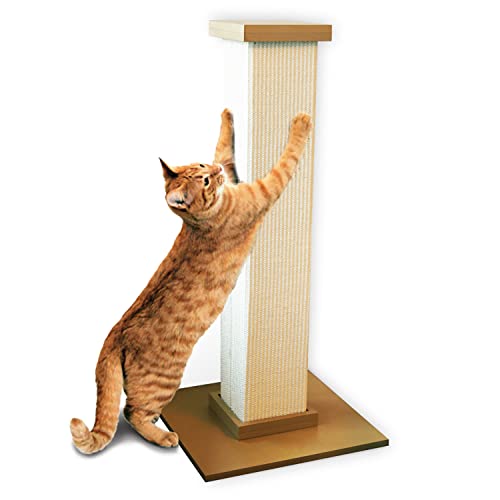
I found that providing an attractive scratching post is a game changer. Opt for one that is tall and sturdy, allowing your pet to stretch comfortably. Place it near their favorite lounging area to encourage use. Consider models with varied textures to appeal to their natural instincts.
Training techniques can also play a significant role. Redirecting your pet’s attention each time they approach a piece of your décor is essential. Use treats or toys as positive reinforcement when they use appropriate surfaces instead.
Additionally, applying double-sided tape or a citrus-scented spray to areas at risk can deter interest. Most felines dislike the sticky texture, while the scent keeps them away from those spots.


Regular claw maintenance is another effective preventive measure. Regular trimming can minimize damage and lessen the need for them to seek out other surfaces. Be consistent with this routine to create a sense of comfort for your pet during grooming sessions.
Understanding Cat Behavior Towards Scratching
Redirecting the urge to scratch involves recognizing its purpose. Felines naturally engage in this activity for territory marking, stretching muscles, and shedding old claws. Providing appropriate outlets is key.
Identify Preferred Materials
Observe which surfaces your pet gravitates toward. Different textures may appeal to them, such as sisal or carpet. Offering varied scratching alternatives, like posts or pads with preferred materials, can meet their needs effectively.
Positive Reinforcement
Encouragement plays a critical role. Whenever the animal uses designated scratching locations, reward with treats or praise. This builds an association between scratching in the right places and positive outcomes.
Establishing boundaries through pheromone diffusers or sprays can deter unwanted behavior. Understanding the instinctual need for scratching allows for proactive solutions tailored to individual preferences and needs.
Choosing the Right Scratching Post for Your Pet
Select a scratching post that matches the preferences and habits of your companion. Stability is paramount; choose a sturdy option to withstand vigorous scratching sessions. A post that easily tips over discourages your furry friend from using it.
Materials Matter
Natural fibers like sisal or woven grass are preferable, as they mimic the textures found in the wild. These materials encourage your feline to engage, offering an outlet for their instinctual behavior. Avoid synthetic fabrics, as they might not attract your pet.
Height and Design
Consider height; most companions prefer tall posts that allow stretching when scratching. Evaluate designs that provide multiple angles or levels for scratching, as variety can captivate their interest. Additionally, a multi-functional piece with a resting spot can enhance its appeal.
Involve your furry friend in the selection process. Test their reaction to different posts in a store setting or observe their behavior with various materials at home. This involvement boosts the likelihood of successful adoption of the post.
Strategically Placing Scratching Posts Around Your Home
Position scratching posts in areas where activity occurs frequently, like living rooms or near windows. Cats enjoy observing their surroundings, so placing these structures where they can see outside stimulates their natural curiosity and encourages use.
Consider high-traffic zones for placement, like entrances or alongside pathways. This invites interaction, making it more likely for your furry friend to use the posts instead of targeting your belongings.
In addition, place posts close to existing surfaces that attract scratching. By doing this, I noticed my pet started favoring the designated areas and gradually shifting away from unwanted targets.
Utilize vertical space effectively. Installing wall-mounted options is advantageous as it maximizes space and gives a safe perch for my companion. Cats naturally climb, so elevating their scratching posts can be enticing.
Another tip is creating multiple areas with various post types–some vertical, some horizontal. Offering diversity keeps engagement high and stimulates different scratching behaviors.
Regularly relocate the scratching posts to new spots can reignite interest and prevent staleness. My experience shows that variety gives my pet a fresh perspective, encouraging regular use of their designated scratching areas.
Using Cat Attractants to Encourage Scratching Posts
Incorporating attractants can significantly increase your feline’s interest in designated scratching surfaces. Utilize the following strategies:
1. Catnip
Sprinkle a small amount of dried catnip on the scratching post. This herb often acts as a natural lure, enticing many felines to engage with the post instead of your belongings.
2. Synthetic Attractants
Consider purchasing commercial attractant sprays that mimic the effects of catnip. These products can be applied directly onto the scratching post, enhancing its appeal.
3. Rewards and Positive Reinforcement
- After your pet uses the post, offer treats or affectionate praise.
- Engage in play sessions near the post with interactive toys, linking the area to enjoyable experiences.
Rotate the types of attractants used periodically to keep the experience fresh and stimulating. By using these methods, your pet is more likely to favor the scratching post over other surfaces.
Training Your Cat to Use Designated Areas for Scratching
Consistency is key. I designate specific times each day to encourage my feline friend to use the scratching posts. During these sessions, I gently guide my cat’s paws onto the post, reinforcing the behavior with praise or treats.
Positive Reinforcement Techniques
I utilize positive reinforcement to promote the use of scratching areas. Each time my cat scratches the designated post, I offer a treat or verbal praise. Over time, this builds a positive association with the posts.
Redirecting Attention
When I catch my pet in the act of targeting furniture, I redirect them immediately to the scratching post. I make sure to use a calm but firm voice, accompanied by gentle physical guidance. This consistent redirection helps reinforce the desired behavior.
Applying Deterrents to Furniture Surfaces
To discourage unwanted scratching on furniture, I found that applying certain deterrents effectively alters behavior. One of the most straightforward methods involves utilizing double-sided tape. The adhesive barrier creates a texture that most felines dislike, leading them to reconsider their approach to the targeted surface.
Additionally, citrus scents serve as a natural repellent. Using citrus-scented sprays or placing citrus peels on the surface can keep these creatures at bay, as many of them are averse to this aroma. Regular reapplication ensures the scent remains potent.
Another effective solution is the use of commercial feline deterrent sprays, specifically formulated to deter scrunching. I recommend testing various products to identify which one triggers the desired reaction, as results can vary based on individual preferences.
For a temporary yet impactful option, placing protective covers or furniture pads can provide a physical barrier and prevent damage while training is underway. Opt for materials that are easy to clean and reposition as necessary.
It’s essential to apply these methods consistently. Integration of deterrents into daily routines enhances the effectiveness, reinforcing the message that the specific areas are unappealing for unwarranted attention.
| Deterrent Method | Description | Notes |
|---|---|---|
| Double-Sided Tape | Adhesive tape that creates an unpleasant texture. | Reapply regularly. |
| Citrus Scents | Sprays or peels that emit citrus aromas. | Effective for many; reapply often. |
| Commercial Sprays | Feline deterrent sprays available in stores. | Test different brands for effectiveness. |
| Protective Covers | Physical barriers to deter scratching. | Easy to clean and adjust. |
Regular Nail Trimming to Minimize Damage
Schedule nail trimming every two to four weeks. This practice ensures the claws remain short, reducing the potential for damage to surfaces. Use sharp clippers designed specifically for pet claws to achieve a clean cut without splitting.
Familiarize your pet with the trimming process from a young age. Desensitizing them to nail care can make future trims less stressful. Associate the experience with positive reinforcement, such as treats or affection, helping them adapt to the routine.
When trimming, focus on the transparent part of the claw, known as the quick. Avoid cutting into this area, as it contains nerves and blood vessels, which can cause pain and bleeding. If unsure, consult a veterinarian for guidance on proper techniques.
Incorporate nail caps as an alternative or an additional preventative measure. These soft materials fit over the claws, effectively minimizing damage while allowing your pet to engage in natural behaviors. However, ensure they are applied correctly to avoid discomfort.
Consider investing in monthly nail care sessions with a professional groomer if at-home maintenance proves challenging. Their expertise can provide peace of mind and ensure proper nail health for your animal companion.
Creating a Cat-Friendly Environment with Alternative Materials
Incorporating natural elements into your living space can effectively redirect your pet’s scratching tendencies. Utilizing sisal, seagrass, or untreated wood for climbing structures or scratching posts provides an appealing surface for your furry companion while preserving your belongings.
Explore Various Textures
Investing in items with diverse textures will intrigue your feline friend. For example, carpet remnants or upholstery made from sturdy fibers can serve as an engaging alternative. Place these materials in designated areas; this allows exploration while reducing the likelihood of damage to your personal effects.
Repurpose Household Items
Transform everyday objects into engaging scratching spots. Cardboard boxes and paper bags can be cut into strips and adhered to stable surfaces, creating makeshift scratchers. These solutions not only save money but also engage your pet without sacrificing your decor.
Consider adding soft pads or cat trees wrapped in jute for a visually appealing and functional addition to your home. The combination of aesthetic appeal and utility can create an environment that satisfies both your needs and those of your feline friend.
With thoughtful choices in materials, your space can remain intact while ensuring an enjoyable atmosphere for your pet. Embracing alternative options will lead to a harmonious balance between comfort and the natural instincts of your companion.
Monitoring and Adjusting Strategies Based on Feline Response
I recommend closely observing your pet’s behavior in response to different approaches for surface scratching. Recording these behaviors can provide valuable insights into what strategies work best. Keep a daily log noting the effectiveness of each method, including interactions with scratching posts and deterrents applied to certain areas.
Behavioral Indicators to Track
- Frequency of visits to scratching posts versus unwanted areas.
- Time spent using designated posts or alternatives.
- Body language signals, such as relaxed posture or frustration.
- Response to applied deterrents, including any signs of avoidance or curiosity.
If a specific approach yields positive results, reinforce that method consistently. If not, consider modifying the elements involved:
Adapting Techniques for Better Success
- Experiment with different textures on scratching posts–some may prefer sisal over carpet or cardboard.
- Relocate posts to high-traffic areas where they feel comfortable and secure.
- Alter the type of attractants used; some may respond better to catnip, while others might like different scents.
- Evaluate and adjust the effectiveness of furniture deterrents; if an area remains targeted, switch to a stronger or different repellent.
Keep in mind that every situation may require unique adjustments, as personal preferences vary. Staying observant makes it easier to determine what works or needs refinement in the ongoing quest for a harmonious living space.