Caleb Turner
The most effective method I’ve found involves using specific commands and tools available in the housing interface. Begin by placing your chosen piece on a surface, ideally with a flat foundation like a table or a platform. This sets a stable base for adjustments.
Next, utilize the placement options to align the item precisely against the wall or adjacent furniture. Employ the camera controls to examine from various angles for the desired perspective. It’s essential to ensure that the object appears seamlessly integrated into the environment without any unsightly overlaps or gaps.
For a more advanced approach, using the rotation feature can add depth and character to the arrangement. I often rotate pieces slightly to create a more natural look, mimicking how objects are positioned in real life. This method not only enhances aesthetics but can also make functional use of available space.
Lastly, don’t hesitate to experiment with different combinations and layouts. The freedom to move and arrange items opens up countless possibilities for personalizing any area. Remember, creativity is the key to elevating your interior design.
Steps for Elevating Items within a Space in FFXIV
I recommend using the item placement mechanic to achieve your desired design. First, ensure that you’ve unlocked the ability to place items. Open your placement menu and select the desired item. Approach the surface where you’d like to position it, then access the item placement controls.


To raise your selected piece, utilize the vertical movement toggle. Aim for precision; moving your character toward the placement spot influences how the item levitates. Adjust the height incrementally, checking repeatedly from various angles to ensure it aligns perfectly with your vision.
Using the Wall Technique
This method involves placing an object next to a wall. When positioning, slightly pull the item away from the wall, then quickly reposition it. This action can create an illusion of elevation and spatial manipulation. Make sure to adjust until you achieve a seamless appearance.
Employing the Object Overlay Method
<p.for this approach, stack two different items, allowing one to act as a support for the other. This technique enables you to create creative designs that appear elevated without causing a visual clash. Experiment with various combinations for unique outcomes.
Understanding the Floating Mechanics in FFXIV
To manipulate items within your space, I recommend familiarizing yourself with the specific colliders and geometry of your environment. Each piece has unique dimensions, meaning placement can require trial and error to achieve the desired look. Understanding the underlying mechanics can greatly enhance this process.
Positioning Techniques
One effective method is using walls or other nearby objects as a guide for precise adjustments. It allows me to gauge how far I can shift an item without it snapping back to its original position. Employing the camera’s free-look function is invaluable, as it offers a better perspective on alignment and spacing.
Movement Strategies
I find it beneficial to experiment with different item types and their responses to movement commands. Some pieces exhibit unique behaviors–when placed next to certain structures, they may merge or align perfectly. It’s critical to shift angles and positions until the object settles into the desired orientation. Mastery of these nuances will enable more creative designs in any given area.
Required Items for Floating Furniture
Gather the following materials to facilitate the process of levitating items in your estate:
- Item Placement Tool – This tool is crucial for adjusting the position of objects.
- Invisible Wall – These are typically crafted using specific crafting materials; they assist in the alignment and positioning of items above ground level.
- Stackable Objects – Use items like crates, barrels, or small tables that can be stacked and serve as a base for elevation.
- Housing Permissions – Ensure you have the right permissions to modify your house or apartment, as some features may be restricted based on your access level.
Additional Suggestions
- Friends or Allies – Collaborating with others can make the process smoother, especially when it comes to lifting or balancing items.
- Emotes – Certain emotes can help to create the illusion of elevation or movement while positioning items.
- Patience – Take your time during this process; precision is key to achieving the desired aesthetic.
Experiment with different combinations of these resources to achieve the best results in your personal space.
Step-by-Step Guide to Floating Basics
Begin your process by gathering essential items: a housing item, a targeted piece, and a well-placed wall or surface for support.
1. Position the Object
- Select the item you want to elevate.
- Place it against a wall or on a surface to stabilize it for adjustments.
2. Utilizing the Placement Techniques
- Employ the method known as “placing” to align the targeted object with the environment.
- Utilize items that can create a buffer zone, allowing for precision in location.
3. Adjusting Height and Depth
- By carefully manipulating your desired item, test different elevations to achieve the perfect look.
- Make minor adjustments for depth by slightly repositioning it along the surface or wall.
Once everything is situated as desired, step back to assess the layout, ensuring that the appearance matches your vision while maintaining stability. Fine-tuning may be needed for the final result.
Common Tools Used for Furniture Manipulation
To achieve precise positioning of items in your space, I rely on a few key tools that streamline the process. Each of these aids in creating the desired arrangement without the constraints set by the standard game mechanics.
Here’s a detailed list of commonly utilized tools:
| Tool | Description |
|---|---|
| Clipboard | Essential for copying and pasting items quickly for duplicating arrangements across different areas. |
| Macro Commands | Useful for automating interactions, allowing for faster adjustments of orientation and positioning. |
| Housing Placard | Facilitates immediate access to property management, allowing for swift rearrangements and adjustments. |
| Emotes | Certain animations can help in manipulating placements by altering character position relative to objects. |
| Custom Markers | Placed items can serve as references for alignment, ensuring consistent spacing and layout. |
Using these tools in tandem can greatly enhance the visual aesthetics and functionality of my interior layouts, creating a personalized space that reflects my vision.
Best Practices for Aligning and Positioning
Always ensure that the items you place exhibit balanced spacing around them. This visual harmony contributes to an aesthetically pleasing environment. Use the in-game grid layout to assist in achieving evenness when positioning various pieces.
Utilizing Anchors for Precision
Place smaller objects as anchors to act as a reference point. This method creates a visual line that helps in aligning larger pieces. Adjust the positioning of these reference items first before adding surrounding decor.
Experiment with Heights
Explore varying elevations by stacking items on top of each other or utilizing shelves. This technique not only adds depth but also creates distinct focal areas. Mix larger items with smaller ones to enhance complexity in arrangements.
Adjust the angles of placement subtly; even a slight tilt can often improve the natural flow within the space. Regularly step back to evaluate spatial relationships and make necessary modifications for optimal composition.
Tips for Overcoming Floating Challenges
To enhance stability during the placement of objects, utilize a specific item to ensure proper alignment. This approach minimizes the chance of items slipping out of position when interacted with.
Consider using an additional item to create a makeshift barrier around the target object. This can prevent unwanted movements while adjusting other pieces in the vicinity.
Maintain Spacing
Keeping a consistent distance between items can provide clarity in the design. Using a reference point helps in visually maintaining this spatial balance throughout the process.
Practice Patience
Take your time to adjust placements gradually. Rushing can lead to errors or unintended placements. Observing the outcome of each adjustment allows for better decision-making.
Remember to experiment with different combinations. Flexibility in approach can reveal unique placements that enhance the overall aesthetic of your space.
Creative Ideas for Using Floating Furniture
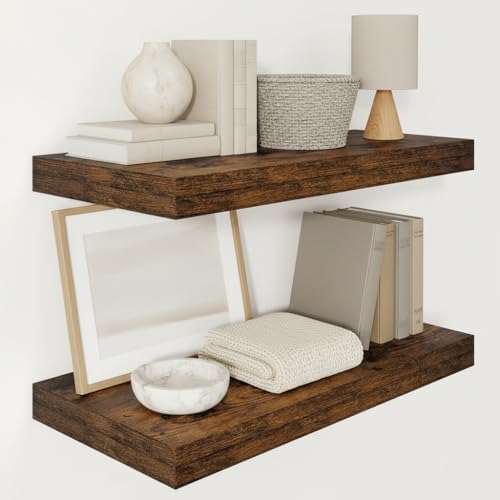
Incorporating suspended pieces creates a unique vibe in any space. Consider placing a console table above a narrow entryway; it adds dimension and stays functional without taking up floor area. For living spaces, try using hovering shelves to display books and art. They can create a gallery-like atmosphere, showcasing your personality.
Dining Area Enhancements
A staggering technique is to suspend a dining table using a chain from the ceiling. This approach not only looks modern but also opens up the space beneath for extra seating or decorative elements. Pair with hanging pendant lights for added flair and cohesive style.
Bedroom Retreats
In bedrooms, think about raised beds. Elevating the mattress creates an illusion of more space and allows for stylish storage underneath. Use nightstands that are mounted on the wall to give an airy feel and leave the floor clear for a more expansive look.
Integrating these concepts can dramatically alter the feel of your environment, blending aesthetics and practicality seamlessly. Always keep balance in mind, ensuring the pieces complement each other without overwhelming the space.
Troubleshooting Issues with Floating Items
Check the alignment of your objects. Misalignment is a frequent cause of problems. Use the grid feature to ensure everything is positioned correctly and refine any discrepancies.
Common Errors
If an item snaps back to its original location, inspect for conflicting elements nearby. Sometimes other pieces can interfere with placement. Adjust or temporarily remove nearby items to facilitate smoother placement.
Items that appear detached or floating incorrectly may need re-examination of their base interactions. Intersecting or overlapping with ground or wall elements can cause such glitches. Ensure a clean separation between objects.
Adjusting Techniques
Employing manipulation tools incorrectly might hinder positioning. Double-check the selected tools and make sure to apply the right technique for the intended movement. I often find that taking a step back helps identify the issue faster.
If issues persist, revisiting the setup can help. Sometimes starting over from a specific point and progressing slowly allows for clarity in the manipulation process, revealing unnoticed obstacles.
Lastly, consult community resources or forums for unique insights or workarounds others have discovered. Learning from shared experiences often leads to quicker resolution of stubborn challenges.