
 Caleb Turner
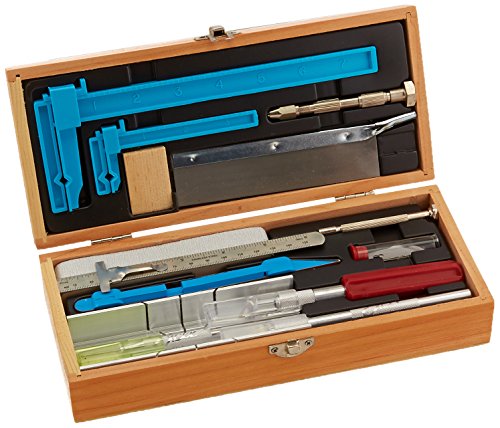
Begin with selecting high-quality timber, ensuring that it’s stable and free from defects. Pine or plywood are excellent choices due to their lightweight and easy-to-work nature. Cut the pieces into desired shapes–shelves, chairs, or tables–using precise measurements to maintain proportions.
Utilize a reliable wood glue for assembly, providing strong bonds while allowing some flexibility during adjustments. Use clamps to hold pieces together as the adhesive sets, guaranteeing a sturdy construction. If you’re aiming for a polished look, sand the surfaces smoothly to eliminate splinters and rough edges, preparing them for finishing.


Bring character to your creations by applying paint or stain. Opt for non-toxic options suitable for indoor use, ensuring safety in handling. Embellish further with fabric upholstery or decorative accents to replicate real-life miniatures closely. Personalize each piece to reflect your style, turning a simple project into a cherished craft.
Creating Miniature Seating Options
I recommend using a 1×6 inch board for crafting chairs and couches. Cut pieces measuring 6 inches for the seat, and 3 inches tall for the backrest. For a comfortable seat, sand the edges to remove sharpness. Assemble using wood glue for a strong bond; clamp until set to maintain shape.
Add stability by creating legs from smaller blocks, typically 1 inch square and 4 inches tall. Attach these with glue, ensuring each is positioned evenly for balance. Allow drying before testing durability.
For cushioning, create soft upholstery using felt or fabric scraps. Cut pieces slightly larger than the seat dimensions. Use a staple gun to secure fabric to the underside, pulling tight for a neat finish. Customize with patterns for extra flair.
To enhance aesthetics, consider painting or staining the surfaces. Choose a non-toxic finish for safety. Applying multiple coats can yield a more vibrant appearance and better protect the wood.
With these steps, I’ve crafted charming seating options that integrate easily into the play environment. The result is not only functional but visually appealing and uniquely personal.
Choosing the Right Type of Wood for Your Project
For building miniature items, selecting the right species is paramount. I often opt for basswood due to its light weight and ease of cutting. It’s perfect for intricate designs, and it sands beautifully. Alternatively, pine offers sturdiness and affordability, making it suitable for larger pieces.
Popular Wood Types
| Wood Type | Characteristics | Best Used For |
|---|---|---|
| Basswood | Lightweight, smooth texture, easy to work with | Detailed carvings, intricate designs |
| Pine | Durable, readily available, budget-friendly | Larger construct elements |
| Birch | Strong, resistant to warping, smooth finish | Quality finishes, sturdy components |
| Mahogany | Beautiful grain, easy to stain, moisture resistant | Elegantly finished pieces |
Considerations for Selection
Weight is crucial; lighter materials facilitate mobility and handling. Keep in mind your tools’ capabilities; softer woods effortlessly cut and shape. Lastly, the finish can alter the aesthetic; harder varieties take stain well, whereas softwoods may require sealing for durability.
Tools Required for Crafting Barbie Furniture
For a successful project, gathering the correct instruments is crucial. Here’s a list of the tools you’ll need:
- Handsaw: Ideal for cutting various types of lumber into precise dimensions.
- Sandpaper: Essential for smoothing rough edges and surfaces. Choose various grits for different finishes.
- Wood Glue: A strong adhesive will ensure that joints hold securely over time.
- Clamps: Useful for holding pieces together while the glue dries, creating a strong bond.
- Measuring Tape: Accurate measurement prevents mistakes and ensures proper fit.
- Pencil: Marking measurements and cuts is easier with a sharp pencil for precision.
Optional Tools
- Drill: If you plan to add screws for extra strength, a power drill is a time-saver.
- Wood Finish: A coat of paint or varnish adds polish and protection against wear.
- Router: For rounded edges and decorative details, this tool enhances the look of the project.
Ensuring you have these tools at hand will streamline the crafting process and lead to satisfying results.
Measuring and Cutting Wood to Size
Accurate measurement is fundamental for creating pieces that fit perfectly and look appealing. I begin with a tape measure or ruler for precise dimensions, ensuring I double-check lengths before making any cuts.
Typically, I find it useful to sketch the design on paper with dimensions annotated. This helps maintain clarity throughout the project. To avoid miscalculation, I measure each piece individually rather than relying solely on the main drawing.
For cutting, a handsaw or jigsaw works well for smaller pieces. I secure the wood on a stable surface using clamps to prevent movement, allowing for clean and straight cuts. A marking gauge can also be handy for consistent width when creating shelf-like components.
| Tool | Purpose |
|---|---|
| Tape Measure | For precise measurements |
| Clamps | To secure wood while cutting |
| Handsaw | Ideal for straightforward cuts |
| Jigsaw | Best for curved cuts |
| Marking Gauge | To maintain consistent dimensions |
Completed measurements should always include slight adjustments for joins or fittings, especially in pieces that will interlock. It’s wise to cut a small amount larger than required first, making final trimming easier and ensuring a snug fit can be achieved without gaps.
Basic Assembly Techniques for Wooden Items
Using dowels for jointing enhances stability. I drill precise holes to align the dowels, ensuring a snug fit. A strong adhesive secures the connection, allowing pieces to cure fully before handling.
Screws are versatile for assembling components. I prefer using pilot holes to prevent wood splitting, enhancing both the strength and aesthetics of the joints. Using countersink screws allows for smooth surfaces.
Coping with Wood Movement
Considering wood expansion due to humidity changes is vital. I incorporate slotted holes when attaching panels to frames. This lets the material move without compromising the integrity of the assembly.
Finishing Touches
To achieve a polished look, I sand all surfaces thoroughly before applying any finish. A consistent grain pattern enhances visual appeal. I often opt for natural oils or water-based finishes, providing protection while maintaining the wood’s natural beauty.
Finishing Techniques: Sanding and Painting Wood
Sanding is a pivotal step for achieving a smooth surface and ensuring paint adheres properly. I typically start with coarse grit sandpaper, such as 80 or 100, to remove rough edges and imperfections. Gradually, I switch to finer grits, like 220, to finish the surface. This progression smoothens the wood effectively and prevents grain raising.
After sanding, I always clean the surface thoroughly to eliminate dust. A vacuum or a damp cloth does the trick, ensuring a pristine area for painting. I recommend using a primer to enhance paint adhesion and longevity. Applying a wood primer also helps in preventing stains from seeping through the paint.
For the actual paint, I prefer water-based acrylics for their quick drying time and ease of use. A foam brush or a small roller gives a smooth application without brush marks. I apply at least two coats, allowing each to dry completely before the next. Light sanding between coats with fine grit sandpaper guarantees a flawless finish.
Finally, I seal the painted surface with a clear topcoat for extra protection against wear and tear. Polyurethane or acrylic sealers work well. Applying the final coat enhances durability while maintaining the vibrant look of the paint.
Creating Custom Designs for Barbie Doll Furniture
For unique creations, sketch ideas on paper before starting. Use measurements of the miniature figures to ensure scale accuracy in your designs. Experiment with diverse shapes and configurations, allowing personal creativity to guide the process.
Sources of Inspiration
- Online platforms like Pinterest or Instagram showcase a myriad of concepts to spark your imagination.
- Visit local furniture stores to observe real-life pieces and adapt them for your craft.
- Children’s storybooks or animated shows might provide whimsical themes to follow.
Design Considerations
- Choose a consistent style, such as modern, vintage, or eclectic, to tie your designs together.
- Incorporate functional aspects, like storage, where applicable, to enhance playability.
- Ensure that every piece can be easily assembled and disassembled if needed.
After settling on a design, create a template using cardboard to prototype the shape and dimensions. This step is vital to identify any necessary adjustments. Once satisfied, transfer the finalized template onto your chosen material for cutting and crafting.
Adding Functional Elements: Drawers and Doors
To incorporate drawers and doors into miniature structures, precise measurements are crucial. I recommend starting by sketching the layout for each piece. Ensure the dimensions fit the overall design while allowing seamless operation.
For a simple drawer, cut a rectangular piece for the front, two identical pieces for the sides, and a bottom panel. Use a fine saw for clean edges. The back can either be left off for easy access or added for support.
Incorporate wooden dowels or metal slides to enable easy opening and closing. You can create a groove in the side panels where the drawer slides will reside. Test the fit before final assembly to ensure smooth movement.
For hinged doors, select a lightweight wood that complements the drawer structure. Cut the door panel slightly smaller than the opening to prevent sticking. Use small hinges attached to the side of the frame for easy access. Ensure the door swings open freely without obstruction.
Create a handle by using a small knob or a thin strip of wood shaped for grip. Attach it securely to the door or drawer front for a polished look.
Finishing touches include sanding edges and applying paint or varnish to enhance durability and appearance. This step not only protects the surfaces but also ties the whole piece together visually.
Experimenting with different materials and configurations can lead to unique designs, so don’t hesitate to adjust your approach as needed. A functional element not only enhances playability but also adds an authentic touch to the overall miniature setup.
Decorating Wooden Furniture with Fabric and Accessories
Choose complementary fabric to enhance the visual appeal of the wooden pieces. Select materials that are durable and easy to clean. Cotton and polyester blends work well. Consider patterns that fit the overall aesthetic, like floral or geometric designs.
Applying Fabric to Surfaces
- Measure the area accurately before cutting the fabric to size.
- Use fabric glue or a staple gun for securing fabric on surfaces.
- Fold edges under for a clean finish, preventing fraying.
Adding accessories elevates the overall design. Find miniature items like cushions, rugs, or curtains that match the style of the wood. These details make the space feel authentic and inviting.
Incorporating Functional Decor
- Utilize small storage solutions like boxes or bins to keep the area organized.
- Consider adding potted plants or books for a homey effect.
- Hang miniature artwork or mirrors to create depth and interest.
The combination of fabric treatments and decorative pieces can transform simple creations into detailed, personalized setups. Each choice contributes to the character and charm of the setting.
Safety Tips for DIY Wood Projects with Children
Always supervise little ones closely during any crafting session that involves tools and materials. This hands-on involvement is crucial for safety and encourages learning.
Use Appropriate Personal Protective Equipment (PPE)
Equip yourself and your young helpers with safety goggles, dust masks, and, if necessary, ear protection. This minimizes the risks associated with sawdust and noise from power tools.
Child-Friendly Tools
Opt for tools specially designed for children. Lightweight hand tools, like small saws and screwdrivers, are ideal. Avoid power tools unless you are confident in your teaching ability and have established strict safety protocols.
Establish a designated workspace free from distractions. This helps maintain focus and reduces potential hazards. Ensure that sharp objects are kept in a safe area, away from reach when not in use.
Before starting any project, outline the steps involved clearly. This allows children to understand what to expect and prepares them for each task, promoting safety through knowledge.


