Caleb Turner

To preserve the beauty of your hardwood seating, begin with a thorough cleaning. I use a soft brush and a mixture of mild soap with warm water. Gently scrub the surfaces to remove dirt and debris, then rinse with clean water.
Next, I recommend applying a protective oil specifically designed for hardwood. This treatment not only enhances the natural color but also helps prevent moisture damage. Make sure to follow the product instructions for optimal results.
Regular inspections are key to longevity. I check for any signs of wear or damage, such as cracks or loose joints. If I spot any issues, I address them quickly to avoid further deterioration.
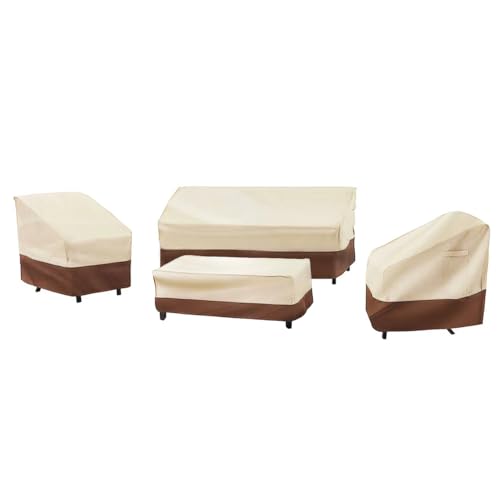
Storing my pieces safely is crucial during harsh weather. When winter arrives, I cover the items or store them in a sheltered location to protect them from snow and ice.


By following these straightforward steps, I ensure that my outdoor wooden pieces remain in excellent condition, enhancing the charm of my outdoor oasis.
Maintenance of Teak Outdoor Items
Regular cleaning is crucial. I recommend using a mild soap solution and a soft brush to remove dirt. Rinse thoroughly with water to prevent soap residue.
For mildew or stains, a mixture of water and vinegar can effectively treat the affected areas. Apply it gently, then rinse to restore the wood’s natural color.
Sun exposure may cause fading. I opt for a quality teak oil or sealer specifically designed for outdoor applications. This also helps retain moisture and prevents cracking.
During the off-season, I store these pieces in a dry, sheltered area. If that’s not possible, I cover them with breathable fabric to prevent moisture buildup.
Inspect regularly for signs of wear. Tightening screws and replacing hardware ensures overall stability. Sand any rough spots lightly to maintain a smooth finish.
Avoid placing hot items directly on the surface, as this can lead to discoloration. Using coasters or mats is my go-to solution.
Finally, consider using cushions and throws to enhance comfort while protecting the wood from scratches and wear. Regular attention to these details keeps everything looking sharp and prolongs durability.
Understanding Wood Properties
Choosing this kind of timber for exterior pieces guarantees durability due to its natural oils, which provide resistance to moisture and decay. These oils also contribute to its ability to withstand various weather conditions without extensive maintenance.
It’s noteworthy that this material typically features a high density, resulting in a robust structure that can withstand impact and wear over the years. When you tap on it, you can notice a firm sound, reflecting its strength and integrity. For anyone concerned about longevity, this wood ages gracefully, developing a distinguished silver hue which adds to its aesthetic appeal.
Understanding the grain pattern is crucial; tight, straight grains often indicate higher quality. This type often showcases a rich golden-brown color, appealing to those who appreciate natural beauty. Knowing these features helps in selecting premium pieces.
Regarding pests, thanks to its natural oils, this material is less susceptible to common infestations, making it a favorable choice for outdoor settings. However, annual checks can prevent any unforeseen issues.
| Property | Description |
|---|---|
| Durability | Natural oils protect against decay and moisture. |
| Density | High density ensures strength and longevity. |
| Grain Pattern | Tight, straight grains indicate superior quality. |
| Aesthetic Appeal | Rich golden-brown color that matures to silver. |
| Pest Resistance | Natural oils deter common insects and pests. |
Choosing the Right Location for Your Furniture
Positioning your outdoor pieces effectively maximizes their longevity and comfort. Opt for a shaded area that protects against harsh sunlight to prevent fading and overheating.
Ground surfaces should be even and stable, avoiding gravel or uneven soil to prevent wobbling. A solid surface reduces wear and tear, prolonging use.
Consider proximity to trees; while they provide natural shade, falling leaves can lead to staining. Regularly check for debris accumulation that can cause moisture retention.
Wind exposure alters the durability of outdoor settings. Place items in sheltered spots to minimize damage prone to strong gusts, ensuring they remain intact.
Evaluate accessibility for cleaning and maintenance. Access to water sources can ease upkeep, while a clear path allows for effortless movement when arranging or storing items.
| Location Factor | Recommendation |
|---|---|
| Sunlight Exposure | Choose shaded areas to minimize fading |
| Surface Type | Ensure even and stable ground |
| Proximity to Trees | Mind falling debris that can cause staining |
| Wind Protection | Opt for sheltered spots against strong gusts |
| Accessibility | Maintain easy access for cleaning and movement |
By assessing these factors thoughtfully, I ensure the durability and aesthetic appeal of my outdoor pieces remain intact for years to come.
Cleaning Methods for Teak Furniture
For optimal maintenance of wood outdoors, begin with a gentle cleaning solution composed of warm water and mild soap. A non-abrasive sponge or cloth works best for scrubbing surfaces.
Routine Cleaning
- Mix warm water with a few drops of biodegradable soap.
- Use a soft sponge to wipe down surfaces, removing dirt and debris.
- Rinse thoroughly with clean water to eliminate any soap residue.
- Dry with a clean, soft cloth to prevent water spots.
Deeper Cleaning Techniques
For tougher stains or grime accumulation, employ the following method:
- Combine equal parts white vinegar and water in a spray bottle.
- Spray the solution onto the affected area and leave it for a few minutes.
- Gently scrub with a soft brush to lift stains.
- Rinse with clear water and dry immediately.
For heavy mold or mildew, a mixture of bleach and water can be utilized, but always follow manufacturer guidelines to ensure safety and preservation of the material.
Applying Teak Oil: When and How
Apply oil every six to twelve months, depending on exposure to sunlight and weather. For those situated in sunny or harsh climates, more frequent applications ensure maximum protection.
Preparation Steps
- Ensure the surface is clean and dry before application.
- Use a soft cloth or sponge for an even distribution of the product.
Application Process
- Pour a small amount of oil onto the cloth or sponge.
- Rub the oil into the wood following the grain. This promotes better absorption.
- Allow the oil to penetrate for about 10-15 minutes.
- Wipe away any excess oil with a clean, dry cloth to avoid a sticky finish.
Monitoring the appearance helps determine when reapplication is necessary. If the surface appears dull or dry, it’s time to apply more oil.
Preventing Sun Damage to Your Outdoor Seating
To mitigate the effects of UV radiation, consider placing your outdoor seating under a shaded area like a pergola or umbrella. This significantly reduces direct sunlight exposure, prolonging the life of the material.
Using Protective Covers
Investing in high-quality, breathable protective covers can shield your seating from harmful UV rays when not in use. Ensure the covers fit well to prevent moisture buildup, which can lead to mold.
Regular Maintenance
Routine application of a UV-protective finish or sealant helps guard against sun damage. I recommend reapplying every season, focusing on high-exposure areas, ensuring all surfaces are covered for uniform protection.
Consider periodic rotation of your pieces if they receive uneven sunlight. This practice allows each side to weather the elements more evenly, minimizing discoloration and wear.
Finally, stay vigilant for signs of fading or sun damage and address them promptly. Early intervention can help maintain your seating’s appearance and integrity.
Dealing with Water Stains on Teak
To eliminate water stains from this exquisite hardwood, I recommend using a simple solution of equal parts vinegar and olive oil. Apply it to a soft cloth and rub it gently over the affected areas. This method not only cleans but also nourishes the surface, restoring its original charm.
If the stains persist, a mild sanding with fine-grit sandpaper can be effective. I suggest lightly sanding in the direction of the grain for best results. After sanding, wipe the area clean and apply a suitable oil to protect and enhance the color.
Another alternative is utilizing a specialized teak cleaner, which is formulated specifically for this type of wood. Follow the manufacturer’s instructions for application, ensuring even coverage to avoid further damage.
Quickly addressing water stains is crucial to prevent long-term damage. After cleaning, a protective sealant can help shield the surface in the future, keeping it looking pristine against moisture exposure.
Repairing Scratches and Dents in Teak Wood
For minor scratches, I recommend using fine-grit sandpaper. Lightly sand the affected area in the direction of the grain until the surface feels smooth. After sanding, apply a matching wood oil to the area to restore its luster.
Handling Deeper Dents
For deeper dents, dampen a cloth with water, place it over the dent, and use a hot iron for a few seconds. The steam generated can help the wood fibers swell back into place. Once the dent is level with the surrounding area, gently sand it and apply wood oil.
Wood Filler Method
In cases where damage is extensive, I use a wood filler that matches the color of the timber. Fill the scratch or dent, smooth it out, and allow it to dry completely. After drying, lightly sand the surface before applying oil to blend it with the surrounding wood.
Storing Teak Pieces During Winter
Secure your wooden items in a dry, sheltered space during the cold months. If indoor storage isn’t feasible, consider using a protective cover designed specifically for outdoor usage, ensuring it is breathable to prevent moisture buildup.
Before placing these items into storage, clean them thoroughly using a gentle detergent and water, then allow them to dry completely to avoid trapping any dampness.
Using felt pads under the legs can prevent scratches, especially if arranging them on a hard floor. Regularly check on the condition of the covers or the environment to address any moisture or mildew issues promptly.
For pieces left outside, elevate them off the ground using blocks or platforms to prevent direct contact with cold surfaces, which can cause warping. If they are placed in a shed or garage, ensure adequate ventilation.
Applying a light layer of protective oil before winter ensures that the wood retains its moisture balance, further contributing to its longevity. Regularly inspect for any damage or wear during the storage period and make necessary repairs immediately.
Identifying Signs of Wear and When to Act
Check for surface cracks or noticeable splits in the wood. These indicate drying and loss of moisture, requiring immediate attention to prevent further damage.
Look for color changes; a dull, gray hue may suggest fading from UV exposure. Restoration oil can revive the natural finish and protect against future sun damage.
Assess the hardware for rust or corrosion. If you find these imperfections, consider replacing the fasteners to maintain structural integrity.
Inspect joints for looseness; tighten or repair them as necessary to avoid collapse or instability during use.
Monitor for mildew or mold growth, especially in humid regions. Clean with a solution designed for wood surfaces and address any moisture issues promptly.
Evaluate overall stability; if any piece feels wobbly or unstable, examine it closely and make repairs without delay.
Notice any persistent water stains from prolonged exposure. Address these stains with appropriate cleaning agents and ensure proper drying methods to prevent lingering issues.