
 Caleb Turner

I recommend immediately applying a soft cloth dampened with a mixture of equal parts vinegar and olive oil to tackle those annoying blemishes. This combination not only cleans but also nourishes the surface, restoring its natural shine.
If the marks persist, consider using a small amount of toothpaste–be sure it’s non-gel. Gently rub it onto the affected area using a soft cloth, then wipe clean with a damp cloth to reveal a smooth finish beneath.
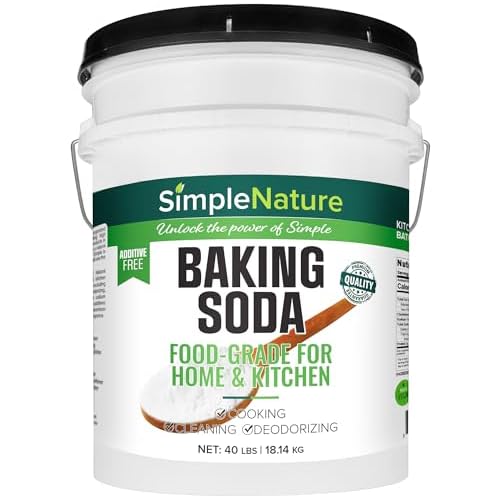
For stubborn cases, a mixture of baking soda and water can create a gentle abrasive paste. Apply it lightly, then rinse thoroughly to avoid any residue. This method is particularly useful for deeper discolorations.
Always test any cleaning method on an inconspicuous area first to ensure no damage occurs. Regular maintenance with appropriate products will keep your surfaces looking fresh and well-maintained.

Identify the Type of Finish on Your Furniture
To determine the finish on your furnishings, use a solvent test. Apply a small amount of denatured alcohol or mineral spirits to a soft cloth, then rub it on an inconspicuous area. If the finish dissolves, it indicates a lacquer or shellac. If nothing happens, it suggests a polyurethane or varnish.
Common Types of Finishes
| Finish Type | Characteristics | Test Method |
|---|---|---|
| Lacquer | Quick-drying, hard, and glossy | Dissolves with alcohol |
| Shellac | Warm tone, less durable | Dissolves with alcohol |
| Polyurethane | Durable, available in matte to high gloss | No reaction with alcohol |
| Varnish | Similar to polyurethane, can have a yellow tint over time | No reaction with alcohol |
Visual Clues
Look for sheen and texture. High-gloss finishes usually indicate a lacquer or varnish, whereas matte surfaces often suggest oil or water-based finishes. Observing the furnishings’ wear and appearance can also provide insights into the finish type.
Gather the necessary materials for cleaning
I recommend collecting the following items before beginning the cleaning process:
- Soft cloths: Use microfiber or cotton cloths to avoid scratching surfaces.
- Oil or vinegar: Choose mineral oil or white vinegar for effective removal of discoloration.
- Baking soda: A gentle abrasive that helps lift blemishes without damaging the finish.
- Mayonnaise: Surprising but effective; the oils can penetrate the finish and aid in stain removal.
- Hairdryer: Use this on a low setting to gently heat up the affected area, facilitating stain removal.
- Water-based polish: A safe product to restore shine after cleaning.
Having these materials on hand will streamline the cleaning process and enhance the chances of success in restoring the beauty of your pieces.
Apply Heat to Remove Water Stains
Applying heat effectively tackles stubborn discolorations on surfaces. I often utilize a household iron or a hairdryer for this method, ensuring I protect the finish while doing so.
Using an Iron
For best results, follow these steps:
- Set the iron on a low heat setting without steam.
- Place a thin cotton cloth over the affected area.
- Gently press the iron onto the cloth for a few seconds at a time.
- Lift the iron and check if the stain diminishes. Repeat as necessary, making sure to avoid overheating.
Using a Hairdryer
This alternative also works wonders:
- Set the hairdryer to a medium heat setting.
- Hold it about 6 inches away from the surface.
- Move the dryer back and forth over the mark for a minute or two.
- Monitor the area closely, checking for improvement.
After using either method, allow the finish to cool before evaluating the results. In cases where the discoloration persists, consider repeating the process or trying another cleaning method for additional assistance.
Use Mayonnaise or Petroleum Jelly as a Cleaning Method
I recommend applying mayonnaise or petroleum jelly directly to the affected area to effectively tackle unsightly marks. Both substances work by penetrating the finish, helping to lift the blemish without causing damage to the surface.
Steps for Using Mayonnaise
Take a small amount of mayonnaise on a soft cloth and gently rub it onto the area in a circular motion. Allow it to sit for approximately 10-15 minutes to let the oils work into the finish. Afterward, wipe off excess mayonnaise with a clean cloth, and buff the surface lightly to restore its shine.
Steps for Using Petroleum Jelly
For petroleum jelly, apply a thin layer over the blemished section using a soft cloth. Let it sit for a few hours, or preferably overnight. This method not only helps in cleaning but also conditions and protects the finish. Once the time has passed, wipe off the jelly with a cloth, and assess the improvement. If necessary, repeat the process for stubborn marks.
Try baking soda and water for stubborn marks
I mix a tablespoon of baking soda with a few drops of water to create a paste. This mixture works effectively to address challenging residues. Gently rub the paste onto the affected area with a soft cloth, ensuring no harsh scrubbing occurs to avoid scratching the surface.
After a couple of minutes, I wipe off the paste with a clean, damp cloth. Following this, I dry the spot using a dry microfiber cloth to prevent any moisture from seeping into the grain. This process usually eliminates persistent marks while maintaining the integrity of the finish.
Repeat if necessary
If the residue remains, I can repeat the paste application. Patience is key, as some markings may require a few attempts for complete removal.
Final touches
Once I’m satisfied with the results, I apply a small amount of furniture polish to restore shine and protection. This enhances the appearance of the surface and ensures it stays in great condition.
Polish and Condition the Surface After Cleaning
After successfully removing blemishes from the surface, it is crucial to restore its luster and protect it. Begin by choosing a high-quality wood polish designed specifically for the finish of your item. Apply the polish using a soft cloth, moving in the direction of the grain. This will help to enhance the sheen and prevent the accumulation of dust and dirt.
Conditioning the Wood
Utilizing a wood conditioner can significantly improve the appearance and longevity of the surface. Select a product that matches the type of finish. Apply the conditioner sparingly and allow it to absorb for the recommended time. Wipe off any excess to avoid a greasy residue, ensuring a smooth and polished look.
Avoiding future damage on wood surfaces
Regularly apply a protective top coat, such as furniture wax or polyurethane, to shield against moisture. This forms a barrier that can prevent unsightly blemishes from occurring.
Utilize coasters and placemats when placing drinks or food items on these surfaces. This simple habit significantly reduces direct exposure to liquids.
Wipe up spills immediately with a soft, damp cloth to prevent absorption. Ensure to dry the area thoroughly afterward.
Control humidity levels in the environment. Use a dehumidifier in damp rooms to maintain an optimal climate for your wood pieces.
Position furniture away from heating vents or direct sunlight, as extreme temperatures can cause the finish to crack or warp.
Consider applying a specialized wood conditioner periodically. This not only nourishes the surface but also enhances its resilience against potential harm.
Perform routine inspections for any signs of deterioration. Early intervention can spare you from significant repairs.


