Caleb Turner

To transport substantial pieces to an upper level, I recommend measuring doorways and staircases beforehand to ensure a smooth ascent. Disassembling larger items can substantially simplify the process. For example, take apart beds and shelves, which allows for a more manageable load and better maneuverability.
Utilizing tools such as dollies can alleviate physical strain. If possible, enlist the help of friends or family; having additional hands can turn a challenging task into a more straightforward one. Consider using moving straps to distribute the weight evenly and provide better grip, making the ascent much more manageable.
Clearing a pathway is another crucial step. I ensure that the route is free from any obstacles or clutter prior to starting, minimizing the risk of accidents. A prepared path not only speeds up the operation but also ensures safety for everyone involved.
Finally, always prioritize safety by using appropriate footwear and lifting techniques. Keeping a steady and balanced posture while carrying items reduces the risk of injury. With careful planning and the right approach, tackling this task can be both efficient and safe.
How to Move Large Items into a Loft
Ensure the path to the upper space is clear. Check for obstructions like furniture or clutter that may hinder movement.

Disassemble When Possible
If the piece can be taken apart, do so. Remove legs, shelves, or other detachable parts to reduce weight and simplify transport.
Use Proper Equipment
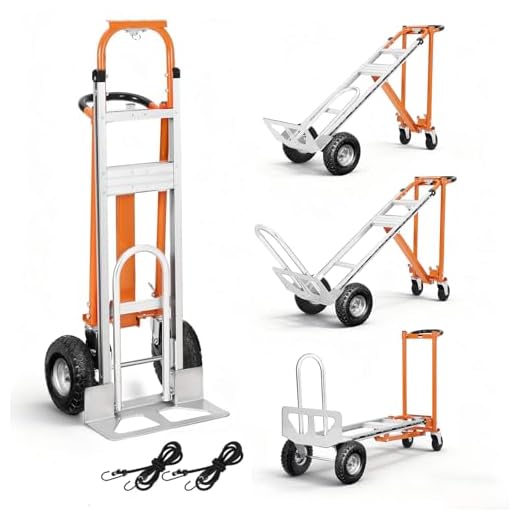
Invest in tools designed for lifting and maneuvering, such as dollies, furniture straps, or ramps. These can significantly ease the process and prevent injury.
Plan your approach before lifting. Measures such as height, width, and the angles necessary for entry can save a lot of hassle. If working with others, establish a clear communication system to coordinate movements effectively.
When reaching the destination, protect floors with blankets or pads to prevent scratches. Position the item carefully to ensure stability and avoid potential damage.
Final Tip: Have a backup plan. If a particular method isn’t working, stay flexible and explore alternative routes or techniques.
Assessing Weight and Dimensions of Items
Gather accurate measurements of each piece. Use a measuring tape to determine the length, width, and height, ensuring you account for any protrusions such as handles or knobs.
Next, assess the weight. If available, refer to manufacturer specifications or weigh items using a scale. For bulky objects, consider enlisting help from additional people for assistance.
Additionally, visualize the path to the destination. Identify tight corners, doorways, and stairs, and measure those openings to confirm every item can pass without obstruction.
Document all dimensions and weights, creating a quick reference guide. This will streamline the process and offer clarity on what adjustments might be needed during transition. If certain pieces are excessively large or heavy, evaluate whether disassembly is necessary.
Also, consider protective covers or padding. Ensuring items are shielded can prevent damage to both the items and the building structure while being transported.
Choosing the Right Equipment for the Move
Prioritize obtaining a high-quality hand truck. This tool allows me to transport boxes and smaller items effortlessly. Ensure it has a strong frame and suitable weight capacity. A four-wheeled dolly may also be beneficial for larger pieces, providing better stability and ease of turning.
Straps are indispensable. Consider using ratchet straps or lifting straps to secure and hoist items safely. These minimize the risk of injury and damage to walls during the relocation process.
Furniture sliders are invaluable for gliding heavier pieces across floors, reducing friction and floor damage. They come in various shapes and sizes, so I select the ones appropriate for each item’s weight and surface type.
Gloves enhance grip and protect my hands when handling bulky objects. Opt for padded options that prevent blisters and provide additional cushioning during transport.
A stair climbing dolly can be a game-changer if a staircase is involved. Its specialized wheels allow for easy navigation of stairs, making it safer and less labor-intensive.
Finally, obtaining a protective covering–like blankets or bubble wrap–is essential. It ensures that items remain free of scratches and dents during transit, preserving their original condition throughout the process.
Preparing the Loft Space for Furniture Entry
Clear the pathway by removing any obstacles. This includes rugs, decorative items, or furniture that may hinder the passage. Ensure that the entrance and corridors are unobstructed to create a seamless flow.
Measure doorways, staircases, and any tight corners. Confirm that the dimensions accommodate the pieces being transported. Use a measuring tape and take note of any dimensions that could restrict movement.
Consider the layout of the area where the pieces will be placed. Visualize the arrangement to avoid unnecessary backtracking or shifting post-arrival. Sketch a simple floor plan if necessary.
Protect the flooring by placing moving blankets or cardboard along the path to minimize scratches and dents. Be mindful of corners and edges, as these spots are vulnerable to damage.
Test the weight limits of stairs or platforms before proceeding with the transition. Consult with any professionals, if needed, to ensure structural integrity is not compromised during the process.
Maintain communication among team members. Establish clear instructions and signals to coordinate movements efficiently, ensuring safety and harmony during the transport.
| Task | Details |
|---|---|
| Clear Path | Remove rugs, decor, and furniture; ensure a clear route. |
| Measure | Check dimensions of doorways, stairways, and furniture. |
| Plan Layout | Decide on the arrangement in advance; sketch if necessary. |
| Floor Protection | Use blankets or cardboard on floors for protection. |
| Check Limits | Assess weight limits of stairs and platforms; seek professional advice if unsure. |
| Team Communication | Establish signals and clear communication for safety. |
Utilizing Doorways and Staircases Safely
Prioritizing safety during the transfer of sizable items through entrances and staircases is paramount. Here are specific recommendations for seamless navigation:
Assessing Entry Points
- Measure doorway width and height, ensuring your load will pass through without obstruction.
- Check for any protruding fixtures, such as door knobs or light switches, that may hinder movement.
- Consider angles and corners; plan the path in advance to avoid last-minute adjustments.
Safeguarding Surroundings
- Lay down protective coverings to shield walls and floors from potential damage.
- Remove any fragile decor or obstacles from the pathway to ensure clear access.
- Use padding on the item to avoid scratches or dents during the transition.
Utilizing a team is advisable. Communication is key; assign roles such as navigator or steady supporter while shifting the load. This reduces the risk of mishaps. Maintain a firm grip at all times, employing proper lifting techniques to minimize strain and enhance control.
In situations involving staircases, ensure the person at the back has a clear view of the steps, while the individual at the front guides the piece down or up with steady movements. With these strategies, the transit of considerable objects can be accomplished with both efficiency and safety.
Implementing Proper Lifting Techniques
Create a solid stance by positioning your feet shoulder-width apart for stability. Bend your knees while keeping your back straight; this minimizes strain on your spine. Grasp the item firmly, ensuring your hands are dry and free from distractions.
Using Your Legs for Power
As you begin to lift, engage your leg muscles rather than relying solely on your back. Straighten your legs slowly while maintaining the item close to your body. This creates a more efficient lifting motion, reducing the risk of injury.
Avoiding Twisting Movements
While carrying the load, keep your torso aligned with your hips. Avoid twisting at the waist; instead, pivot your feet to change direction. This technique helps in maintaining balance and protects your back from unnecessary strain.
Protecting Walls and Floors During the Move
To safeguard your walls and floors during the relocation process, start by using protective materials. Move with care; securing surfaces can prevent costly damage.
Wall Protection Strategies
- Apply corner guards on walls to absorb impacts from bulky items.
- Use painter’s tape or sticky notes to mark fragile areas, reminding everyone to be cautious.
- Cover walls with moving blankets or large sheets of cardboard at key points.
Floor Protection Tips
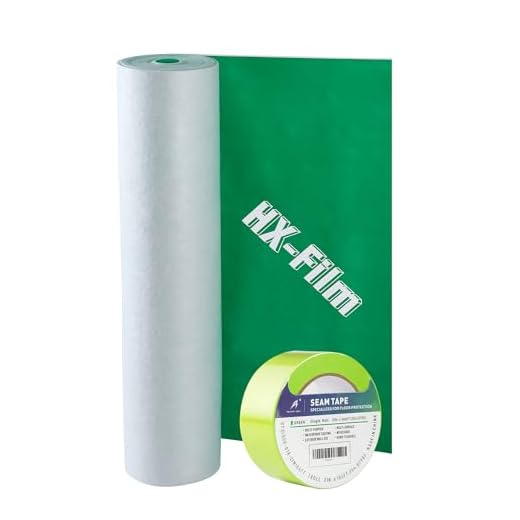
- Lay down a thick tarp or carpet rolls to cushion the floor against scratches and dents.
- Use sliders under products to ease movement and reduce friction.
- Position furniture pads below any object being transported; they help avoid scuff marks.
Additionally, ensure that everyone involved is aware of the protective measures taken. Clear communication aids in maintaining vigilance during the entire process.
Planning the Optimal Arrangement in the Loft
Prioritize the layout by visualizing how each piece will fit within the available space. A sketch can be invaluable; draft a simple floor plan to gauge dimensions against the configuration of the room. Focus on creating functional zones–like entertainment, relaxation, and workspace–while maintaining a sense of flow throughout the area.
Consider Traffic Patterns
Maintain clear pathways by avoiding clutter. Aim for at least 24 inches of walking space between key areas. Furniture should be positioned to encourage movement, not impede it. It’s crucial to ensure that high-traffic zones are unobstructed for safety and convenience.
Balance and Scale
Distribute the weight of larger items across the room to prevent any one area from feeling cramped or unbalanced. Pair lighter decor elements to complement bulky pieces. Pay attention to the visuals; tall items can draw the eye upward, which is especially useful in lofts with high ceilings, creating an illusion of more space.
Hiring Professional Movers vs. DIY Strategies
Opting for professionals can save significant time and ensure safety when transporting large items. Trained teams possess the expertise to navigate tight spaces and handle bulky goods efficiently. They also come equipped with appropriate tools and protective gear.
Pros of Hiring Professionals
1. Experience: Movers have dealt with various challenges, enhancing their ability to tackle unexpected issues.
2. Insurance: Many services provide coverage against potential damage, offering peace of mind.
3. Speed: A team can accomplish tasks much quicker than individuals. Coordination among crew members leads to swifter transitions.
Benefits of DIY Approaches
Choosing to manage the task personally can be rewarding. It allows for complete control over logistics and timing. Access to friends or family can enhance safety and promote teamwork.
Cost is another factor; handling tasks independently often requires just renting equipment. However, I need to consider the risk of injury or damage without adequate knowledge and preparation.
FAQ:
What are the best techniques for moving heavy furniture into a loft?
When moving heavy furniture into a loft, it’s essential to plan and prepare first. Begin by measuring both the furniture and the spaces involved—doorways, staircases, and the loft area itself. Use furniture sliders to reduce friction, allowing easier movement. Dismantling larger items can help you navigate tight spaces more effectively. If possible, gather a group of helpers for additional strength and safety. Using a dolly or hand truck can also make transporting items safer and more manageable.
What types of equipment do I need for the process of moving heavy furniture to a loft?
You will require several types of equipment to facilitate the move. Essential tools include a furniture dolly or hand truck, which helps with lifting and transporting heavy items. Furniture sliders are helpful to place under furniture legs for easier sliding. Straps or moving belts can assist in securing and lifting heavy pieces. Additionally, a toolset may be necessary for disassembling furniture, along with blankets or moving pads to protect surfaces during transport. Lastly, packing tape and boxes may be helpful for securing smaller items.
Are there any safety tips I should follow while moving heavy furniture?
Safety is a key aspect of moving heavy furniture. Always lift with your legs, not your back, to avoid injury. Ensure you have a clear path, free from obstacles, to prevent tripping. Wear appropriate footwear to provide support and grip. Use gloves to get a better grip and protect your hands. If you’re unsure about lifting something, do not hesitate to ask for assistance. It’s often safer to take your time moving items than to rush and risk injury or damage to your belongings.
What challenges might arise while moving furniture to a loft and how can I overcome them?
Moving furniture into a loft can present several challenges, such as tight staircases, narrow hallways, or limited space. One common issue is maneuvering large items through confined spaces. To address this, consider disassembling larger pieces or using flexible furniture that can be adapted. If the loft has high ceilings, utilizing special equipment like hoisting systems or pulleys may be beneficial for heavier items. In case of particularly troublesome furniture, renting a professional service might also save time and effort in overcoming these obstacles.