
 Caleb Turner
Choose lighter shades for your walls and ceilings. Soft whites or pastel hues create a refreshing contrast that enhances the overall atmosphere. These colors reflect light, making any area feel more expansive and airy.
Incorporate textiles that add brightness. Opt for light-toned cushions, throws, and rugs to create a cozy contrast. Layering different textures can provide depth while keeping the overall feel inviting. Adding these elements elevates the aesthetic appeal and reduces the heaviness of the surrounding pieces.


Strategic lighting can significantly impact perception. Use multiple sources, such as floor lamps, table lamps, or wall sconces, to distribute light evenly. Opt for warm white bulbs to create a welcoming ambiance. Mirrors are another clever addition; placing them opposite windows or light sources can amplify illumination and give the illusion of space.
Accessorizing plays a crucial role in brightening the environment. Incorporate artwork and decorative items that feature lighter colors or vivid designs. Plants and greenery add life and color while providing a refreshing contrast to the darker elements. Choose lightweight decor elements that contribute to a cheerful atmosphere.
Choose a Lighter Color Palette for Walls
I recommend opting for soft, airy hues such as pastel shades or light neutrals. Colors like soft beige, pale gray, or light blues instantly brighten up any space. These tones are not only calming but also create an illusion of more space, enhancing the atmosphere.
Consider using a satin or eggshell finish to reflect light more effectively. Matte finishes can absorb light, leading to a cozier, darker vibe. A subtle gloss can make walls appear more lively and create a dynamic interplay with lighting.
Accent walls are an excellent approach. Choose a slightly bolder shade that complements your main wall color. For instance, a light sage green paired with crisp white can add depth without overpowering the area.
In addition, utilizing wallpaper with light patterns, such as delicate stripes or subtle florals, can add texture while maintaining a breezy feel. This would enhance the visual interest without clashing with the rest of the design.
Always test samples on your walls to see how they interact with natural and artificial light throughout the day. This ensures that the colors align with your vision and create the desired ambiance.
Incorporate Bright or Light-Colored Textiles
To refresh the ambiance in your space, I suggest using bright or light-hued textiles. Soft furnishings like cushions, throws, and curtains play a significant role in creating contrast against heavier pieces. Choose fabrics in pastel shades or crisp whites that resonate with light, instantly elevating the aesthetic.
Select Contrasting Accents
Accent items such as decorative pillows can dramatically influence the overall vibe. Opt for patterns or textures in lighter shades to draw attention and provide a striking counterpoint to your darker elements.
Layering Textiles for Depth
Layering is key. Combine various textiles such as cotton, linen, or light wool in different shades for a rich, inviting atmosphere. A light area rug can also ground the space while adding warmth and softness underfoot.
Add Mirrors to Create Depth and Reflect Light
Incorporating mirrors can significantly enhance the ambiance of any space filled with heavier furnishings. I recommend placing a large mirror opposite a window or light source; this will amplify natural light and create a sense of openness. Additionally, smaller mirrors can be grouped as an artistic feature, offering not only functionality but also style.
Consider the frame of each mirror. A lighter or metallic frame can help maintain a fresh vibe, contrasting beautifully with darker pieces. For maximum effect, choose mirrored furniture elements, such as a coffee table or side tables, to complement and echo the reflections.
Pay attention to the arrangement. Positioning mirrors at various heights can introduce visual interest and depth. Their reflective qualities will bounce light around the space, making the atmosphere more inviting and bright.
Utilize Strategic Lighting to Enhance Ambiance
Incorporating various light sources elevates the atmosphere significantly. Here are actionable tips to achieve this:
Layered Lighting
Employ a combination of ambient, task, and accent lighting. Use ceiling fixtures for general illumination, floor lamps for reading, and wall sconces to highlight artwork or architectural features.
Choose the Right Bulbs
Select bulbs that emit warm tones. LED bulbs that mimic daylight or soft white options enhance coziness while ensuring the space feels open and inviting.
- Consider dimmable options to adjust brightness based on time of day and activity.
- Use smart bulbs for customizable colors and intensities, allowing for changes in mood effortlessly.
Incorporating table lamps on side tables or consoles not only serves practical needs but also introduces soft lighting that counters starkness from darker pieces.
Highlight Architectural Features
Direct light toward interesting architectural elements such as beams, cornices, or textured walls to create depth and intrigue. This draws attention away from heavier furniture while creating a dynamic visual interplay.
- Install track lighting to spotlight these features for added drama.
- Employ backlighting for plants or shelves, imparting a gentle glow that enhances overall brightness.
Strategically layering various light sources and emphasizing key elements can truly transform the character and feel of a space dominated by heavier pieces. Experimenting with placement and brightness can lead to a fresh and airy environment.
Incorporate Light Wood or Metal Accents
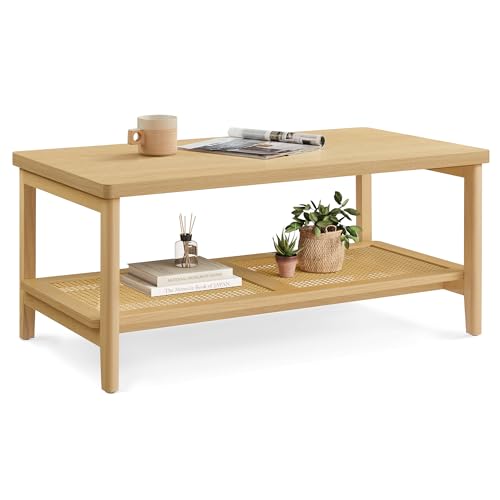
I always opt for light wood or metal elements to elevate the aesthetics of spaces dominated by darker pieces. Adding a durable light wood coffee table or side tables made of birch or maple instantly brightens the environment, creating a contrast that captivates. These materials not only enhance the visual appeal but also complement the rich tones of deep-colored upholstery.
Integrating metal accents like brushed nickel or light gold in fixtures or decorative objects brings a fresh perspective. A metal floor lamp with a light finish can serve both as a source of illumination and as an eye-catching design element. I recommend choosing accessories that reflect light, such as metallic vases or candle holders, as they draw attention and help to create a sense of airiness.
In addition, furniture pieces like accent chairs or shelving units crafted from lighter materials work wonders in breaking the heaviness of darker surroundings. I find that incorporating these elements enriches texture and dimension, ensuring the space feels inviting rather than overwhelming. Overall, combining light wood or metal accents can transform the atmosphere, creating a balanced and harmonious look.
Introduce Greenery with Bright Indoor Plants
Integrating lush indoor plants is one of the most straightforward methods to enhance brightness and vitality in a space characterized by heavy elements. Choose plants with vibrant foliage or colorful blooms to create an invigorating contrast against the darker pieces.
Select the Right Plants
Consider these options:
- Peace Lily: Offers stunning white flowers and thrives in low light.
- Snake Plant: Known for its tall, upright leaves and resilience.
- Pothos: This trailing plant brings an effortless, lush feel.
- Boston Fern: Adds a delicate, feathery texture that softens sharp edges.
To maximize the visual impact, arrange plants at varying heights to create layers and depth.
Placement Tips
Strategically position greenery:
- Place taller plants in corners or behind seating to draw the eye upward.
- Use hanging planters near windows for visual interest and to save floor space.
- Utilize plant stands to give smaller plants a distinct presence on shelves or side tables.
Regularly maintain plants by ensuring they receive adequate light and water to keep them looking vibrant.
Consider Artwork in Lighter Shades
Opt for art pieces that feature lighter tones to create contrast against the darker elements in the space. Select paintings or prints that showcase soft pastels, whites, or bright colors. This creates a visual break and draws the eye to the artwork instead of the heaviness of the furnishings.
Consider incorporating different types of art, such as abstract pieces or photography with airy landscapes, to evoke a sense of openness. Frames should also be taken into account–choose light woods or metallic tones that complement the lighter hues in the artwork.
A gallery wall arrangement can add character and interest while surrounding the darker items. Mix sizes and styles, but maintain the lighter color theme to unify the look. This technique can transform a space by enhancing its overall brightness.
| Art Type | Suggested Color Palette |
|---|---|
| Acrylic Paintings | Pale Blue, Soft Pink, Cream |
| Canvas Prints | White Background, Light Green Accents |
| Photography | Bright Historical Scenes, Open Skies |
| Watercolor Art | Pastel Shades, Light Washes |
Consider rotating the artwork seasonally to keep the ambiance fresh and invigorating. This practice not only maintains interest but also allows you to experiment with seasonal themes and palettes that enhance the overall atmosphere.
Rearrange Furniture for Better Flow and Space
To enhance the atmosphere, I focus on optimizing the arrangement of my seating and tables. Placing sofas and chairs away from walls creates a cozier and more inviting environment. I find that angling a sofa can break up the rigidity and promote conversation, encouraging a more relaxed vibe.
Ensuring ample pathways is essential; I maintain at least two feet of space between pieces to allow for easy movement. I often use a central coffee table to anchor the area, which contributes to the aesthetic and function, and keeps everything connected.
Utilize Zones
Dividing the area into zones aids in maximizing functionality. I designate spaces for lounging, reading, or entertainment by grouping related items together. A reading nook with a chair and lamp in one corner can balance the layout while adding interest.
Consider Scale and Proportions
The size of each item influences the overall feel. I prioritize larger pieces to anchor the setup and use smaller accents to complement. Mixing different heights through varying furniture sizes brings dimension, enriching visual appeal while preventing the space from feeling cramped.


