
 Caleb Turner

If you want to achieve a lighter shade for your natural wood items, using a mixture of hydrogen peroxide and water can be quite effective. Combine equal parts of both in a spray bottle and apply it evenly across the surface. Allow it to sit for about an hour before wiping it clean with a soft cloth.
Another approach involves using a solution of baking soda and water, which acts as a gentle abrasive and a natural brightener. Create a paste, apply it to the surface, and scrub lightly with a microfiber cloth or sponge. Afterward, rinse with clean water and dry thoroughly.
For additional brightness, consider using citrus juice–particularly lemon. Its acidic properties help lift color without harsh chemicals. Mix lemon juice with a bit of olive oil and apply it with a soft cloth, buffing gently until the surface appears refreshed and lighter.
Lightening Techniques for Wooden Decor
I recommend using a mixture of baking soda and water to remove dark stains from the surface of your items. Combine one part baking soda with two parts water to create a paste. Apply it gently with a soft cloth, let it sit for about 10–15 minutes, then wipe away with a damp cloth.


Natural Bleaching Solution
Another method involves using hydrogen peroxide as a natural bleaching agent. Dampen a cloth with hydrogen peroxide and wipe the surface. Allow it to air dry for a couple of hours. This can gradually lighten the color without damaging the structure.
Sand and Refinish
For a more involved approach, sanding can effectively refresh the appearance. Use fine-grit sandpaper to carefully reduce the finish from the surface. Once completed, apply a lighter, clear varnish to enhance the natural coloring.
- Wear protective gear while sanding.
- Test on a small, inconspicuous area first.
- Finish with a protective sealant for lasting results.
Always perform a spot test to ensure the chosen method does not adversely affect the finish.
Choosing the Right Lightening Method for Bamboo
Opt for ozone treatments or hydrogen peroxide diluted in water for a gentle whitening effect. These methods minimize surface damage while achieving a lighter shade. Ozone gas reacts with the natural pigments, effectively whitening the material without harsh chemicals.
Comparison of Methods
| Method | Pros | Cons |
|---|---|---|
| Ozone Treatment | Non-toxic, gentle on fibers | Long exposure time |
| Hydrogen Peroxide | Quick results, accessible | Can weaken structure if overused |
| Sanding | Deep discoloration removal | May alter texture, require refinishing |
Preparation Tips
Before starting, clean the surface thoroughly to remove dust and grease. Use fine-grit sandpaper lightly if necessary to promote better absorption of any lightening agents. Always conduct a spot test to assess the final appearance, ensuring desired results without compromising the structural integrity of your items.
Preparing Bamboo Items for the Lightening Process
I ensure the surface is clean and free from dust and grime. A damp cloth works wonders for this, as it lifts any residues that may interfere with subsequent treatments. After wiping down the item, I let it fully air dry before proceeding.
Inspecting for Damage
Next, I examine the pieces for any cracks, splits, or other damage. If I find any imperfections, I address them by using wood filler or glue specific for bamboo. Ensuring structural integrity is key before starting the transformation process.
Test Patch Application
Before applying any lightening treatment to the entire surface, I test a small, inconspicuous area. This helps me evaluate the results and adjust my approach if necessary. I take my time with this step to avoid unexpected outcomes. After testing, I wait for the area to dry completely to see the final effect.
Using Natural Bleaching Agents on Bamboo
For a gentle yet effective approach, I opt for natural agents such as lemon juice and baking soda. Mixing fresh lemon juice with water creates a solution that not only brightens but also adds a fresh scent. I apply this mixture with a soft cloth, ensuring an even coating on the surface.
Baking soda serves as an excellent abrasive, especially when combined with water to form a paste. I rub the paste onto stained or darkened spots and allow it to sit for about 30 minutes before rinsing it off. The mild abrasive effect helps lift discoloration without damaging the surface.
Hydrogen peroxide is another powerful yet natural option. I dilute it with equal parts of water and apply it using a spray bottle. Once applied, I let it sit under sunlight for enhanced effects. It’s essential to monitor the process to achieve the desired brightness without overexposing the material.
Vinegar also acts as a natural whitener. I mix equal parts of vinegar and water in a spray bottle. Spraying this solution on the surfaces and wiping it down not only helps in reducing discoloration but also disinfects the material.
Always test these methods on a small, hidden area first. This ensures I can observe how the material reacts and prevents unwanted damage to prominent sections.
Applying Chemical Lighteners: Safety and Instructions
Always wear protective gear, including gloves and a mask, when handling chemical lighteners. Ensure proper ventilation by working in an open space or using fans to circulate air. Read the product label carefully to understand the recommended usage and safety precautions.
Preparation Steps
Before starting the process, clean the surface thoroughly. Remove any dust, grease, or residue using mild soap and water. Rinse well and allow it to dry completely. It’s essential to check for any existing finishes; if present, light sanding may be necessary to ensure better absorption of the chemical agent.
Application Instructions
Apply the lightener evenly using a brush or roller, working in small sections. Follow the manufacturer’s instructions regarding the application time. Avoid letting the product sit longer than recommended, as it can lead to damage. After the designated time, rinse off the chemical with water thoroughly. Neutralize the product with a mixture of vinegar and water, and dry the piece immediately.
Monitor the color closely during the process. If the desired shade is achieved before the full application time, rinse off promptly. It’s advisable to test the lightening agent on an inconspicuous area first to check for any adverse reactions or unexpected results.
For safe disposal, check local regulations regarding chemical waste. Store any remaining product in a secure location away from children and pets. Always review safety data sheets provided by the chemical manufacturer for additional information on handling and risks.
Finishing Touches: Sealing and Protecting Lightened Bamboo
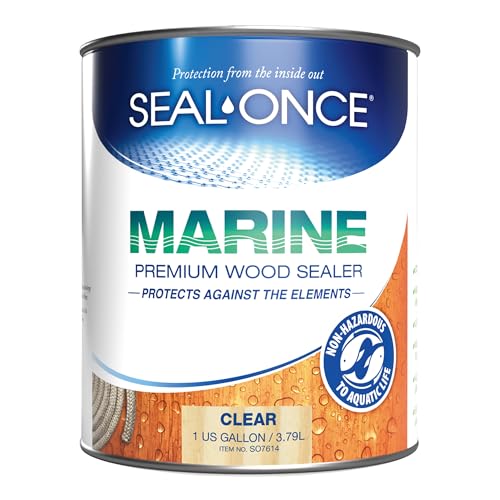
After achieving the desired shade on your natural wood pieces, it’s time to apply a protective coat. This not only preserves the fresh look but also enhances durability. Choose a high-quality sealant compatible with wood, such as polyurethane or a natural oil finish.
Recommended Sealants
- Water-Based Polyurethane: Dries quickly and provides a clear finish, maintaining color integrity.
- Oil-Based Polyurethane: Offers a warm hue and excellent durability, suitable for high-traffic areas.
- Tung Oil: A natural oil that penetrates deeply, providing a protective barrier while highlighting grain.
- Beeswax Finish: Creates a soft sheen and enhances the wooden texture, ideal for low-wear surfaces.
Application Steps
- Ensure the surface is clean and dry after the lightening process.
- Using a foam brush or cloth, apply a thin layer of your chosen sealant evenly.
- Allow it to dry completely, checking for any inconsistencies.
- Sand lightly with fine-grit sandpaper once the first coat is dry, then apply a second coat for added protection.
- Let the final layer cure based on the manufacturer’s instructions before using the piece.
Regular maintenance involves wiping with a damp cloth and reapplying the sealant periodically to keep the surface looking fresh. Avoid harsh cleaners as they can strip the protective properties and affect the aesthetic appeal.
Maintaining Lightened Bamboo Furniture Over Time
Regular dusting with a soft cloth minimizes buildup and enhances the aesthetics of treated pieces. A natural solution of equal parts vinegar and water works effectively for more thorough cleaning without damaging the surface.
Protecting from Sunlight and Humidity
Placing items away from direct sunlight is essential. UV rays can alter colors over time; using sheer curtains can help diffuse light. For humidity, maintaining a stable climate is key–consider using dehumidifiers in high-moisture areas.
Periodic Inspections and Touch-ups
Frequent checks for scratches or wear help in early detection of damage. If the surface starts to dull, I gently sand the affected area with fine-grit sandpaper and reapply a protective sealant to enhance longevity. This routine ensures the treated wood retains its original charm for years to come.
FAQ:
What are some common methods to lighten bamboo furniture?
There are several ways to lighten bamboo furniture. One popular method involves using a mild bleach solution to gently lighten the wood. You can also use vinegar mixed with water, which can help lift stains and lighten the finish. Sanding the surface lightly can remove some of the darker top layers and reveal a lighter shade underneath. Lastly, applying a white or light-colored wood stain can also give a lighter appearance to bamboo furniture.
Can I lighten bamboo furniture without damaging it?
Yes, you can lighten bamboo furniture without causing damage. It’s important to use gentle methods like diluted bleach or vinegar, as these solutions are less likely to harm the material compared to stronger chemicals. Always test any solution on a small, inconspicuous area first. Additionally, avoid using abrasive tools while sanding, as they can scratch and harm the bamboo’s surface.
What’s the best type of bleach to use for lightening bamboo?
The best type of bleach for lightening bamboo is oxygen bleach, often labeled as sodium percarbonate. Unlike chlorine bleach, oxygen bleach is less harsh and safer for wood surfaces. Mix it with water according to the instructions, and apply it with a soft cloth. This method can brighten the color without damaging the bamboo as long as it is rinsed off thoroughly after application.
How long does it take to lighten bamboo furniture using these methods?
The time it takes to lighten bamboo furniture can vary depending on the method used. For a bleach solution, you may need to leave it on for approximately 20-30 minutes, checking frequently to ensure you achieve the desired shade. Sanding may take longer, depending on the area you cover and the extent of lightening required. It’s crucial to monitor the process closely to avoid over-lightening or damaging the furniture.
Are there any specific products recommended for lightening bamboo furniture?
Yes, there are specialized wood lightening products available on the market specifically designed for furniture. Look for wood bleaches that are safe for bamboo. Products containing peroxide are gentle and effective. There are also commercial wood stains in lighter shades that can be used if you prefer not to use bleach. Always read the product labels to ensure they are compatible with bamboo.


