
 Caleb Turner
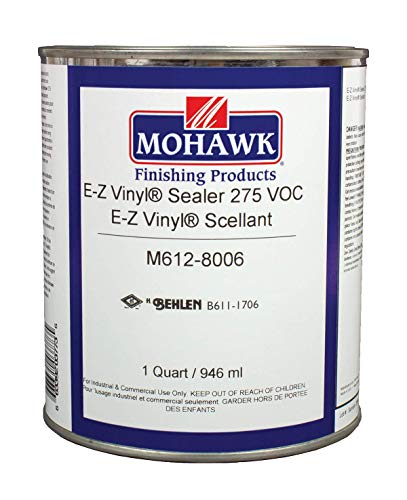
To maintain the integrity of synthetic leather surfaces, regular conditioning with a highly specialized vinyl treatment is paramount. I recommend applying this product every three to six months, dependent on the environmental conditions and frequency of use.
Exposure to extreme temperatures can cause brittleness, so it’s crucial to place your items away from direct sunlight and heating sources. I also suggest incorporating a dehumidifier in areas with high humidity to prevent moisture buildup that can lead to deterioration.
Cleaning should be approached with care. I avoid harsh chemicals and instead use a mixture of mild soap and water for routine maintenance. A soft microfiber cloth is the ideal tool for this task, as it gently lifts dirt while preserving the surface.
Lastly, ensuring that sharp objects do not come into contact with these materials is critical. Utilizing coasters and avoiding the placement of heavy items can greatly minimize the risk of scoring or abrasions, thereby prolonging the lifespan of your upholstery.


Maintaining your synthetic seating
I recommend applying a specialized conditioner designed for synthetic materials every few months. This helps to replenish lost oils and prevent surface dryness. Make sure to follow the manufacturer’s instructions when using these products for optimal results.
Optimal temperature control
Keeping synthetic seating in a stable temperature environment is crucial. Avoid exposing your items to extreme heat or cold, as drastic temperature changes can weaken the material’s integrity. Try to maintain a consistent room temperature to promote longevity.
Cleaning techniques
Utilize a gentle, pH-balanced cleaner for routine maintenance. Avoid abrasive materials that can scratch or wear down the surface. After cleaning, ensure the area dries completely to minimize moisture retention, which could lead to deterioration.
Understanding the Causes of Vinyl Cracking
Environmental factors play a significant role in deterioration. High temperatures and direct sunlight can lead to dryness, causing material to lose its flexibility. To mitigate this, I always recommend placing items in shaded areas or using UV-blocking window films.
Moisture levels also influence longevity. Excess humidity can encourage mold while too little moisture results in brittleness. Maintaining balanced humidity levels is critical, which I achieve by using dehumidifiers or humidifiers when necessary.
Quality of Material
The make and quality of the product can greatly affect durability. I prefer options that contain higher percentages of PVC since they tend to exhibit greater resilience. Always check for ratings or certifications that denote quality before purchasing.
Improper Cleaning Techniques
Using harsh chemicals can degrade surfaces. I stick to mild soap and water for cleaning to avoid damaging the protective coating. Regular gentle cleaning minimizes buildup without compromising integrity.
Choosing the Right Cleaning Products for Vinyl
I recommend using gentle, pH-balanced cleaners specifically formulated for synthetic surfaces to maintain integrity. Avoid those with alcohol, ammonia, or harsh solvents, as they can strip oils and lead to deterioration. A mixture of warm water and mild soap is often effective for regular maintenance.
For stubborn stains, consider using a soft cloth with a solution of vinegar and water in equal parts. This natural cleaner can lift grime without risking damage. Always test any product on a small, inconspicuous area before applying it widely to ensure compatibility.
Additionally, products containing wax or silicone are not ideal, as they can create a slippery surface and may build up over time, making future cleaning more challenging. Focus on products that offer a protective barrier while cleaning.
After cleaning, ensure everything is thoroughly dried with a soft towel to prevent water spots and potential weakening of the material. Regular, gentle cleaning routines will help prolong the life of the surface while maintaining its appearance.
Opt for brands that provide clear labeling indicating suitability for synthetics. If in doubt, consult manufacturer recommendations or seek out trusted reviews for reliable cleaning solutions.
Applying Protective Coatings to Vinyl Surfaces
Utilizing a protective coating significantly enhances the lifespan of synthetic surfaces. I recommend selecting a water-based acrylic sealant designed for flexible materials. These products protect against environmental factors while allowing the surface to maintain its flexibility and appearance.
Before application, ensure the surface is clean and dry. Follow these steps:
- Wipe down the area to remove dirt and grime, using a mild detergent solution.
- Allow the surface to dry completely.
- Shake the sealant container well to mix thoroughly.
- With a soft brush or roller, apply a thin, even coat of the sealant.
- Pay attention to edges and seams, as these areas are more prone to wear.
- Let the first coat dry according to the manufacturer’s instructions. A second coat may be necessary for optimal protection.
Reapplication is advisable every one to three years, depending on usage and exposure to sunlight. Regular inspection for wear will help identify areas needing touch-up before extensive damage occurs.
Some advanced options include UV-resistant sprays. These prevent fading and cracking caused by sunlight. Always test a small area first to ensure compatibility with the material.
Proper maintenance and timely application of these coatings will preserve the appearance and durability of synthetic surfaces, prolonging their quality for years.
Maintaining Optimal Humidity Levels in Your Space
Investing in a hygrometer enables precise tracking of moisture levels. Aim for a range of 40-60% humidity; this level balances comfort and material preservation. To manage humidity, consider a dehumidifier in damp areas or a humidifier if the space is dry.
Regularly ventilating the area by opening windows allows for fresh air circulation. This technique helps mitigate stale air and fluctuations in humidity. When using heating or cooling systems, ensure they’re equipped with humidity control settings for better regulation.
Houseplants can naturally boost moisture and improve air quality. Select varieties that thrive in your environment, but avoid overwatering, as that can lead to excessive humidity. Monitor plant health for optimal moisture management.
Sealing gaps and cracks around windows and doors is crucial. This action prevents the entry of outside air that may disrupt the indoor climate. Insulating your space also plays a role in maintaining consistent humidity levels.
Regularly checking weather forecasts can help anticipate changes in external conditions. Adjust your indoor climate strategies accordingly, ensuring a stable environment for your surfaces.
Storing Vinyl Furniture Properly During Off-Season
Ensure clean surfaces before storage. Use a gentle cleanser to remove dirt and oils. Avoid harsh chemicals that may damage the finish.
Climate control is necessary. Choose a dry, temperature-stable environment. Extreme heat or cold can lead to irreversible damage.
Invest in protective covers to shield items from dust and moisture. Choose breathable materials to prevent mold formation while preserving the integrity of the material.
Store items off the ground to prevent moisture absorption from floors. Using pallets or platforms helps maintain airflow and keeps the pieces safe from potential water damage.
Avoid stacking items directly on top of one another. This prevents pressure marks or distortions from forming on the surfaces.
Regular Inspection
Check stored items periodically for any signs of wear or damage. Early detection allows for timely intervention before issues cause significant deterioration.
After Off-Season Care
When retrieving pieces after storage, clean them gently before use. Reapply any protective coatings if necessary to restore their appearance and durability.
Regular Inspection and Repair Techniques for Vinyl
I recommend conducting routine examinations of all surfaces to promptly identify any signs of wear, discoloration, or damage. Look for small tears, punctures, or fading that may indicate deeper issues.
To repair minor damage, use a vinyl repair kit that typically includes adhesive, patches, and color match solutions. Apply a small amount of adhesive to the damaged area, place the patch carefully, and make sure to blend the edges with color match products for a seamless look.
It’s also advisable to keep an eye on seams and edges as these areas can be particularly vulnerable. If I notice any lifting or separation, I immediately apply a specialized vinyl adhesive to re-secure these points.
Additionally, here’s a table summarizing useful inspection and repair techniques:
| Technique | Description |
|---|---|
| Visual Inspection | Look closely for visible damage or wear marks. |
| Patch Application | Use vinyl patches to cover small tears or holes. |
| Edge Sealing | Reapply adhesive to any loose edges to prevent further degradation. |
| Color Matching | Utilize tools that allow for color matching to seamlessly blend repairs. |
Being proactive with inspections and timely repairs can significantly prolong the life of items, enhancing both appearance and function for years to come.


