Caleb Turner

Implementing barriers is the first step to safeguarding outdoor seating areas. Consider using physical shields like covers or fitting enclosures that inhibit access. Ensure all pillows and cushions are stored indoors when they’re not in use; this will greatly diminish the invitation for unwanted visitors.
Incorporating natural repellents can also prove effective. Essential oils, such as peppermint and eucalyptus, can deter these intruders. A simple DIY solution involves mixing a few drops of these oils in water and spraying the perimeter of your outdoor space regularly.
Maintaining cleanliness is paramount. Regularly sweeping away crumbs and debris that might attract critters can make a significant difference. Additionally, sealing any gaps or holes in structures like walls or decks helps eliminate potential nesting areas, creating a less inviting environment.
Utilizing traps can serve as both a preventative measure and a solution if the issue arises. Choose humane traps to catch and release rodents away from your space. This method not only addresses the problem but respects the natural habitat of these creatures.
Identifying Mouse Attractants Near Patio Furniture
Assess the area surrounding your outdoor seating and dining spaces for potential lures. Fallen food scraps or seasonal leftovers attract unwanted guests. Regularly inspect the ground for crumbs, spilled drinks, or uneaten pet food that may draw in small rodents.

Examine potted plants and nearby foliage for any signs of edible plants or fruits that could tempt these little creatures. Keeping vegetation trimmed and clearing away dead leaves enhances the space, making it less inviting.
Storage solutions also play a significant role. Cardboard boxes or poorly sealed containers, especially those holding birdseed or gardening supplies, offer great hiding places. Opt for airtight bins to secure all food-related items, reducing temptations.
Lighting can influence the presence of certain pests. Bright lights might attract insects, which could, in turn, attract small mammals. Consider using yellow bulbs or LED lights that limit insect attraction.
Lastly, assess any structural openings, gaps, or cracks near your seating arrangements. Entry points around foundations or furniture legs could provide easy access for unwelcome visitors. Regular maintenance and repairs can significantly reduce these risks.
Utilizing Natural Repellents for Rodent Control
Essential oils like peppermint, lavender, and eucalyptus serve as powerful deterrents. I typically mix a few drops of these oils with water in a spray bottle and treat the surfaces around outdoor seating. The strong scents discourage any furry visitors from lingering.
Certain herbs can also be beneficial. Planting mint or rosemary near your seating area not only enhances the ambiance but also effectively repels intruders. I make it a point to have pots of these herbs close to my outdoor space.
Scented sachets filled with garlic powder or cayenne pepper can be strategically placed around the area. These natural options emit odors unpleasant to rodents. I often refresh these sachets every few weeks to maintain their potency.
Using a vinegar spray solution can deter unwanted visitors. The pungent smell of vinegar, when applied to surfaces or nearby spaces, can be off-putting. I apply this solution regularly to ensure an inhospitable environment for unwanted guests.
| Natural Repellent | Application Method | Frequency of Application |
|---|---|---|
| Peppermint Oil | Mix with water and spray | Every 2 weeks |
| Lavender Oil | Spray around surfaces | Every 2 weeks |
| Mint Plant | Grow in pots | N/A |
| Garlic Powder Sachets | Place around the area | Every 3 weeks |
| Cayenne Pepper Sachets | Place around the area | Every 3 weeks |
| Vinegar Spray | Apply to surfaces | Weekly |
Choosing the Right Materials for Outdoor Seating
Opt for metal or synthetic materials, as they resist rodent damage better than untreated wood. Aluminum and high-density polyethylene (HDPE) are excellent choices that endure the elements without rotting or warping.
Wood Options
If wood is preferred, select pressure-treated or naturally resistant species like cedar or redwood. These types are less appealing to pests and provide durability against moisture and decay.
Fabric Considerations
For cushions, choose water-resistant and stain-resistant fabrics. Avoid natural fibers, as they can attract unwanted guests. Instead, look for polyester or nylon blends that are easy to clean and less prone to deterioration.
Implementing Physical Barriers to Deter Rodents
Sealing off spaces is a fundamental strategy I adopt to prevent unwanted visitors. I recommend using polyethylene mesh screens to cover gaps and openings in deck joints and around furniture legs, ensuring no entry points are available.
- Install metal or plastic skirting around the base of raised platforms. This not only blocks access but also provides a sleek appearance.
- Consider outdoor cushions that come with zippered covers. These can easily be removed and washed, while also serving as an additional barrier.
- Use rubber or plastic storage bins to contain loose items. This way, food sources are devoid of easy access.
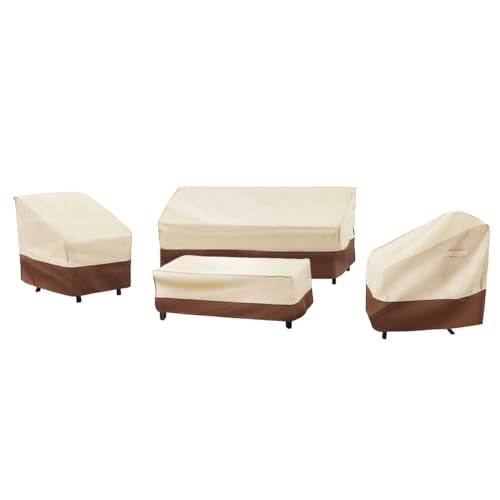
For items that cannot be stored away, I opt for a secure covering. Waterproof tarps or snugly fitting furniture covers can deter pests from finding shelter. I ensure that these covers are tight enough to prevent any gaps.
- Regularly inspect and repair any damages in barriers. I find that even small openings can become potential entry points.
- Consider raising furniture slightly above the ground. Placing pieces on blocks can limit access and also enhance air circulation around the materials, reducing moisture accumulation.
By implementing these physical barriers, I create an environment that is less inviting for intruders, significantly reducing the likelihood of them nesting in my outdoor space.
Regular Maintenance Practices to Minimize Visits
Conduct thorough cleaning sessions regularly, especially after meals or gatherings. Removing crumbs and spills immediately reduces food sources that attract unwanted guests. Use a vacuum or broom to ensure surfaces are clear.
Inspect and Store Accessories
Periodically check cushions, tablecloths, and other accessories for signs of nesting or droppings. Store these items in sealed containers when not in use to eliminate potential shelters.
Maintain the Environment
Trim nearby shrubs or plants that may provide hiding spots. Keeping the surrounding area tidy and well-maintained hampers the establishment of nesting sites. Regularly remove debris or stacked items that could serve as shelters.
Signs of Mouse Infestation to Watch For
Pay attention to small, dark droppings near the seating or storage areas. These excretions are often found in clusters, indicating recent activity.
Unusual gnaw marks on the edges of furniture or nearby surfaces can signal that rodents have been nibbling on materials. Look for frayed edges or bite marks on cushions and wooden structures.
Grease smudges along pathways, particularly on legs and frames, are indicative of fur rubbing off as they traverse. This residue can be a clear sign of their presence.
Strange scratching or scurrying sounds, especially at night, can be a hint of frequent visitors. Be alert to any noises coming from underneath or within seating areas.
Nesting materials, such as shredded paper, fabric, or insulation, may appear strewn around in hidden spots. This accumulation can indicate a breeding ground nearby.
Consider the presence of unusual smells; an unpleasant, musky odor can often accompany rodent activity and may linger around affected furniture.