
 Caleb Turner
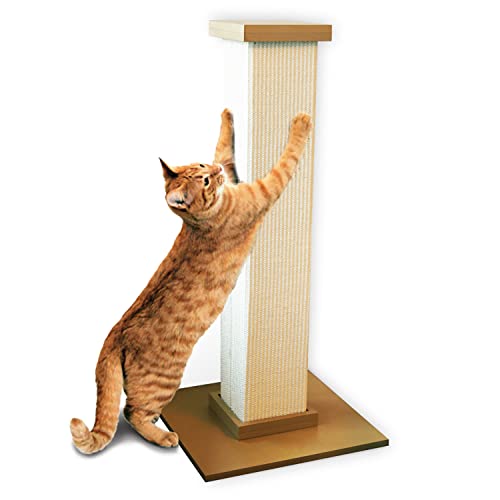
Utilize scratching posts strategically placed near your valuable pieces to redirect your pet’s attention. Select options that mimic their natural inclinations–some prefer sisal, while others enjoy cardboard or carpet textures. Regularly encouraging usage through playtime can reinforce this behavior.
Incorporate deterrent sprays specifically designed to repel interest in your new belongings. Ensure the sprays are safe for both pets and surfaces. Applying these products consistently can help condition your friend’s behavior.


Cover vulnerable surfaces with protective materials. Furniture slips or throws can act as a barrier, safeguarding upholstery while still allowing you to maintain your aesthetic preferences. Choose fabrics that are resilient to wear and alter the environment slightly to discourage habitual behaviors.
Engage in active training sessions to teach desired behaviors. Positive reinforcement with treats or affection when they choose scratching posts over your belongings can create a positive association, leading to long-term changes in habits. Additionally, providing ample opportunities for exercise will help reduce their urge to claw at unwanted targets.
Strategies to Deter Furniture Damage
I recommend introducing specific alternatives that satisfy your pet’s natural instincts. Providing a scratching post is essential; ensure it’s tall, sturdy, and made of rough material.
Place these posts close to the areas of interest. If your feline chooses to engage with your couch, move the scratching solution nearby. Considering various textures, like sisal rope or cardboard, can make these options even more appealing.
Utilize deterrent sprays containing citrus or herbal scents that discourage unwanted attention. Regular reapplication is important for maintaining effectiveness.
Try covering vulnerable furniture sections with protective materials, like slipcovers or double-sided tape. Cats often dislike sticky surfaces, thus minimizing their interest.
Rewarding positive behavior also works wonders. Every time your pet uses the designated scratching area, offer praise or a treat. This reinforces the habit of using appropriate items.
Consider strategically rearranging your living space. By moving furniture around, you can disrupt established habits and encourage exploration of new scratching surfaces.
Lastly, regular nail trimming plays a role in reducing damage. Cutting back sharp edges minimizes potential harm to your belongings.
Understanding Why Cats Scratch
I recommend observing the behavioral patterns of felines to grasp their inclination to claw surfaces. Each instance serves multiple purposes–communication, territory marking, and essential maintenance of their claws. Recognizing these motivations can inform choices in mitigating unwanted damage.
Reasons Behind Clawing Behavior
| Reason | Details |
|---|---|
| Territorial Marking | Through scratching, cats deposit pheromones from glands in their paws to signal ownership of their environment. |
| Claw Maintenance | Felines naturally shed the outer sheath of their claws, preventing them from becoming overgrown or damaged. |
| Stretching and Exertion | This action allows muscles to stretch and strengthens their forelimbs, offering physical benefits alongside behavioral ones. |
| Stress Relief | For some, clawing is a way to relieve anxiety or boredom, providing an outlet for pent-up energy. |
Observation Opportunities
Paying attention to my pet’s habits can reveal preferences for specific materials or locations. I can use this information to strategically position appropriate alternatives, guiding their behavior towards suitable outlets.
Selecting the Right Scratching Post
Choose a post that is at least as tall as your feline friend when they stretch. A height of 28 to 36 inches is ideal for most breeds, allowing full extension.
Material matters. Opt for sisal-wrapped options, as the texture closely resembles what they prefer in nature. Avoid cardboard posts, as they may not satisfy their instinctual needs.
Shape and stability are key. A sturdy, weighted base prevents tipping. Vertical posts appeal to those who enjoy climbing, while horizontal surfaces cater to those who prefer lounging.
Consider multiple styles. Cats may have different preferences – some like tall, upright cylinder posts, while others favor horizontal boards. Offering a variety increases the likelihood of engagement.
Location is crucial. Place the post near their favorite lounging areas or previous scratching spots. By positioning it strategically, you’ll attract their attention more effectively.
Catnip can enhance interest. Sprinkling a little on the post draws them in, making it an enticing option for sharpening their claws. Regularly refresh it to maintain engagement.
Monitor usage. Observe which types and locations they prefer, and adjust as needed. Their behavior may evolve over time, requiring you to adapt the scratching options accordingly.
Using Furniture Protectors and Covers
Protecting surfaces is a practical way to minimize damage. Utilize specialized protectors or slipcovers designed for various styles of seating and tables. Look for materials that are resistant to wear and easy to clean, such as leather or synthetic fabrics.
Consider using adhesive strips that are designed specifically for this purpose. These can be applied to areas that are most susceptible to wear. They create a barrier that is less appealing to claws.
Another approach involves using furniture throw covers or blankets. These can be placed over surfaces and are easy to wash, keeping them looking fresh while providing an extra layer of protection.
In addition, furniture protectors often come in various attractive designs, allowing you to maintain the aesthetic of your space while safeguarding against damage. Choose colors and patterns that complement your decor.
Layering options can also be effective; for instance, a patterned cover on top of a leather protector can add protection while enhancing your interior. This layering strategy not only extends the life of your belongings but also offers an opportunity for style versatility.
Implementing Positive Reinforcement Techniques
To encourage appropriate behavior, I utilize positive reinforcement methods. When my feline companion uses the scratching post instead of my new couch, I immediately reward this behavior with praise or treats. This creates a positive association with the scratching post.
Timing is critical–rewards should follow the desired action closely. For example, if I catch my pet engaging with the scratching post, I make sure to offer a treat within seconds. This helps my cat understand the specific behavior I want to promote.
I also incorporate toys that encourage scratching, placing them near the scratching area. By making this space enjoyable, I can steer my kitty toward the agreed-upon spots. Interactive play sessions further reinforce this positive behavior, making it an exhilarating experience rather than just a necessity.
If I notice any signs of approaching the furniture, I redirect my pet’s attention promptly. Instead of scolding, I calmly guide my furry friend back to the scratching post, ensuring the experience remains positive. This method reduces stress and anxiety, making my home harmonious.
Keeping a consistent routine rewards my cat for desired actions and sets predictable boundaries. Using a clicker can also enhance this process–immediately clicking when I see my pet engaging with the right items, followed by a reward, reinforces this behavior effectively.
Lastly, I remain patient. Changes in behavior take time. Consistency and positive reinforcement build a happy, well-adjusted companion who respects both the scratching post and my home furnishings.
Choosing Cat-Friendly Furniture Materials
Opt for upholstery made from tightly woven fabrics like canvas or denim. These materials resist claw penetration and are easier to clean. Avoid luxurious textures such as velvet or silk, as they attract attention and can show wear quickly.
Wood Selection
Solid hardwood options are less likely to be damaged than softer varieties. Laminated surfaces provide durability and are scratch-resistant. Ensure any finishes are non-toxic, as pets may gnaw on edges.
Surface Protection
Consider applying a clear, pet-friendly sealant to wooden surfaces. Leather is an excellent choice; it can withstand minor damage and often blends well with various décor styles. Microfiber also performs well, being durable and washable.
Creating a Designated Play Area
I recommend dedicating a specific space in your home for play and activity. This area should be filled with engaging toys, climbing structures, and scratching posts. Using vertical spaces, such as shelves and towers, can encourage exploration while keeping the feline busy away from your personal belongings.
Choosing the Right Location
Locate this play zone in a lively area, perhaps near a window or in a room with family activity. This exposure can stimulate curiosity and involvement. Avoid secluded spaces that might lead to boredom.
Incorporating Interactive Elements
Include interactive toys that promote engagement, such as feather wands, laser pointers, or automated ball toys. Rotate these items regularly to maintain interest and excitement. Consider adding a cozy spot where pets can retreat after playtime, creating a balance between activity and rest.
Regularly spending time in this designated area with interactive sessions will strengthen your bond and encourage favorable behavior. Over time, the tailored environment will likely redirect attention away from your valuables, making a positive difference in daily life.
Establishing a Regular Grooming Routine
I recommend scheduling consistent grooming sessions for your feline companion. This not only promotes bonding but helps minimize their urge to tear into surfaces. Begin with short, positive experiences, gradually increasing the duration as they acclimate.
Brushing Sessions
Using a soft brush, I gently groom my pet several times a week. This helps remove loose fur and minimizes shedding, making them less inclined to scratch. Aim for a calm environment, which fosters relaxation during these periods.
Nail Care
Trimming their claws every one to two weeks is essential. This reduces the length of their claws, lowering the potential for damage when they scratch. A pair of cat nail clippers or a specialized guillotine clipper works best. Ensure comfort and security during the process, providing treats and praise after each session.
FAQ:
What are some effective ways to stop my cat from scratching my new furniture?
There are several strategies you can implement to protect your furniture from your cat’s scratching. First, consider providing a scratching post or pad that is sturdy and tall enough to attract your cat. Placing it near the furniture they usually scratch may encourage them to use it instead. You can also use furniture protectors or covers designed to deter scratching. Feline pheromone sprays can help soothe your cat and may reduce the urge to scratch. Regular nail trimming is also beneficial, as shorter nails are less likely to damage furniture.
How can I train my cat to use a scratching post instead of the couch?
Training your cat to use a scratching post involves patience and positive reinforcement. Start by placing the scratching post near the couch or any area the cat usually scratches. Encourage your cat to explore the post by using catnip or toys. Whenever your cat uses the scratching post, reward them with treats or praise to reinforce the behavior. If they start to scratch the couch, gently redirect them to the post. Consistency in this training will help your cat understand that the scratching post is the appropriate spot for their scratching needs.
Are there specific materials that are more appealing for scratching posts?
Yes, cats tend to prefer scratching posts made of materials that mimic natural surfaces they would encounter in the wild. Sisal rope, cardboard, and carpeting are popular choices. Sisal rope is durable and provides a satisfying texture for scratching. Posts covered in carpet can also be appealing, but make sure they use a durable material. Cardboard scratchers are typically less expensive and can be enticing because of the sound they make when scratched. Experiment with different materials to see which one your cat prefers.
How can I make my furniture less appealing for scratching?
To make your furniture less appealing to your cat, consider using furniture sprays or deterrents that have scents cats dislike, such as citrus. You can also cover key areas with double-sided tape, as cats dislike the sticky texture. Additionally, placing protective covers or slipcovers on your furniture can help shield it from damage. Another idea is to rearrange your furniture so that it’s less accessible for scratching. Overall, using these methods in combination with providing adequate scratching alternatives can lead to better outcomes.
Is it normal for cats to scratch furniture, and why do they do it?
Scratching is a natural behavior for cats, as it serves multiple purposes. It helps them keep their claws healthy by removing the outer sheath of the claw. Scratching also allows cats to mark their territory, as they have scent glands in their paws. Additionally, it provides an outlet for physical and mental stimulation. Though it can be frustrating for pet owners, understanding that this behavior is instinctual may help in finding solutions to protect your furniture while accommodating your cat’s needs.
What are some methods to keep my cat from scratching new furniture?
There are multiple strategies to protect your new furniture from cat scratches. Firstly, providing a variety of scratching posts or pads around your home is highly effective. Cats naturally want to scratch, so having designated areas for this behavior can help. Additionally, consider using furniture covers or applying special sprays that deter scratching. Clipping your cat’s nails regularly can also reduce damage. Lastly, rewarding your cat with treats when they use the scratching posts instead of the furniture can reinforce this positive behavior.


