Caleb Turner

To address odors emanating from your beloved pieces, starting with a thorough cleaning is crucial. Utilize a mixture of warm water and mild soap to wipe down surfaces, followed by a vinegar solution–a half cup of vinegar mixed with a quart of water can neutralize unwanted scents effectively. This method not only cleans but also refreshes the air around the item.
Incorporate baking soda as a natural deodorizer. Sprinkling it directly on affected areas and letting it sit for a few hours, or even overnight, can work wonders. The granules absorb unpleasant smells, leaving a fresher scent. Vacuum it up afterward to reveal the improved state of your possessions.
Regular grooming of your canine companion can significantly reduce odors. By brushing your pet frequently and keeping their coat clean, you minimize the amount of hair and dander that settles into your belongings. Consider using pet-specific shampoos that help neutralize odors during bath time.
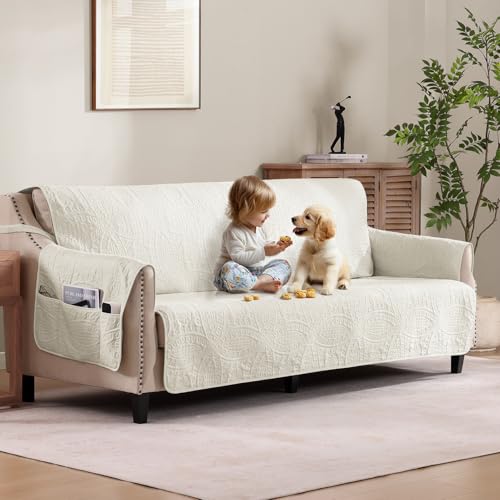
Using protective covers for your chairs and sofas is another practical approach. These covers not only shield against stains and spills but can also be easily removed and washed. Opt for materials that are machine washable for convenience.

Lastly, keep the area well-ventilated. Opening windows and using fans can help circulate fresh air and diminish lingering scents. Incorporate air purifiers with HEPA filters to trap pet-related particles, enhancing the overall smell of your living space.
Choose Pet-Friendly Fabrics
Opt for tightly woven materials such as microfiber or canvas. These fabrics resist stains and odors more effectively than loose weaves. I prefer synthetic options like polyester, which tend to absorb less moisture and are easier to clean.
Natural fibers, while comfortable, can trap smells and take longer to dry. Consider solution-dyed acrylics; they are durable and resistant to fading, making them ideal for active households.
Look for fabrics labeled as “stain-resistant” or “odor-resistant”. Treatments can enhance the durability of the material and assist in preventing lingering scents.
Leather and faux leather can be practical as well; they are easier to wipe down and won’t absorb as many odors compared to fabric. However, ensure they have protective coatings to avoid scratches from playful paws.
Finally, remember to select a color that can mask potential stains. Darker colors or patterns can help conceal accidents, making maintenance less stressful.
Regular Cleaning Techniques for Upholstery
Vacuum upholstery weekly. Utilize a vacuum cleaner equipped with a brush attachment to eliminate hair, dirt, and allergens. Pay special attention to crevices and under cushions.
Spot Cleaning
Address stains promptly. Use a mixture of water and mild detergent to gently blot affected areas with a clean cloth. Avoid vigorous scrubbing, which can damage the fabric.
Deodorizing Tips
Sprinkle baking soda evenly over the fabric. Allow this to sit for at least 15 minutes before vacuuming it away. This process neutralizes odors effectively.
- Consider using vinegar as a natural disinfectant. Mix equal parts of water and vinegar in a spray bottle and lightly mist the upholstery.
- For a refreshing scent, essential oils can be added to your vinegar solution. A few drops of lavender or citrus oils work well.
For deep cleaning, refer to professional services annually. They offer specialized equipment that can revive and refresh upholstery fibers.
Deodorizing Sprays: What to Use and How to Apply
I recommend using a mix of vinegar and water in a spray bottle for a simple yet powerful deodorizing solution. Combine one part white vinegar with one part water, adding a few drops of essential oil for a pleasant scent if desired. This natural blend neutralizes odors effectively without harsh chemicals.
Commercial Options
If you prefer ready-made solutions, choose pet-safe deodorizing sprays specifically formulated for household use. Look for products containing baking soda or enzymatic cleaners that break down odor-causing substances. Always check the label for compatibility with your upholstery material.
Application Technique
To apply the spray, first, test it on a hidden area of the fabric to ensure no discoloration occurs. Lightly mist the surface, avoiding saturation. Allow it to air dry fully, which helps the deodorizing agents to work. Repeat this process weekly or as needed to maintain a fresh environment.
For persistent odors, consider soaking a cloth in your deodorizing solution and wiping down surfaces to remove deeper particles. This method can enhance the effectiveness of the spray while keeping your living space pleasant.
Creating a Dog-Free Zone on Furniture
Designate specific areas where pets are not allowed, including certain pieces of seating and surfaces. Utilize baby gates or pet pens to physically block access to these areas. Training your canine companion to understand boundaries can be effective; reinforce this behavior with positive rewards when they stay off restricted spots.
Use Covers or Throws
Invest in protective covers or throws for high-risk areas. These can be easily removed and washed, ensuring any odors or stains do not penetrate the underlying fabric. Choose items that are machine washable, allowing for regular cleaning without hassle.
Provide Alternative Spaces
Set up comfortable pet beds or designated resting areas nearby. Encouraging your furry friend to use these spaces will help minimize their desire to claim your favorite seating as their own. Place toys and blankets in these areas to create an inviting atmosphere.
Air Fresheners vs. Natural Alternatives
I prefer natural alternatives over commercial air fresheners. For instance, baking soda is a superstar in neutralizing odors. Sprinkling it on upholstery for a few hours before vacuuming can yield fantastic results. Another option is white vinegar mixed with water in a spray bottle. This solution effectively neutralizes smells without leaving a harsh scent behind.
Essential oils also offer a pleasant way to create a fresh atmosphere. I use lavender or lemon oil, adding a few drops to a cotton ball and placing them in discreet spots. This not only freshens the air but also provides calming effects. However, always ensure the oils are safe for pets if they occupy the space.
If I want additional charm, I create homemade potpourri using dried herbs, citrus peels, and spices. Simmering this mixture on the stove fills the environment with delightful aromas without artificial additives. The charm of natural scents is something I truly appreciate, especially in a pet-friendly space.
When considering longevity, I find that natural solutions often outperform synthetic fragrances, which may need frequent reapplication. By opting for these alternatives, I can achieve a fresher environment while maintaining a healthier space for both myself and my furry companions.
Using Baking Soda for Odor Absorption
Sprinkling baking soda on upholstery provides an excellent method for eliminating unwanted scents. I evenly distribute a generous amount over the surface and let it sit for at least 15-30 minutes. This allows the powder to absorb odors effectively.
Application Techniques
For best results, I often use a soft brush or cloth to work the baking soda into the fabric. This aids in deeper penetration, enhancing its odor-neutralizing properties. After the designated time, a thorough vacuuming removes both the baking soda and the absorbed odors.
Regular Maintenance Tips
I incorporate this technique into my regular cleaning routine, applying baking soda once a month to keep my seating areas fresh. Additionally, I sometimes mix essential oils with the baking soda before application, creating a pleasant scent that lingers after cleaning.
Washing Pet Bedding and Accessories
Regularly laundering pet bedding and accessories is key to minimizing odors. I ensure that my dog’s bed, blankets, and toys are washed at least once a week. Use a washing machine for fabric items, and follow these guidelines:
| Item | Washing Instructions | Detergent Recommendation |
|---|---|---|
| Dog Bed | Remove cover if possible; machine wash on warm cycle. | Use a fragrance-free detergent to avoid irritation. |
| Blankets | Wash separately; choose a gentle cycle. | Opt for a hypoallergenic detergent. |
| Toys (Fabric) | Check for machine washability; use a gentle cycle. | Fragrance-free or plant-based detergent is best. |
For non-washable items, I spot clean using a mix of vinegar and water, which helps neutralize odors effectively. After washing, I air dry when possible to preserve the fabric’s integrity. I also take time to check for any signs of wear or damage, especially in toys, as this can harbor odors over time.
Consider regularly rotating bedding and accessories, allowing each item time to air out. This strategy helps diminish lingering scents while keeping my pet’s environment fresh.
Implementing a Grooming Routine for Your Dog
Establish a consistent grooming timetable to minimize unwanted scents. I schedule brushing sessions multiple times a week, which significantly reduces loose fur and dander. Use a quality brush suitable for your dog’s coat type; for instance, slicker brushes work well for long-haired breeds, while short-haired dogs may require a bristle brush.
Bathing should occur every four to six weeks, using a mild, pet-safe shampoo specifically designed to eliminate odors. After bathing, dry your pet thoroughly to prevent dampness, which can lead to mustiness.
Nail trimming is part of the grooming process. Keeping nails short prevents dirt from accumulating under them, contributing to a fresher smell. I find a good nail clipper and regular trimming makes a noticeable difference.
Regular ear cleaning also helps; build up in the ears can lead to unpleasant odors. Use a vet-recommended ear solution and cotton balls, and avoid using cotton swabs deeper inside the ear canal.
Finally, dental hygiene shouldn’t be neglected. I incorporate tooth brushing into my dog’s routine to reduce bad breath, using a vet-approved toothpaste. This contributes positively to overall cleanliness.
Professional Cleaning Services for Persistent Odors
For overwhelming scents that resist typical home remedies, enlisting specialized cleaning services is advisable. These experts utilize advanced techniques and equipment to eliminate stubborn odors effectively. Look for companies that offer specific pet odor removal solutions.
Key aspects to consider include:
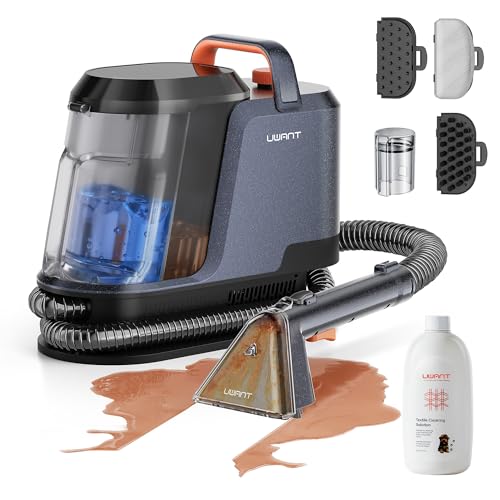
- Steam Cleaning: This method penetrates deep into upholstery fibers, neutralizing embedded smells.
- Enzyme Cleaners: Professionals often apply enzyme-based products that break down organic matter causing unpleasant fragrances.
- Deodorizing Treatments: A variety of specialized deodorizing agents are available, targeting persistent odors more effectively than retail options.
- Sanitization: Many services include sanitizing treatments, ensuring a thorough cleanse and removal of allergens along with the odors.
Verify that the cleaning products utilized are pet-safe, reducing risks while achieving desired results. Search for reviews or referrals to identify reliable service providers in your area. A deep-cleaning session can significantly enhance the comfort of your living space and improve indoor air quality.
FAQ:
What can I do to prevent my furniture from smelling like my dog?
To keep your furniture smelling fresh, regularly clean it with pet-safe sprays or wipes that neutralize odors. Vacuuming and using fabric fresheners can also help. Ensure good ventilation in rooms with furniture to reduce lingering smells. Using protective covers or throws can keep your furniture clean and minimize any dog-related odors.
How often should I clean my furniture to control dog odors?
It’s advisable to clean upholstered furniture weekly, especially if your dog spends a lot of time on it. Regular vacuuming to remove hair and dander is key. Deep cleaning every month or as needed with a steam cleaner or professional service can further help to eliminate odors effectively.
Are there specific products I should use to eliminate dog odors from my furniture?
Look for enzymatic cleaners specifically designed for pet odors, as they break down the odor-causing substances. Baking soda is also a great natural deodorizer; sprinkle it on your furniture, let it sit for a few hours, and then vacuum it off. Upholstery sprays that are fragrance-free and pet-safe can also be beneficial.
Can the type of fabric on my furniture influence dog odors?
Yes, the fabric type can significantly influence how odors are absorbed and retained. Fabrics like microfiber and leather are typically easier to clean and resist odors better than porous fabrics like cotton or linen. Choosing furniture with removable, washable covers can also help in maintaining a fresh environment.