
 Caleb Turner

To eliminate unwanted insects from your seating and bedding, regularly vacuuming is crucial. Use a vacuum with a strong suction capability, and don’t forget to pay special attention to seams and crevices where these tiny pests often hide. Dispose of the vacuum bag immediately to prevent any chance of re-infestation.
Creating a barrier with protective covers can serve as a second layer of defense. Consider using special encasements for cushions and mattress covers designed to block the entry of insects. Wash these items frequently in hot water to eliminate any potential threats lingering on the surface.
Utilizing natural deterrents can also enhance your efforts. Essential oils like lavender, eucalyptus, and peppermint are renowned for their repelling properties. Mixing a few drops with water in a spray bottle allows you to create a DIY solution that can be applied to various surfaces.
Incorporating regular inspections into your cleaning routine can aid in early detection of any problems. Advances in insect traps, such as those designed specifically for monitoring, can be placed strategically around your living space to catch any unwelcome guests before they become a bigger concern.


Identifying Signs of Infestation on Seating and Surfaces
Look for tiny, dark, or reddish-brown specks on upholstery and surfaces. These may be droppings left behind, indicating an active population. Check for small, jumping insects, particularly around the seams of cushions and under throw pillows. The presence of these creatures suggests a serious issue.
Recognizing Damage and Allergic Reactions
Watch for any signs of irritation on skin after contact with commonly used items. Red, itchy spots may appear, indicating a reaction to bites. Additionally, inspect material for signs of nibbling or wear, particularly on lower sections of couches and chairs where pets rest.
Utilizing a White Sock Test
Wear a pair of white socks and walk around the area. If you notice tiny black specks adhering to the fabric within a short distance, it’s a clear indication that a problem exists. This simple test effectively reveals hidden trouble spots in various environments.
Choosing the Right Vacuum Cleaner for Flea Removal
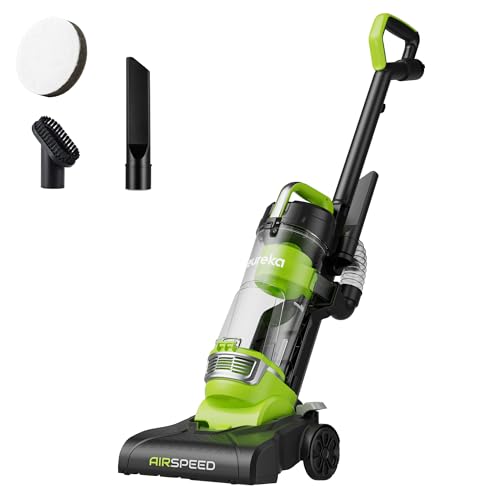
I recommend opting for a vacuum cleaner with strong suction to effectively eliminate any unwanted pests. Models equipped with high-efficiency particulate air (HEPA) filters trap tiny particles, including eggs and larvae, preventing them from re-entering the air. This is key to maintaining a clean environment.
Look for attachments designed specifically for upholstery and carpets. Crevice tools and brushes can reach into tight spaces where these unwanted invaders like to hide, ensuring a thorough cleaning. A combination of rotating brushes and suction enhances the removal of debris and pests lurking within fibers.
Consider a vacuum with a bagging system. A sealed environment prevents the escape of allergens and pests after collection, reducing the chance of recontamination. Frequent bag changes maintain cleanliness and efficiency.
Battery-powered models offer convenience and portability, allowing you to tackle specific areas quickly without the hassle of cords. Ensure the runtime is sufficient for larger areas. However, corded varieties generally provide more power and continuous suction for extensive cleaning sessions.
Regular maintenance, including cleaning or replacing filters, is crucial for keeping the vacuum operating optimally. Checking and emptying the canister or bag frequently contributes to enhanced performance and longevity.
Techniques for Properly Vacuuming Flea-Prone Areas
Vacuuming at least twice a week in areas where pets roam is crucial. I focus on carpets, rugs, and upholstery, as these surfaces tend to harbor unwanted critters. Using a vacuum with a HEPA filter helps trap tiny particles, ensuring thorough removal.
I begin by removing all throw pillows and blankets from sofas and chairs. This allows me to get into every crevice. Pay particular attention to cracks and seams, where eggs and larvae might hide.
During vacuuming, I employ different attachments. The upholstery brush works wonders on cushions, while the crevice tool lets me access tight spaces effectively. I make sure to vacuum any pet bedding too, as it can be a common breeding ground.
After vacuuming, I empty the canister or dispose of the bag outside immediately. This prevents any potential return of the tiny pests. I also take a moment to clean the vacuum filter and brush to ensure optimal performance for the next use.
In addition to routine vacuuming, I consider using a steam cleaner occasionally. The heat can kill eggs and larvae, providing an extra layer of defense. I ensure to follow the manufacturer’s instructions for safe use on fabrics and carpets.
Finally, I combine vacuuming with regular wash cycles for pet blankets and toys. Hot water helps eliminate any leftover pests and gives me peace of mind while maintaining cleanliness in my living space.
Using Flea Sprays and Powders Safely on Furniture
Always test a small, inconspicuous area of the upholstery before applying any spray or powder. This helps to ensure that there’s no damage or discoloration. Once tested, apply the product evenly across the surface, making sure to follow the manufacturer’s instructions regarding the amount and distance from the fabric.
While applying, ensure proper ventilation in the area. Open windows or use fans to facilitate airflow, which helps minimize inhalation of any chemicals. It’s advisable to wear gloves and a mask during the application to safeguard against potential skin irritation or respiratory issues.
After treating the area, allow the product to dry completely before allowing pets or family members back onto the treated surfaces. This drying period is crucial for preventing unintended exposure. Additionally, do not vacuum the application area immediately; allow the treatment time to work effectively before cleaning.
Regularly check the treated surfaces for any signs of irritation or allergic reactions in pets or family members. If any adverse effects occur, cease using the product and consult a professional if necessary. Always store sprays and powders securely, out of reach of children and pets, to prevent accidental ingestion or contact.
Natural Remedies for Flea Control on Upholstery
I recommend using diatomaceous earth as a natural option. This powdery substance disrupts the exoskeleton of bugs, leading to dehydration. Sprinkle it on upholstered pieces and leave it for a few hours before vacuuming thoroughly.
Citrus solutions also provide effective results. Boil water with sliced lemons or oranges and let it steep overnight. Use this solution to wipe down your upholstery. The scent repels unwanted pests while leaving a fresh aroma.
An essential oil blend can serve as a powerful deterrent. Combine lavender, rosemary, and peppermint oils with water in a spray bottle. Lightly mist your upholstery, being careful not to over-saturate. This not only wards off intruders but also provides a pleasant fragrance.
Baking soda works well too. Sprinkle it generously on fabrics and let it sit for about 15 minutes before vacuuming. This method helps absorb odors and can kill any uninvited guests lurking in the fibers.
- Diatomaceous earth: Sprinkle, wait, then vacuum.
- Citrus solutions: Boil citrus fruits, steep, and wipe.
- Essential oil blend: Mix oils with water and mist lightly.
- Baking soda: Apply, allow to sit, then vacuum.
Regularly laundering removable upholstery covers can diminish any potential issues. Use hot water for cleaning, as high temperatures help eliminate potential eggs and larvae.
Consider using a steam cleaner; this method not only sanitizes but also penetrates deeply into the fabric. The heat effectively neutralizes any unwanted organisms, making it an efficient team member in your control arsenal.
Implementing Regular Cleaning Routines for Furniture
Establishing a consistent cleaning schedule is key. Aim for a weekly routine that incorporates vacuuming and dusting. This reduces the likelihood of unwanted visitors settling in. Consider the following steps:
Weekly Vacuuming
- Focus on all upholstery, including cushions and under sections that are less visible.
- Utilize a vacuum with a HEPA filter to capture tiny particles effectively.
- Regularly empty the vacuum canister or replace bags to maintain suction power.
Dusting and Wiping
- Use a damp cloth to wipe surfaces, which traps dirt and debris, preventing it from becoming airborne.
- Pay extra attention to corners, crevices, and embellishments where eggs may be located.
- Apply a fabric-safe cleaner to eliminate residues that may attract pests.
Incorporate seasonal deeper cleaning sessions every three to six months. During these, disassemble furniture for thorough inspection.
- Remove cushions and vacuum underneath and inside furniture thoroughly.
- Wash removable covers according to label instructions.
- Check for signs of infestation, including black specks or tiny bites on textiles.
Keep your living area clutter-free, as items can become breeding grounds. Store blankets and cushions in sealed containers when not used regularly.
Preventing Fleas from Pets Transferring to Furniture
I recommend establishing a routine for your pets to minimize the risk of unwanted pests moving onto your upholstery. Regularly bathe your pets with vet-approved shampoos designed to eliminate parasites. A consistent bathing schedule helps maintain cleanliness and reduces pest presence.
Implement grooming sessions using flea combs to remove any parasites that may hitch a ride on your animal’s fur. Pay special attention to areas like around the ears, neck, and tail where these critters tend to congregate.
Managing Your Pet’s Environment
Limiting your pets’ access to certain areas can hinder pests from spreading. Designate specific spaces for your pets to roam, ensuring that these areas are regularly cleaned and treated. Additionally, consider using washable pet bedding and clean it frequently to mitigate any pest buildup.
Regular Health Checks
<p.Schedule veterinary check-ups to monitor your pets’ health and receive preventative treatments against infestations. This proactive care can significantly reduce the likelihood of any critters transferring onto your belongings.
Applying Protective Covers and Treating Fabrics
Using quality protective covers for upholstered items is a proactive method to shield against unwanted pests. Select materials specifically designed to be resistant to bites and easy to clean. Waterproof covers can deter moisture, making it less hospitable for any potential inhabitants.
Choosing Appropriate Fabrics
Consider fabrics like microfiber or tightly woven textiles, as they are less likely to harbor insects. Natural fibers can be inviting, so prefer synthetic options for added security. Regularly inspect these materials for signs of wear and replace them as necessary.
Treating Upholstery Effectively
Regularly applying fabric-safe insecticides can significantly reduce the chances of any unwanted guests taking hold. Always perform a patch test on an inconspicuous area to ensure no damage occurs. Additionally, utilizing steam cleaners can help eliminate potential eggs or larvae embedded in the seams and fibers.
Integrate essential oils, like lavender or cedarwood, as a natural deterrent. Mix a few drops with water in a spray bottle and lightly mist your fabrics. Regular treatment sessions can create an unwelcoming environment for any invasive species.
Incorporating these methods into your maintenance routine will enhance the longevity of your furnishings and reduce the likelihood of unwanted inhabitants taking refuge within. Regular inspections and proactive measures are the best defense.
Understanding the Role of Professional Pest Control Services
Engaging with expert pest management can significantly enhance eradication efforts. These specialists possess advanced knowledge of the lifecycle and habits of these troublesome insects, allowing for tailored strategies to be implemented efficiently. Direct experience ensures they can quickly identify hidden infestations and apply appropriate treatments that are often more potent than commercial products available to consumers.
Benefits of Professional Services
Utilizing these services offers multiple advantages:
| Benefit | Description |
|---|---|
| Thorough Inspection | They assess all areas, including less visible spots where insects may reside. |
| Tailored Solutions | Expertise allows for customized treatment plans that consider your specific situation. |
| Long-Term Control | Professionals not only address current issues but also implement preventive measures for long-lasting effects. |
| Safety Measures | Expert technicians utilize safe and effective treatment methods, reducing health risks to pets and humans. |
When to Seek Professional Help
If the infestation is severe or persistent despite DIY efforts, it’s advisable to consult with professionals. Indications include frequent sightings of insects, discomfort from bites, or when over-the-counter solutions fail. Making this choice can save time and frustration, leading to a pest-free environment more quickly.


