
 Caleb Turner

Begin by applying steam to the affected areas using a cloth or sponge. The heat will help relax the fibers of the flooring, allowing them to return to their original shape. Ensure the fabric remains damp but not soaking wet to avoid damage.
If steam isn’t an option, try placing ice cubes in a cloth on the blemishes. Let them sit for a few hours; as they melt, the fibers will absorb moisture, often leading to a gradual restoration of the texture.
Once the area is damp, gently brush the fibers with a soft-bristle brush. This step promotes fluffing and brings the texture back to life, aiding in the removal of any stubborn marks.
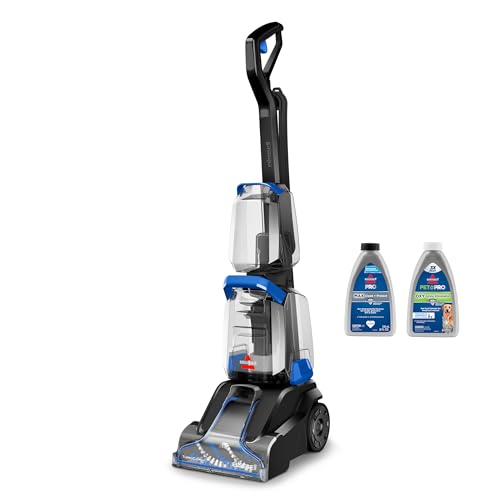

For persistent impressions, consider using a professional-grade carpet cleaning solution specifically designed for such issues. Following the manufacturer’s instructions will yield the best results and help maintain the integrity of the flooring.
Assessing the Severity of Carpet Indentations
First, examine the depth of the marks on the flooring material. A shallow imprint only requires light treatments, while deeper ones may necessitate more extensive methods. Running a finger over the area can help you identify significant grooves versus minor disruptions.
Identifying Material Impact
Next, consider the type of material involved. Natural fibers like wool tend to recover more easily than synthetic options. If the texture appears compressed, it could indicate a need for steaming or professional cleaning to restore the original pile height.
Examining Duration of Displacement
The time the items have remained in place contributes significantly to the severity. Prolonged pressure creates more lasting effects. Assess how long the heavy objects have been stationed; this may dictate the approach required for restoration.
Using Ice Cubes to Restore Carpet Pile
Place several ice cubes directly on the divots in your flooring. Allow them to melt completely, which typically takes about 30 minutes. The moisture will seep into the fibers, loosening them from their flattened position.
After the ice has melted, gently fluff the affected areas with your fingers or a soft cloth. This will help restore the original texture while promoting recovery of the fiber structure.
Alternative Approach
If needed, apply a dry towel over the moist spot and use a steam iron at a distance to provide gentle heat. The steam can assist in further reviving the pile as you continue to fluff the area.
Employing Steam for Deeper Restoration
Utilizing steam provides a powerful approach for rejuvenating fibers. This method can effectively lift and reshape matted areas, restoring the original texture and look.
Required Equipment
- Steam cleaner or handheld steamer
- Microfiber cloths
- Protective gloves
- Brush with soft bristles
Steps to Follow
- Adjust the steam cleaner to the appropriate setting for upholstery; ensure it is heated sufficiently.
- Carefully apply steam directly to affected sections, maintaining a safe distance to avoid damage.
- Immediately after steaming, use a microfiber cloth to blot excess moisture.
- Gently fluff the pile with a soft brush to encourage recovery of the fibers.
- Allow the area to dry completely before using the space again.
This technique not only assists in restoring matted fibers but also helps in cleaning, ensuring that your flooring looks refreshed and inviting. Regular maintenance using steam can prolong the life of the surface and keep it visually appealing.
Brushing Techniques for Carpet Indentations
I recommend using a stiff-bristled brush for restoring the texture of the fibers. Gently brush the affected area in different directions to help lift the flattened sections. This action can help to dislodge dirt and debris that may be contributing to the issue, resulting in a fresher appearance.
Technique for Loop Pile Carpets
For loop pile textures, employ a carpet rake or a specialized brush to separate the loops. Make soft, sweeping motions, ensuring not to pull on the fibers too aggressively. This technique helps to maintain the integrity of the loops while restoring their original height.
Technique for Cut Pile Carpets
For cut pile surfaces, use a brush with a slightly softer bristle. Brush against the grain first and then with the grain to achieve a balanced look. If any fibers appear to be tangled or matted, carefully tease them apart with your fingers or a fine-toothed comb.
Preventing Future Indentations with Furniture Placement
To maintain a pristine appearance of the flooring, I recommend using protective furniture coasters. These can effectively distribute the weight of heavy pieces, minimizing pressure on the surface.
Strategic placement of furniture is key. Avoid clustering heavy items together in one area. Instead, spread them out to allow the fibers to recover naturally.
Regularly rearranging the layout can also help. Shifting items every few months allows the fibers to breathe and can prevent long-term impressions.
Using area rugs under heavier furnishings serves as a buffer. This technique not only protects the flooring but also adds an aesthetic element to the space.
Consider the materials of both the furnishings and the flooring. Soft or natural fibers for rugs and carpets might absorb pressure better than synthetic options, providing a more resilient base.
Incorporating protective glass or acrylic sheets beneath furniture legs offers a transparent solution that does not detract from the decor while safeguarding the underlying surface.
| Technique | Description |
|---|---|
| Furniture Coasters | Distributes weight evenly to reduce pressure points. |
| Strategic Placement | Spreads weight evenly by arranging furniture thoughtfully. |
| Regular Rearrangement | Shifts furniture periodically to encourage fiber recovery. |
| Area Rugs | Creates a protective layer while enhancing the decor. |
| Material Consideration | Opt for softer fibers that provide better pressure absorption. |
| Protective Sheets | Utilizes clear sheets under furniture legs to prevent damage. |
Professional Options for Severe Carpet Damage
Contacting a carpet repair specialist is often necessary for deep restoration issues. They possess the tools and expertise to assess and address significant flaws effectively. Treatments may include patching, stretching techniques, or re-tufting depending on the damage extent.
Carpet Stretching
Stretching can eliminate ripples and sagging caused by heavy items over time. This process pulls the fabric tight and reaffirms it to the tack strips. A professional will utilize a power stretcher, ensuring even coverage and a flat surface. It’s critical that this technique is performed correctly to avoid further damage.
Reweaving and Patching
Should the fabric be badly frayed or missing in spots, reweaving may be your best option. This method involves weaving new fibers into the damaged area, closely replicating the existing pattern. For minor damage, patching might suffice–using spare pieces or matching remnants, a cleaner can seamlessly blend in a new section, restoring the original look.


