
 Caleb Turner

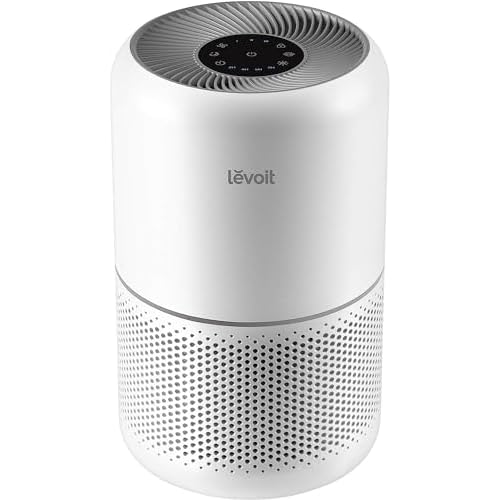
Using an air purifier with a HEPA filter can significantly improve indoor air quality by reducing airborne pollutants associated with recent acquisitions. This straightforward method quickly helps to diminish unwanted odors commonly found in newly crafted items.
Another effective solution lies in placing bowls filled with baking soda, activated charcoal, or white vinegar throughout the space. These substances naturally absorb and neutralize unwanted scents over time without the need for harsh chemicals.
Additionally, letting fresh air circulate through the area can work wonders. Open windows and doors to facilitate ventilation, allowing fresh airflow to displace residual odors. Consider placing fans if the area lacks exposure to natural breezes.
Implementing citrus-based sprays or essential oil diffusers can add pleasant fragrances, providing an aromatic barrier that masks odors while also contributing to a fresh atmosphere.

Identify the Source of the Formaldehyde Odor
I recommend conducting a thorough inspection of your items to pinpoint the origin of the unpleasant odor. Look for any surfaces, joints, or areas where the scent is strongest. Pay close attention to the following:
- New Purchases: Newly acquired products often contain materials like MDF, particleboard, or certain adhesives that may emit volatile organic compounds (VOCs).
- Old Pieces: Items manufactured before certain regulations might contain higher levels of harmful substances.
- Hidden Areas: Check behind and underneath your items where ventilation may be limited, trapping odors.
- Damaged Surfaces: Scratches or water damage can expose underlying materials, releasing odorous compounds.
Testing and Confirmation
If necessary, use a VOC detector to confirm the presence of hazardous emissions. This can provide an objective measure to determine how urgently you need to address the issue.
Prioritize Cleaning
<pOnce you have identified the problematic areas, focus on cleaning and possible treatment to alleviate the unpleasant scent. Consider natural solutions such as vinegar or baking soda, which can neutralize odors effectively.
Ventilate the Room Properly
Open windows and doors to create a cross breeze. This allows fresh air to circulate and reduce the concentration of volatile compounds. Aim for at least a few hours of ventilation daily, especially during sunny days when outdoor air quality is higher.
Specific Strategies for Effective Airflow
Utilize fans to enhance air movement. Position one fan facing outward in a window to expel stale air, while another fan can draw in fresh air. If possible, use exhaust fans in kitchens or bathrooms to assist in removing unwanted odors.
Monitor Humidity Levels
Maintain indoor humidity between 30% and 50% to discourage adverse reactions with materials that emit unpleasant odors. Use a hygrometer to check humidity levels. If they exceed this range, consider using a dehumidifier or air conditioner.
| Strategy | Description |
|---|---|
| Open Windows | Facilitates airflow and reduces indoor concentration of odors. |
| Use Fans | Helps circulate air and remove unwanted scents more efficiently. |
| Check Humidity | Keeps moisture at optimal levels to limit odors and potential growth of mold. |
| Air Purifiers | Utilize HEPA filters to capture particles and improve air quality. |
Consistent ventilation practices can significantly minimize unwanted odors in your living space. Regularly assess airflow and humidity to maintain a fresh environment.
Use Baking Soda to Absorb Smells
I place an open container of baking soda in the affected area. This simple method acts as a natural deodorizer, absorbing unpleasant odors effectively. I recommend using a shallow dish to maximize surface area for absorption.
If the odor persists, I mix baking soda with water to create a paste and apply it to any surfaces that may contribute to the issue. Let it sit for several hours or overnight, then wipe it clean with a damp cloth.
For larger areas, I sprinkle a generous amount of baking soda over carpets or upholstery, allowing it to remain for at least 24 hours before vacuuming. This helps draw out hidden scents.
I also find placing small bowls of baking soda in various corners of the room helps maintain freshness. Regularly replacing the baking soda every month ensures continued effectiveness in neutralizing persistent odors.
Apply Activated Charcoal for Odor Neutralization
Placing activated charcoal in the vicinity of the affected items serves as a powerful method for absorbing unpleasant odors. I generally recommend using activated charcoal bags or containers, which can easily be found in various household stores or online. These products are designed specifically to eliminate toxins and unwanted scents.
Placement Strategy
Position the charcoal near the source of the odor but ensure it’s out of direct sunlight. A good rule is to place multiple bags or containers throughout the space, allowing for maximum air contact. I typically leave them in place for several days, as this duration allows the charcoal sufficient time to absorb the odors effectively.
Maintenance and Replacement
Regularly check on the activated charcoal. A good practice is to replace it every month or whenever I notice a decrease in its effectiveness. Some products can even be rejuvenated by placing them in sunlight for a few hours, enhancing their absorptive capabilities.
Utilize Vinegar Solutions for Freshening
White vinegar serves as an excellent natural agent for neutralizing unpleasant odors from various furnishings. Its acidic composition effectively interacts with odor particles, facilitating their breakdown.
Instructions for Use
- Combine equal parts of white vinegar and water in a spray bottle.
- Evenly mist the solution onto the surface of the item.
- Allow to air dry. As it evaporates, the vinegar smell dissipates along with the unwanted odors.
For persistent odors, consider soaking a cloth in undiluted vinegar and placing it in a bowl within the enclosed space. This method enhances absorption over time.
Additional Tips
- To combat stronger scents, opt for a stronger vinegar-to-water ratio.
- For a pleasant twist, add essential oils to the mixture; choose oils known for their refreshing properties, like lemon or lavender.
- Ensure proper ventilation when applying vinegar to prevent overwhelming the area with its initial scent.
Implementing vinegar solutions presents a simple, cost-effective approach to refreshing your home while tackling unpleasant odors in the environment.
Consider Commercial Odor Eliminators
Utilizing specialized odor eliminators can significantly enhance freshness in your space. I recommend selecting products specifically formulated to neutralize persistent odors associated with furniture. Look for items containing natural enzymes, which break down molecules responsible for unpleasant fragrances.
Another effective option is to choose air fresheners designed with activated charcoal or zeolite, both of which capture and remove unwanted particles from the air. Brands that focus on eco-friendly ingredients are preferable, as they typically avoid harsh chemicals that could contribute to indoor air pollution.
When applying these products, ensure to follow the manufacturer’s instructions for optimal results. Consider using an odor eliminator spray on surfaces, and utilizing plug-in options can provide continuous neutralizing action throughout the day.
If available, I suggest trying out diffusers filled with essential oils known for their freshening qualities. These can help mask stale scents while promoting a pleasant atmosphere. Overall, integrating commercial odor control solutions into your routine can provide a cleaner environment and restore comfort to your living space.
Seal Furniture with Low-VOC Finishes
Choose low-VOC finishes to seal surfaces, limiting the emission of harmful odors. Water-based polyurethane or natural oil finishes provide protective layers while reducing harmful chemical release. Ensure the product specifies minimal volatile organic compounds for safety.
Before application, prepare the surface thoroughly by sanding and cleaning to enhance adhesion and effectiveness. Apply in a well-ventilated space, following manufacturer instructions for drying times to achieve optimal results.
Multiple coats may be beneficial; light sanding between layers improves finish durability and smoothness. Regular maintenance with compatible cleaners will sustain the integrity of the seal, further preventing odor development.
After the finish cures, monitor the area. If persistent fragrances occur, consider additional ventilation or odor-reducing methods to maintain a pleasant indoor environment.
Maintain a Consistent Indoor Environment
To diminish the lingering odors, I prioritize maintaining a stable indoor climate. Keeping humidity levels between 30-50% is vital, as excessive moisture can exacerbate unpleasant scents. I use a dehumidifier in damp areas, especially during warmer months.
Temperature Control
I ensure the temperature in my space remains steady. Ideal indoor temperatures range from 68-72°F, as fluctuating heat can worsen odors. I avoid setting the thermostat too high or low, which promotes the emission of volatile compounds from various surfaces.
Regular Cleaning
I incorporate a routine cleaning schedule for my living area. Dust and pet dander can contribute to odor retention, so I vacuum carpets and upholstery weekly. Additionally, I use microfiber cloths to wipe down surfaces, ensuring I remove potential odor sources effectively.
Investing in an air purifier equipped with a HEPA filter helps capture particles that may carry unwanted scents, further enhancing the freshness of my indoor atmosphere. This combination allows me to create a pleasant and inviting environment while minimizing any noxious emissions from household items.


