
 Caleb Turner
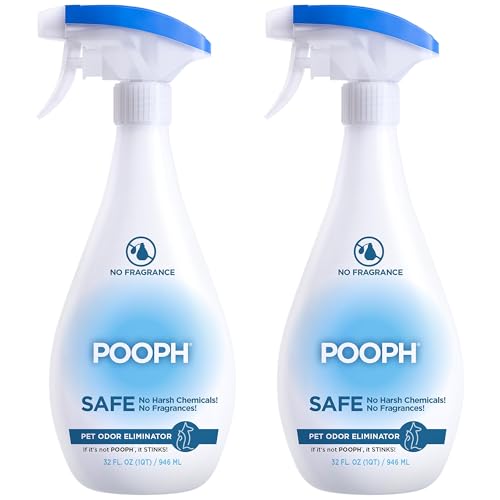
I recommend addressing challenging odors promptly to prevent them from setting in. An effective solution involves a mixture of white vinegar and water. Combine equal parts of each in a spray bottle, lightly mist the affected area, and allow it to sit for around 10 minutes. Blot the area gently with a clean cloth to absorb the liquid. This method not only neutralizes unwanted scents but also helps with cleaning the surface.
If the odors persist, consider using baking soda as a secondary approach. Sprinkle a generous amount over the problem area, allowing it to sit for several hours or overnight. Baking soda is known for its ability to absorb unpleasant aromas. Vacuum the area afterward to remove any residue.
For those who prefer store-bought solutions, enzymatic cleaners are a reliable option. These products are designed to break down organic substances, effectively eliminating odors at the source. Apply them according to the manufacturer’s instructions for the best results. Always conduct a patch test on a hidden area to ensure the cleaner does not damage the material.


Removing Odor from Upholstered Surfaces
I recommend using a solution of white vinegar and water to treat stained areas. Mix equal parts of vinegar and water in a spray bottle, then lightly spritz the affected spot. Let it sit for 10-15 minutes before blotting with a clean cloth.
After the vinegar treatment, sprinkle baking soda on the area. This will help absorb the remaining scent. Allow it to sit for several hours or overnight for maximum effect, then vacuum the excess baking soda away.
If the odor persists, consider using an enzymatic cleaner specifically designed for protein stains. These products break down the substances causing the unpleasant aroma. Follow the manufacturer’s instructions for best results.
For wooden items, mix a solution of mild soap and water. Wipe the surface with a damp cloth, then dry thoroughly. Apple cider vinegar can also effectively neutralize lingering smells–apply it with a cloth, allowing it to dry before assessing the result.
Lastly, placing a bowl of activated charcoal or coffee grounds nearby can help absorb any residual odor. Change these out regularly to maintain a fresh environment.
Identify the Affected Areas on Your Furniture
First, conduct a thorough inspection of your belongings. Pay attention to places where your pet frequents, often marked by strong odors. Use your nose; areas with lingering scents indicate possible trouble spots.
Check items with fabric coverings, such as couches and chairs. Look for stains or discoloration on the fabric, as these are telltale signs of trouble. If necessary, move cushions to get a clearer view. Solid surfaces may also be compromised, so run your fingers over these areas to feel for residue.
Don’t forget to inspect seams and crevices, where liquid may have seeped through. These hidden spaces might be retaining unpleasant odors. Use a flashlight for better visibility to ensure you miss no details.
In addition, examine the underparts of your pieces. Pets sometimes target overlooked areas, which may lead to unexpected issues. Familiarize yourself with these locations to address them effectively.
After identifying the problem spots, note their locations. This will help guide your cleaning process and ensure you’re tackling every affected area efficiently.
Choose the Right Cleaning Solutions for Cat Urine
Enzymatic cleaners work best for treating issues caused by feline waste. These products break down the organic matter, effectively neutralizing odors. Look for formulations specifically labeled for pet stains to ensure efficacy.
Non-toxic and eco-friendly alternatives include white vinegar mixed with water in a 1:1 ratio. This solution can eliminate unpleasant fragrances while being safe for most surfaces.
Baking soda also serves as a powerful deodorizer. After cleaning, sprinkle it on the treated area to absorb lingering scents and leave it overnight for maximum effect. Vacuum thoroughly after to restore the surface.
Citrus-based cleaners provide a pleasant fragrance and possess natural antibacterial properties. Ensure they are compatible with the material of your surface to avoid damage.
| Solution Type | Effectiveness | Surface Compatibility |
|---|---|---|
| Enzymatic Cleaners | High | Most surfaces |
| Vinegar Solution | Moderate | Safe for fabrics, check surfaces |
| Baking Soda | Moderate | Safe for most carpets and upholstery |
| Citrus Cleaners | Moderate to High | Check surface compatibility |
Always conduct a patch test with any new cleaning solution to ensure it does not damage the material. Follow the manufacturer’s instructions on application for optimal results.
Apply a Cleaning Mixture to Remove Odors
I mix equal parts white vinegar and water in a spray bottle. This solution effectively neutralizes unpleasant scents. I ensure to shake the bottle well before applying.
Next, I spray the mixture generously onto the affected areas. Allow it to penetrate for about 10-15 minutes. This gives the vinegar time to break down the odor-causing compounds.
Afterward, I blot the surface with clean paper towels or a microfiber cloth, absorbing excess liquid. It’s essential not to rub, as this might spread the issue.
I sometimes combine baking soda with the vinegar solution for added effectiveness. In this case, I sprinkle baking soda over the area after applying the vinegar mix. The interaction helps eliminate lingering odors.
After the initial cleaning, I leave the area to air dry completely. This process can take several hours, so I ensure good ventilation.
If the unpleasant scent persists, I repeat the cleaning procedure. Multiple applications often yield better results.
Once satisfied with the freshness of the area, I vacuum to remove any residual baking soda. This final touch leaves the surface clean and odor-free.
Use Enzyme Cleaners for Deep Odor Elimination
Enzyme-based solutions specifically target organic stains, breaking down the compounds that create persistent odors. I recommend selecting a product with a strong enzyme formula, as these cleaners effectively digest leftover urine, leaving no harmful residue behind.
Before application, ensure the area is thoroughly cleaned of any surface debris. Following this, apply the enzyme cleaner generously and allow it to penetrate the material for the time indicated on the packaging, usually ranging from 10 to 30 minutes. This waiting period is essential for maximum efficacy, allowing enzymes to work their magic.
For upholstery or fabric, it’s advisable to test the cleaner on a small, inconspicuous area first to check for any adverse reactions. After the enzyme treatment, blot the area with a clean cloth to absorb excess moisture. It may require a couple of treatments based on the severity of the odor, so persistence is key.
A good follow-up practice is to allow the area to air dry completely. Dehydration of the cleaner not only helps in removing any lingering scent but also allows for any remaining enzymes to continue working. Once dry, a light vacuuming may aid in restoring texture to the fabric.
For areas that receive frequent exposure to moisture or odor, consider repeating the enzyme treatment every few months, ensuring a consistently fresh environment and preventative maintenance against lingering odors.
Neutralize Remaining Odors with Household Products
Mix equal parts of water and white vinegar in a spray bottle. This solution acts as a natural deodorizer and can effectively break down lingering odors. Spray the affected area lightly and allow it to sit for about 10 minutes before blotting with a clean cloth.
Use Baking Soda
Sprinkle a generous amount of baking soda over the treated area. This compound absorbs moisture and odors. Let it sit for several hours or overnight, then vacuum thoroughly to remove any residue.
Lemon Juice Solution
Create a mixture of lemon juice and water in a spray bottle. The acidity in lemon juice helps neutralize unpleasant scents. Spray lightly over the area, then wipe with a damp cloth to remove excess liquid. Ensure the area dries completely to prevent any moisture-related issues.
Prevent Future Accidents on Furniture
Use deterrent sprays designed to discourage pets from marking territories. Apply them regularly to areas of concern, enhancing their effectiveness with consistent application.
Implement Behavioral Training
Establish routines and cues for your animal to indicate when they need to go outside. Positive reinforcement, such as treats for successful outdoor trips, encourages good habits.
Create a Safe Environment
- Designate specific zones within your home where pets can comfortably relax and play.
- Ensure litter boxes are easily accessible, clean, and placed strategically throughout your living space.
- Limit access to furniture by using gates or barriers, particularly in areas prone to accidents.
Regular vet check-ups can help identify any underlying health issues that may contribute to inappropriate behavior. Monitor and adjust to your pet’s needs for a harmonious living space.
Maintain Freshness of Upholstery After Cleaning
Regularly applying a fabric refresher can help to keep your upholstery smelling pleasant following deep cleaning. A mixture of equal parts water and white vinegar works wonders as a natural deodorizer. Lightly spritz the fabric and let it air dry to mitigate any lingering odors.
Utilize Baking Soda for Ongoing Odor Control
Sprinkling baking soda on the affected areas can absorb any residual scents between cleansings. Allow it to sit for several hours or overnight, then vacuum it up. This method not only neutralizes unwanted aromas but also refreshes the texture of the material.
Ensure Proper Ventilation
After cleaning, I always leave windows open or use fans to circulate air around the room. Good airflow decreases moisture and further assists in eliminating stubborn odors, promoting a fresher atmosphere within your living space.
Additionally, placing an air purifier nearby can help to filter out any remaining particles. Activated charcoal bags can also be beneficial; just hang them near the affected piece to absorb unpleasant scents over time.
Routine maintenance will greatly assist in preserving a pleasant fragrance and prolonging the lifespan of your upholstery. Stay diligent with checking for any signs of new stains or odors and act quickly to tackle them, ensuring a comfortable environment at all times.


