
 Caleb Turner
First, measure both the item and the passageway. Accurate dimensions play a crucial role in determining the best approach for moving bulky pieces. Use a tape measure to note the height, width, and depth of the object, along with the dimensions of the entrance it needs to pass through.
Next, assess the assembly of the larger piece. If possible, disassemble components such as legs or shelves. This simple step can provide extra inches of clearance and make the maneuver significantly easier. Keep track of all screws and parts to ensure reassembly is straightforward.
Consider angling the item. Most objects can fit through a tight opening when positioned diagonally. Tilt the piece to one side or the other, ensuring that the leading edge makes contact with the frame of the entrance before pushing through. This technique often creates the necessary allowance for movement.


Finally, don’t hesitate to enlist assistance. Moving bulky items is a labor-intensive task; having an extra pair of hands can make a world of difference. Communicate clearly with your helpers about your strategy and movement to ensure a smooth transition.
Measure the Furniture Dimensions
I always begin by taking precise measurements of each piece before attempting any movement. Use a measuring tape to confirm the length, width, and height to ensure there are no surprises later. It’s vital to include any protruding elements like handles or legs, as they can affect the fit.
Make a note of the dimensions in a dedicated space, whether on your phone or on paper, for easy reference. If the item contains adjustable parts, record both the expanded and contracted sizes. This data is critical for planning the movement.
Next, measure the entrance as well, focusing on the width and height of the passage. Compare these figures against the measurements of the item–this will determine if it’s feasible to maneuver the object without damage or complications.
In challenging scenarios, I sometimes disassemble components of the object if possible. This can dramatically reduce size and facilitate a more straightforward process. Ensure to keep track of any screws or parts removed, perhaps using a labeled bag for easy reconstruction later.
Measure the Doorway and Surrounding Area
First, I take precise measurements of the frame and floor space. Understanding both width and height is necessary to foresee potential challenges.
Steps for Accurate Measurement
- Using a tape measure, check the width of the frame at three points: the top, middle, and bottom. This accounts for any irregularities.
- Measure the height from the floor to the top of the frame. Include allowances for any obstructions like trim or molding.
- Consider the space in front of and behind the entryway. Clear paths are essential for maneuvering items effectively.
Clearances and Angles
Next, I assess the surrounding area for potential obstacles. Items such as furniture, curtains, or low-hanging light fixtures may hinder movement.
- Identify electrical outlets or switches that may be affected during movement.
- Take note of walls or furniture at sharp angles that could require creative positioning or alternative routes.
By meticulous measurement and evaluation of the area, I ensure a smoother process when moving large items into their new spaces.
Disassemble Furniture Parts If Possible
Removing separate pieces can significantly ease the movement through constricted spaces. Start by checking if the item allows for disassembly. Often, sections can be detached in ways that minimize bulk.
Follow these steps for efficient disassembly:
- Inspect the item for screws, bolts, or connectors that hold parts together. Use the appropriate tools to loosen and remove them.
- Take apart large components first, such as legs, backrests, or tabletop surfaces. This can make the overall volume smaller.
- Keep small hardware components organized by placing them in labeled bags to avoid losing pieces. This makes reassembly straightforward.
- Document the disassembly process with photos. Visual aids help in remembering how to put everything back together correctly.
For upholstered items, check if cushions or covers can be removed before handling the frame. This can reduce weight and facilitate easier maneuvering.
Common Furniture to Disassemble
- Bed frames: Remove slats, headboards, and footboards.
- Tables: Detach legs or tabletop sections.
- Sofas and chairs: Take off removable cushions and legs.
By disintegrating these structures, I can make the relocation process much smoother and less stressful. Always refer to the manufacturer’s instructions to avoid unintentional damage during disassembly.
Use Furniture Sliders for Easier Movement
Utilizing furniture sliders simplifies the task of relocating large items across different surfaces. These plastic or foam pads reduce friction, making it easier to push or pull objects without scratching floors.
Select the Right Sliders
Ensure you choose sliders that match the weight and size of the object. Heavy furniture requires thicker, sturdier sliders, while lighter pieces can work with thinner varieties. Assess the surface type–hardwood, carpet, tile–and select sliders designed for that specific flooring.
Placement Technique
Position the sliders under the legs or corners of the item. If an item has multiple legs, place a slider under each leg for balanced movement. For larger pieces, placing sliders in the center can help distribute weight evenly. This approach minimizes strain and enhances maneuverability.
By integrating sliders into the moving process, the task becomes more manageable, reducing the risk of injury and damage to the surroundings.
Rotate and Angle to Fit the Doorway
I recommend tilting and rotating the item as it approaches the entryway. Adjust the orientation gradually while observing the available space. This may involve raising one side or aligning it diagonally.
Start by positioning the piece of furniture at a 45-degree angle relative to the entrance. This can create a more favorable fit. Measure the height of the entryway; a slight tilt may allow the top edge to clear the doorframe.
Use an angle that optimizes the intersection between the depth and height of the object. If the item has a specific corner or protrusion, focus on maneuvering that part first to gauge movement through the threshold.
Consider rotating the piece around its center. This rotates forces can help guide the object in the desired direction without forcing it against the frame.
| Angle Position | Effectiveness | Clearance Height |
|---|---|---|
| 0° (Straight) | Limited | Standard clearance |
| 45° (Tilt) | Moderate | Increased clearance |
| 90° (Perpendicular) | High | Maximum clearance |
In some cases, a slight upward angle can create additional clearance, allowing the bottom corner to slide past the doorframe smoothly. Experiment with various positions while ensuring an even grip on both sides to maintain control.
Protect Items with Blankets or Pads
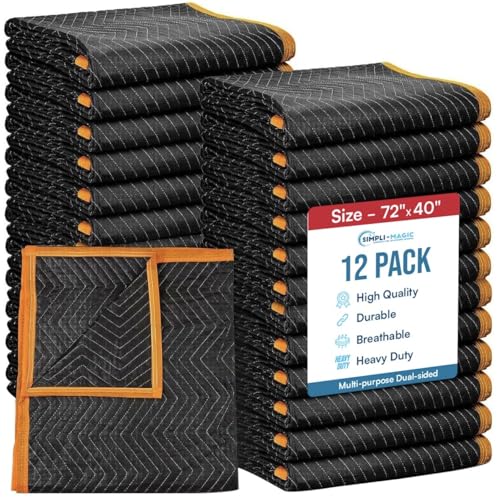
I recommend wrapping your pieces in moving blankets or pads to prevent scratches and dings during transport. Thick padding acts as a barrier against impact and minimizes the risk of damage to surfaces.
Secure the blankets with packing tape or straps to ensure they stay in place while maneuvering. Make sure corners and edges are well-covered, as these are often the most vulnerable areas.
If your piece is particularly valuable or delicate, consider using bubble wrap for extra cushioning in addition to the blankets. This combination protects against both surface damage and potential dents.
While preparing, take care to check that the blankets do not hinder visibility or handling. Strategically positioning the wrapped items can streamline the moving process and make it less cumbersome.
After completing the move, promptly remove the padding to assess for any potential damage–early detection can save on repairs later.
Utilize a Friend or Professional Movers’ Help
Recruiting assistance can greatly simplify the moving process. I often invite a friend or two, as they provide extra hands that can maneuver items with ease. If I’m dealing with particularly large or cumbersome belongings, I opt for professional movers. They have the experience and tools to manage challenging situations efficiently.
Before they arrive, I ensure everyone is aware of the plan. I communicate the measurements we’ve gathered, so we’re all on the same page regarding sizes and angles needed to fit through tight spaces. I also divide tasks among helpers, assigning roles based on strength and capability, ensuring that some are focused on lifting while others direct the movement.
When professionals handle the process, I observe their techniques. They often use dollies or ramps, which make the transition smoother. This insightful observation has improved my own methods with friends on subsequent moves. Additionally, I always express gratitude; a simple gesture can make a difference in encouraging future help.
In essence, don’t hesitate to call for more hands if needed. The right team can transform a challenging situation into a seamless experience, allowing for a stress-free relocation of my prized possessions.
Consider Alternative Entry Points
Evaluate other possible access points in your space. Think about windows, sliding glass doors, or even side entrances that might be wider. Sometimes a slightly larger opening can save a significant amount of time and effort.
If a window is feasible, measure its dimensions and check if it can be easily removed or opened. Be cautious about security and weather conditions when using this method.
Assess the path leading to the alternative entry. Ensure it is clear of obstacles and debris to facilitate a smooth transport process. If necessary, remove any temporary barriers such as screens or coverings.
Consider using a lift or hoisting equipment, especially if dealing with heavy items. Renting or borrowing a small crane could be an option if you’re facing significant challenges.
Engage neighbors or friends for additional ideas, as they may have encountered similar situations and could offer creative solutions. Collaboration can lead to discovering innovative ways to maneuver items without damaging them or your property.
Assess the Need for Custom Solutions
If standard techniques fail to achieve the desired result, consider tailoring a unique approach. Custom solutions may involve creating specialized tools or modifying the item itself. Evaluate the complexity of the piece: unique shapes or oversized dimensions might require professional alterations, such as reducing the size of certain components or adjusting the proportions for maneuverability.
Identify Areas for Modification
Focus on key components that can be safely altered without compromising structural integrity. For instance, removing cabinetry doors or cushioning elements can make a significant difference in facilitating movement. Analyzing weight distribution may offer insights into how to balance the item for better control during transit.
Engage with Professionals
When in doubt, consult with an expert who can provide tailored solutions suited to your specific situation. Skilled artisans or movers possess experience that can save time and prevent damage. They can design custom platforms or tools necessary for transporting challenging pieces, ensuring a smoother experience.
FAQ:
What techniques can I use to get a large sofa through a narrow door?
To move a large sofa through a narrow door, you can try several techniques. Firstly, measure both the sofa and the door frame. Tilting the sofa at an angle can sometimes provide enough clearance. Additionally, removing the legs or backrest of the sofa can help to reduce its overall size. If possible, consider disassembling the sofa into smaller parts, if it’s designed that way. Sometimes, you can also try to push it through sideways or diagonally. Using furniture sliders can make the process easier and protect your floors.
Are there any tips for avoiding damage to furniture or walls when moving through a tight space?
To avoid damage to both furniture and walls, it’s important to take your time and plan your moves carefully. Use protective coverings, such as blankets or bubble wrap, on the corners of your furniture. When you’re maneuvering the furniture, angling it slightly can help to avoid scraping against walls. Also, clear the area of any obstacles to give yourself enough room to work. Consider using moving straps or a dolly to distribute the weight evenly, making it easier to control.
What tools might be necessary for moving furniture through a narrow passage?
When moving furniture through a narrow passage, having the right tools can make the task easier. Some useful tools include moving straps for better grip and support, furniture sliders for easy maneuvering, and a dolly to transport heavier pieces. Additionally, having a set of screwdrivers and wrenches can be handy if you need to disassemble items. A tape measure will also help ensure that you understand the dimensions of both your furniture and the passage.
Is it advisable to hire professional movers for moving furniture through narrow doors?
Hiring professional movers can be a wise choice, especially if you’re concerned about damaging your furniture or property. Experienced movers are skilled in handling tricky situations like tight door frames and tight corners. They have the tools and techniques needed to move large or awkwardly shaped items safely. Additionally, if you have heavy furniture that could pose a risk to your safety, it’s best to leave it to the experts. However, if you’re confident in your ability to maneuver, you can certainly tackle it yourself with the right precautions.


