
 Caleb Turner

For optimal performance, I recommend selecting a clubhead angle between 9 and 12 degrees. This range provides a balance between distance and control, enabling a higher launch angle while maintaining an appropriate spin rate. I’ve found that beginners often benefit more from a slightly higher angle, around 10 to 12 degrees, to help lift the ball off the tee more easily.
As I explored this topic further, it became clear that experienced players may prefer a lower angle, closer to 9 or 10 degrees, to promote a flatter trajectory for greater roll once the ball lands. Adjusting the angle also allows for fine-tuning in response to specific playing conditions, such as weather or course layout. I always advise considering personal swing speed and launch conditions when making this choice.


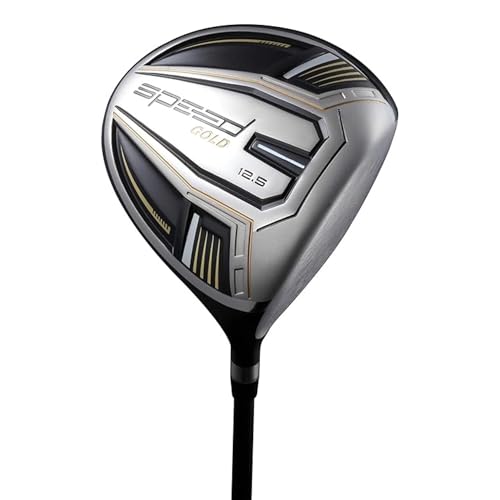
Lastly, I recommend experimenting with different options on the course or during practice sessions. This hands-on approach will help me determine what feels right and delivers the best results, ultimately enhancing my overall performance and enjoyment of the sport.
Recommended Loft Settings for My Club
If I’m looking for a launch angle of around 12 to 14 degrees, a loft angle between 9 and 11 degrees typically suits my swing speed, helping maximize distance. For those with faster swing speeds, opting for less loft, around 8 to 9 degrees, can promote a piercing trajectory. Conversely, if I have a slower swing, increasing the loft to 11 to 13 degrees ensures a higher launch, optimizing carry distance.
When assessing my needs, I focus on my preferred trajectory. A flatter ball flight often indicates a need for less loft, while a higher trajectory may require more. Experimenting with different settings during practice helps me find the optimal position. Adjusting the swivel helps tailor the club to my specific swing style, allowing for adjustments based on playing conditions.
Wind conditions also matter; more loft can help combat headwinds, whereas less can assist in windy situations. I’ve learned to adapt my choice according to the weather and course layout. Each round offers a chance to refine my choice further, ensuring I remain consistent on the course.
In summary, I rely on trends from my gameplay, including my swing speed and launch preferences, to determine the best loft angle. Adjustments based on environmental factors enable me to enhance my performance over time.
Understanding Driver Loft and Its Importance
The optimal angle of the clubface affects both distance and trajectory. For most players, this angle ranges between 8° and 14°. A lower angle generally provides a flatter trajectory, while a higher angle helps with added lift.
- Higher loft (12°-14°): Ideal for beginners or those with slower swing speeds. Produces higher ball flight and increased carry distance.
- Mid loft (10°-11°): Suitable for average players seeking balance between distance and control. Better for those with moderate swing speeds.
- Lower loft (8°-9°): Best for advanced players with fast swing speeds. Results in lower trajectory, maximizing distance on well-struck shots.
Understanding your release angle and swing speed is key to selecting the right angle.
Trackman data shows that a one-degree change in angle can lead to a significant difference in distance, often over 10 yards. Experiment with simulators to find your sweet spot.
Adjustable hosels allow for fine-tuning. Make use of this feature to observe how various angles impact your performance on the course.
- Test different angles during practice sessions.
- Analyze your launch conditions, including spin rate and ball speed.
- Seek feedback from a professional to refine your selection.
Factors Influencing Your Ideal Driver Loft
To find the appropriate angle for your club’s head, consider your swing speed, typical launch angle, and desired ball flight. These elements greatly influence performance on the course.
- Swing Speed: Generally, slower swing speeds benefit from higher angles to achieve optimal height and distance, while faster swings may require lower angles for better control and penetration.
- Launch Angle: Aiming for a higher trajectory can improve carry distance. Examining your current launch angle gives clues on whether an adjustment is necessary.
- Ball Spin: High spin rates can lead to a ballooning effect, hindering distance. Adjusting the angle can help refine spin and improve overall distance.
- Course Conditions: On tighter layouts, a lower angle may provide accuracy off the tee, while more generous courses could allow for higher settings to maximize length.
- Player Level: Beginners often benefit from a higher angle, while advanced players might prefer lower settings to shape shots more effectively.
Regularly assessing these factors can lead to improved consistency and performance, enabling informed adjustments to your equipment for better results.
How Loft Affects Ball Flight and Distance
The right angle of the clubface directly influences the trajectory and distance of the ball. Selecting an angle that matches my swing can enhance both carry and roll, optimizing performance on the course.
Trajectory Modification
A higher angle tends to produce a higher launch, which can be beneficial for maximizing carry distance, especially for golfers with slower swing speeds. Conversely, a lower angle promotes a lower ball flight, which may be advantageous in windy conditions. Here’s how angles affect trajectory:
- 10° – 12°: Ideal for slower swing speeds, promoting greater launch.
- 8° – 9°: Aimed at stronger players seeking lower launch for added control.
- Adjustable angles: Allow for fine-tuning based on conditions and personal preference.
Distance Impact
Launch angle plays a significant role in total distance. An optimal launch angle combined with proper spin results in maximum distance. Key points include:
- Higher angles increase the likelihood of carry distance, especially on softer greens.
- Lower angles optimize roll-out, benefiting players with faster swing speeds and solid contact.
- Maximum distance often occurs at a launch angle between 12° and 15° for most amateur players.
By experimenting with various angles, I can tailor my equipment to achieve the desired flight path for specific conditions, ensuring greater accuracy and distance during play.
Choosing the Right Loft for Your Swing Speed
For optimal performance, I recommend selecting a club with a loft that complements your swing velocity. Players with slower swings, typically below 85 mph, often benefit from a higher loft, ranging from 10.5 to 12 degrees. This setup promotes a higher launch angle, aiding in maximizing carry distance.
Conversely, golfers with swing speeds exceeding 105 mph tend to achieve better results with a lower loft, such as 9 to 10 degrees. This configuration helps in reducing backspin and facilitates a penetrating ball flight, enhancing distance.
| Swing Speed (mph) | Recommended Loft (degrees) |
|---|---|
| Below 85 | 10.5 – 12 |
| 85 – 95 | 9.5 – 10.5 |
| 95 – 105 | 9 – 10 |
| Above 105 | 8 – 9 |
Adjusting the angle to suit individual swing characteristics can dramatically influence performance. Testing different configurations during practice sessions helps me identify what feels most comfortable and delivers optimal results on the course.
Adjustable Lofts: Pros and Cons
Investing in adjustable angles provides flexibility for tailoring equipment to personal preferences. It allows for precise modifications, accommodating changes in swing or conditions. This adaptability can be particularly beneficial when playing on various courses or under different weather scenarios.
However, the complexity of adjustable options might be overwhelming for some. Understanding how each setting impacts performance takes time and practice. Furthermore, regular adjustments may lead to inconsistencies if the player doesn’t consistently recalibrate for optimal results.
On the positive side, adjustable angles can enhance shot shaping capabilities, allowing for precision draws or fades based on situational needs. This feature caters to individual playing styles, potentially improving overall outcomes. Coupled with increased launch angles for particular swings, these benefits can translate into improved distances and trajectory.
Conversely, frequent changes can lead to confusion and uncertainty in practice and competition. Players might experience the temptation to adjust too often, leading to a lack of confidence in their setup. Establishing a baseline preference is crucial before experimenting with various configurations.
Ultimately, weighing the advantages against the drawbacks guides toward a more informed decision. Experimenting in practice rounds can highlight the practical benefits while ensuring that I’m comfortable with the adjustments made.
Common Loft Settings for Different Skill Levels
For beginners, a 10.5 to 12-degree angle usually simplifies ball flight, promoting a higher trajectory and more distance. This range helps in achieving consistency and accuracy off the tee, minimizing the chance of slicing or hooking. I recommend starting with 11 degrees as a balance for distance and control.
Intermediate Players
As I progress in my skills, I find that adjusting the angle to 9 to 10.5 degrees becomes beneficial. This lower setting supports a penetrating ball flight and increased roll on the ground, which is often preferred as I develop a stronger swing. Players in this category often witness better distance control and increased accuracy with these settings.
Advanced and Professional Levels
For experts, settings in the range of 8 to 9 degrees allow for maximum distance and a lower launch angle. This is ideal for those who generate high swing speeds, as it capitalizes on their abilities to achieve optimal ball speeds. I notice that fine-tuning to 8.5 degrees might yield the best results for those looking to maximize performance on the course.
Ultimately, the ideal angle varies with each individual’s style and preferences. Regular adjustments based on performance data can lead to significant improvements in play.
Testing Different Loft Angles on the Course
I recommend taking several clubs with varying angles during practice rounds to identify which setups yield the best results. Start at the lower end, around 8 to 9 degrees, to see how it affects your launch trajectory and distance. Gradually increase to higher angles like 10 to 12 degrees, monitoring how these adjustments alter ball flight and roll.
Use a launch monitor, if available, to gather data on spin rates and launch angles. I’ve found that recording these metrics helps in making informed decisions based on consistent patterns observed during play. Additionally, pay attention to how each angle performs in different conditions–wind, wet grass, or firm ground can alter distance significantly.
Taking notes on your results can aid in refining your preferences for future rounds. After testing, it’s useful to compare your earlier performances with the newfound insights gained from the angle adjustments. This practice not only boosts confidence but helps determine a reliable setup that fits individual swing characteristics.
Ultimately, understanding how each variation fits into your overall strategy will enhance not just performance but enjoyment during the game. Adjusting to what works best will take some time, but experimenting is key to discovering the optimal angle for success on the course.
Consulting with a Professional: When to Seek Help
Consider enlisting the expertise of a knowledgeable coach or club fitter if I find myself struggling with consistency in my long-range shots. Their insights can pinpoint specific adjustments tailored to my unique swing mechanics.
When I notice that my ball trajectory consistently falls short of expectations or veers off course, this may signal the need for professional guidance. An expert can analyze my stance and swing dynamics, offering targeted advice on optimizing equipment to enhance performance.
If I’m uncertain about my current specs or suspect my settings do not align with my playing style, discussing my options with a qualified technician can clarify the ideal specifications for my needs. They employ advanced tools and techniques to gauge performance metrics, ensuring that I’m matched with the right gear.
During a fitting session, it’s beneficial to request demonstrations of how various setups influence the ball’s behavior. Observing these differences in real-time can provide valuable insights that I may not have considered.
Lastly, if I remain frustrated despite making adjustments, seeking feedback from a professional can reignite my enthusiasm. A fresh perspective often reveals aspects I might overlook, helping me regain confidence and improve my overall play.
Maintaining Your Club for Optimal Performance
Regular cleaning is non-negotiable. After every round, I wipe down the face and body with a damp cloth to remove dirt and grass. This prevents debris from affecting my shots and ensures the striking surface remains effective. For deeper cleans, a soft-bristled brush works wonders on the grooves.
Inspecting the grip frequently is crucial. Worn grips can lead to inconsistent shots. I replace mine every season or sooner if I notice any signs of wear or slippery texture. Keeping them clean with mild soap and water prolongs their life as well.
Storage Practices
Proper storage is key to ensuring longevity. I store my equipment in a cool, dry place, avoiding extreme temperatures which can damage materials. Using a headcover protects the clubface from scratches and impacts when not in use.
Regular Assessments
Every few months, I assess the condition of my clubs. Looking for dents or signs of degradation is essential. If I spot significant damage, consulting with a professional for possible repairs or replacements is the next step.
| Maintenance Task | Frequency | Notes |
|---|---|---|
| Cleaning | After every round | Use a damp cloth and brush |
| Grip Inspection | Monthly | Replace as needed |
| Storage Check | Seasonal | Avoid extreme temperatures |
| Condition Assessment | Every three months | Check for dents or wear |


