
 Caleb Turner

One of the simplest solutions I found involves using double-sided tape. The sticky texture proves unappealing for my furry companion, deterring them from jumping onto surfaces I want to protect.
Creating a designated area for play works wonders. I set up a cozy corner filled with toys and chew materials, which diverts their attention from furniture. This not only keeps them occupied but also ensures they have a safe space to explore.
Blocking access is another practical approach. I rearranged furniture to limit their paths and installed gates in strategic locations. This physical barrier minimizes the chances of them reaching forbidden areas.
Consider scents that repel; citrus sprays are particularly effective. Applying a light mist on the edges of tables or chairs helps maintain a distance, as many rabbits dislike the smell.
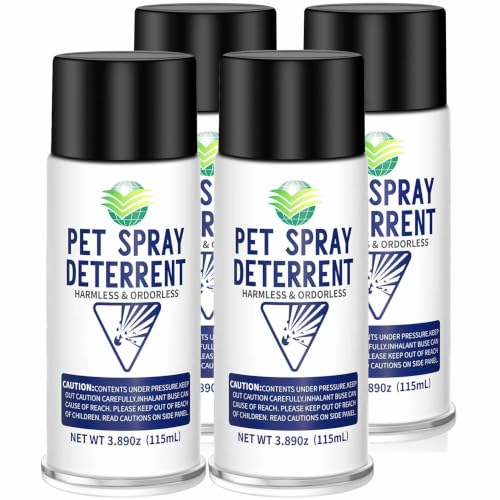


Offering enticing alternatives is key. I provide chew toys or cardboard boxes around the house; this ensures they have suitable items to gnaw on, drawing them away from inappropriate targets.
Methods to Deter Bunnies from Climbing on Surfaces
Utilize double-sided tape on areas where you notice your pets frequent. The sticky texture can discourage them from leaping onto the undesired spots.
Introduce alternative resting places. Plush beds or soft mats specifically for your companions can draw their attention away from higher elevations.
Consider using citrus-scented sprays around the areas of concern, as many animals are averse to citrus fragrances. Regular application can reinforce this deterrent effect.
Install physical barriers, such as decorative screens or nets, to block access to spots you want to protect. Ensure they are secure and not easily movable.
Regularly monitor your companions’ behavior. Identifying patterns can help you predict when they’re most likely to jump onto surfaces, allowing you to intervene proactively.
Provide ample exercise opportunities. Interactive toys or tunnels can engage your pets, reducing their desire to explore unauthorized areas.
Lastly, consider positive reinforcement. Reward preferred behaviors, which can encourage your companions to remain in designated spots, steering clear of places you want to protect.
Creating a Rabbit-Free Zone in Your Home
Establish designated areas within your living space that are off-limits to fluffy companions. This not only protects various surfaces but also gives your pets a secure environment tailored to their needs.
Designated Spaces
Choose a specific room or portion of your home to function as a rabbit-free area. Ensure that this space is absent of tempting items that might attract them. Use closed doors or baby gates to effectively restrict access.
Divert Attention
- Introduce enrichment activities in the designated zone, including toys and tunnels.
- Utilize treats to lead them to approved play areas, reinforcing positive behavior.
- Remove any appealing items from spaces you wish to safeguard, such as blankets and cushions.
Regularly monitor the boundaries you’ve set, making adjustments as necessary. This proactive approach helps maintain these vital zones within your home.
Understanding Rabbit Behavior and Motivation
To manage the activity of these small creatures, it’s vital to recognize their natural inclinations. One primary aspect of their behavior is curiosity; they explore everything. Their tendency to chew arises from instinct, aiding dental health while also acting as a stress reliever.
Key Motivations
Identifying why these animals venture onto sections of our living spaces can help in crafting effective strategies:
| Motivation | Description |
|---|---|
| Curiosity | New environments trigger exploration tendencies. |
| Comfort | Soft surfaces mimic natural burrowing, attracting them. |
| Social Interaction | Their desire for companionship leads them to engage with their surroundings. |
| Attention Seeking | They often seek to capture human attention through their antics. |
Behavioral Patterns
Recognizing distinct behaviors can aid in directing their attention away from unwanted areas:
- Jumping and climbing are natural, highlighting the need for vertical spaces.
- Digging instincts may lead them to scratch at surfaces.
- Nesting behaviors encourage them to seek enclosed spaces, drawing them toward couches or beds.
With this understanding, I can create an environment that caters to their needs while discouraging unwelcome activities. Employing physical barriers, distractions, and positive reinforcement techniques can help reorient their focus effectively.
Using Deterrents to Keep Rabbits Away
Utilizing scent-based deterrents is an immediate tactic. Strong smells like vinegar, citrus, or essential oils can make areas unappealing. Mix water with vinegar or citrus peels and spray around the targeted zones.
Physical Barriers
Setting up physical barriers can dissuade furry intruders. Installing mesh fencing or gates can create a defined boundary. Ensure the fence is tall enough, at least 2 feet, and buried 6 inches underground to prevent digging.
Sound Devices
Employing sound deterrents can also protect your belongings. Ultrasonic devices that emit frequencies beyond human hearing can disrupt their comfort in specific zones.
| Type of Deterrent | Description | Advantages |
|---|---|---|
| Scent-Based | Vinegar, citrus, and essential oils | Easy to apply, natural |
| Physical Barriers | Fencing and gates | Long-term solution, visible boundary |
| Sound Devices | Ultrasonic emitters | Non-invasive, silent for humans |
Adjusting the environment further by introducing unwelcoming elements, such as prickly mats or uneven surfaces, can create discomfort. Non-toxic repellents available at pet stores can also support these efforts.
Designing Alternative Spaces for Your Rabbit
I recommend creating dedicated areas tailored for your pet’s comfort and activity. Utilize exercise pens or large, enclosed spaces where they can freely explore without access to other areas of your home.
Add soft bedding, hay, and tunnels within these zones. Incorporating a variety of textures stimulates their natural instincts and encourages interactive play.
Introduce chew-friendly toys and boxes to channel their energy away from inappropriate items. Rotate these toys periodically to maintain engagement and interest.
Consider planting a small indoor herb garden, featuring rabbit-safe plants like basil or cilantro. This can provide a fresh treat while keeping them engaged and away from household items.
Utilize vertical space by incorporating shelves or platforms within their zone. This allows for climbing and exploration, catering to their curiosity.
Using partitions can effectively separate their designated area from your living space. Clear indicators help them understand boundaries, reducing the temptation to wander.
Consistency plays a significant role; routinely redirect them towards their area when they approach off-limits spots. This helps reinforce the designated spaces as their own. Through thoughtful design, I found that my pet’s happiness increased significantly while protecting my furnishings.
Implementing Physical Barriers Around Furniture
To prevent our furry companions from accessing certain spots, I utilize various physical barriers that create an effective shield. Here are some strategies I’ve found beneficial:
Using Furniture Covers
- Invest in slipcovers or protective throws. They act as a barrier while protecting upholstery.
- Select textiles that are less appealing for chewing, such as canvas or synthetic fibers.
Strategic Placement of Objects
- Position larger items like bookshelves or cabinets in front of easily accessible areas.
- Place decorative items that are not hazardous atop surfaces; they create an unwelcoming environment.
Using Crates or Gates
- Install gates or use large crates to restrict access to specific rooms where prized furnishings reside.
- Ensure that any barrier is high enough, as these animals can jump surprisingly well.
By implementing these methods, I’ve significantly reduced unwanted visits to delicate areas, creating a more harmonious living space for both my pets and me.
Training Your Rabbit to Avoid Furniture
Begin by establishing a consistent command that signals your companion to stay away from specific areas. Choose a simple word like “no” or “stop,” and use it consistently when they approach prohibited items.
Reinforcement Techniques
Utilize positive reinforcement methods to encourage desired behavior:
- Offer treats or praise immediately when your pet stays away from the targeted zones.
- Gradually increase the distance from the furniture where they receive rewards.
- Incorporate clicker training to mark good behavior effectively.
Setting Boundaries
In addition to verbal cues, physical boundaries can be effective:
- Use a leash during training sessions to direct their movement away from off-limit areas.
- Implement short sessions of training throughout the day to reinforce learning without overwhelming them.
- Be patient; behavior modification takes time. Consistency and persistence are key.
Eventually, your pet will learn to associate the command with staying clear of your desired areas, leading to a more harmonious living space.
Maintaining a Clean and Clutter-Free Living Space
Decluttering is crucial for a serene environment. Begin by regularly assessing each area and removing items that are no longer needed. Establish designated spaces for belongings to minimize chaos. Consider using storage solutions such as baskets or bins, which can keep surfaces tidy and reduce temptation for those furry friends.
Routine Cleaning Practices
Implement a consistent cleaning schedule, focusing on high-traffic areas. Vacuum and wipe down surfaces to eliminate stray fur and droppings. Keeping the environment clean discourages any interest in inappropriate areas. Utilize safe cleaning products suitable for small animals to ensure a healthy space for all occupants.
Organizing with Purpose
Prioritize organization by categorizing personal items. Use shelves and organizers to elevate belongings off the ground. This approach not only beautifies the space but also limits access to surfaces that might attract curiosity. Additionally, creating zones for activities can help delineate appropriate areas for play, preventing distractions and reducing the likelihood of unwanted behaviors.
Consulting with a Veterinarian for Behavioral Issues
Before taking further steps, I recommend seeing a veterinarian. They can assess whether problematic actions stem from health issues. Conditions like dental problems or infections may lead to unexpected behaviors. A thorough examination could reveal underlying medical concerns that might be exacerbating the situation.
Behavioral Evaluation
A vet can provide insights into normal versus abnormal habits. Understanding typical behavior helps pinpoint what might be out of the ordinary. If the vet suspects anxiety or stress-related actions, they may suggest strategies or refer to a specialist in animal behavior.
Recommendations for Treatment
Once the evaluation is complete, a veterinarian might recommend specific behavioral therapies or environmental changes. Suggestions could include more enrichment activities, dietary adjustments, or even medication in severe cases. Always follow their guidance for the best outcomes.


