Caleb Turner

For golfers looking to enhance their short game, choosing clubs with appropriate angles is essential. A club designed to fill distance gaps between pitching and sand clubs typically has an angle ranging from 50 to 54 degrees. This measurement enables effective shots from various lies, particularly within 100 yards of the green.
In practice, I have discovered that using a club in this angle range significantly aids in tackling approach shots and delicate chips. It allows for a better grip on the ball, catering to a variety of situations on the course. The benefits become evident when addressing different lies–be it a tight fairway or a grassy fringe.
From personal experience, I recommend experimenting with various options within this range to find what suits your style and swing. Pay attention to the feel and feedback during practice sessions, as these factors can greatly influence your performance on the course.
Understanding the Gap Wedge Purpose
For precise short game execution, using a club with an elevation around 50-54 degrees greatly benefits my approach. It bridges the distance between pitching and sand clubs effectively, filling a crucial gap in my set. This allows for versatile shot-making from various lies, especially when accuracy is paramount.

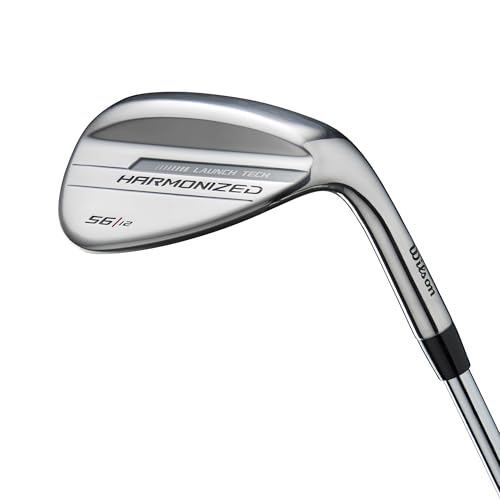
The design focuses on a moderate bounce, which aids in better turf interaction, reducing unwanted digging into the ground. This club shines from tight lies and offers control on delicate shots requiring a softer touch.
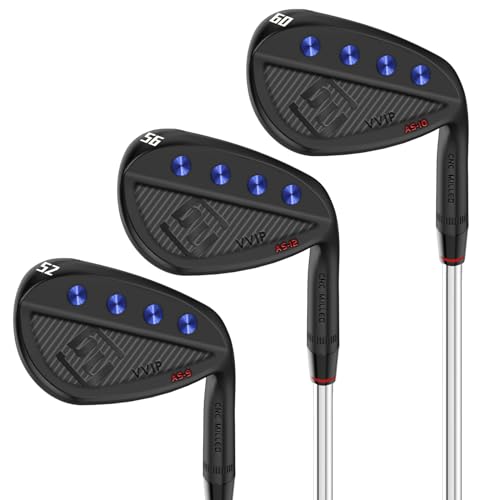
I often reach for this tool on approach shots from 100-125 yards, providing just enough height to carry over hazards while still landing softly on the green. Additionally, its utility extends to chipping around the greens, enabling both pitch and run scenarios due to its balanced nature.
In windy conditions, its increased lift helps counteract gusts, keeping my shots on track. When developing skills, incorporating this club into practice routines enhances my short game, promoting consistency and confidence in various situations.
Common Loft Angles for Utility Clubs
For utility clubs in most sets, loft angles typically range from 50 to 54 degrees. This positioning offers players a unique distance option, bridging the gap between nine iron and sand iron. I find that a 52-degree model is a popular choice for many golfers, balancing distance and control effectively.
Performance Factors
Choosing an angle often depends on personal swing characteristics and the desired shot type. A higher angle tends to provide more elevation and softer landings, ideal for approach shots into greens. Conversely, lower angles can produce greater distance but might sacrifice some control and spin. I recommend testing different angles to understand how each impacts your game, especially in varying course conditions.
Customization and Preference
Custom fittings can also enhance performance. Adjustments can create unique configurations that suit individual swing dynamics. Players should consider personal comfort with certain angles and verify how they interact with their entire club set, ensuring cohesive performance from tee to green. Through experimentation, I’ve identified specific lofts that harmonize well with my playing style, which can significantly influence overall shot consistency.
How Gap Wedge Loft Influences Ball Flight
Understanding how angle of a club affects trajectory is key to optimizing your shots. Typically ranging between 50 and 54 degrees, the elevation of the clubface directly impacts both launch angle and spin rate, ultimately affecting distance and control.
Launch Angle and Distance
A higher elevation promotes a steeper launch, making it easier to achieve a higher ball flight. This is particularly advantageous for approach shots, where precision is essential. For example, using a 52-degree tool results in a higher trajectory compared to a 48-degree variant, allowing for better stopping power on greens.
Spin Control
Another crucial aspect is the interaction between the clubface and the ball. Increased angle usually enhances spin, leading to improved control on delicate shots. A tool with a 54-degree angle can generate more backspin, helping to stop the ball quickly on the putting surface. In contrast, a lower elevation produces less spin, which may be suitable for longer approaches where roll-out is desired.
In practice, adjusting your equipment to suit the elevation changes can drastically improve performance. Assess your shot types and conditions, and choose tools that enhance both accuracy and distance based on your specific needs.
Choosing the Right Loft for Your Game
Selecting an appropriate angle is pivotal for optimizing performance. For those who tackle approach shots between pitching and sand tools, aiming for a range of 50 to 54 degrees enhances versatility and precision.
For players who desire higher trajectories or increased stopping power on greens, considering a model at the higher end of that spectrum may be beneficial. Conversely, if control over distance is a priority, opting for a lower degree option can deliver more roll on landing.
Evaluating personal strengths and weaknesses is crucial. If I often find myself short on approaches, a higher lofted option will help, while if I’m consistently over, leaning towards a lower degree may offer more consistency in distance control.
Testing different models on the range allows for better understanding of how each angle affects ball trajectory and spin. Observing launch angles and post-impact behavior offers valuable insights for refining my selection.
Ultimately, matching the chosen angle to my skill level, swing speed, and playing style enhances my overall effectiveness on the course. Adjusting my arsenal based on these factors enables me to optimize my performance as I progress in my abilities.
Gap Wedge vs. Other Wedges: A Comparison
Choosing the right short game club can significantly affect performance on the course. Each type of club serves a distinct purpose, and understanding their differences can guide selection.
Comparison Chart
| Type of Club | Typical Angle Range (Degrees) | Primary Use |
|---|---|---|
| Pitching Iron | 44-48 | Longer approach shots |
| Gap Club | 50-54 | Short approach shots and full swings |
| Sandy Tool | 54-58 | Sand shots and tricky lies |
| Lob Club | 58-64 | High, short shots over obstacles |
In my experience, the varying angles directly influence how each club interacts with the ball, particularly concerning height and distance. A pitching iron is typically used for longer approach shots, while a sandy tool assists with specific situations near hazards. The lob club is particularly beneficial for executing high shots when facing obstacles.
When selecting tools for your bag, consider how you typically approach shots at different distances. If I find myself often lacking in precision with shorter distances, adding a gap club bridges the gap between traditional irons and specialty clubs. This crucial addition can lead to improved accuracy and better scoring opportunities in tight approaches.
Understanding these distinctions ensures that I choose the right tools for various scenarios on the course, something that can be decisive during play.
Adjustable Lofts: Customizing Your Gap Wedge
Consider trying adjustable models to fine-tune the angle of your club for optimal performance. These options allow for precise alterations according to your swing style or course conditions.
Benefits of Adjustable Head Design
- Fine-tuning for specific scenarios, such as wind conditions or course elevation changes.
- Ability to match your desired shot shape, whether you prefer a flatter trajectory or a higher launch.
- Flexibility to accommodate your skill progression, adapting as your technique evolves.
How to Adjust and Experiment
Start by testing various settings at your local practice range. Use a launch monitor to gather data on your shots, observing differences in distance, spin, and dispersion. Experiment with small increments to identify what provides the best results for your game.
Consult with a professional fitter for more personalized adjustments, ensuring that your selections align with your overall strategy on the course. This tailored approach can be a significant factor in improving your scoring potential.
Impact of Loft on Distance Control
Choosing an angle for your clubface significantly affects how far the ball travels. Higher angles generally produce a shorter carry distance due to increased lift, while lower angles lead to a flatter trajectory and more distance. A well-selected angle balances trajectory and distance, allowing for optimal performance on various shots.
Optimizing Your Swing Techniques
Adjusting your swing mechanics can maximize the benefits of your club’s angle. An upward strike with a higher angle can produce greater altitude and shorter distance, while a sweeping motion with a lower angle promotes a penetrating flight path, enhancing distance. Practicing different swing styles can help in understanding how these angles play into your overall game strategy.
Analyzing Course Conditions
Consider the course conditions when selecting an angle to ensure distance control. Firm greens may require a more penetrating shot, best suited for a lower angle to prevent excessive roll. Gaining insight into various lies, wind conditions, and green firmness enables you to make informed decisions about which clubface angle to utilize for each situation.
How to Measure the Loft of Your Gap Wedge
To determine the angle of your short iron, utilize an adjustable protractor or a digital loft gauge. Place the club in an upright position against a flat surface, ensuring the sole is parallel. Align the gauge with the clubface and note the measurement indicated.
Follow these steps for accurate results:
- Ensure the area is level to avoid skewed readings.
- Remove any grips or attachments that might obstruct the measurement.
- Hold the club firmly at the grip end for stability.
For those without specialized tools, you can use a smartphone app designed for club measurement, allowing for convenience with technology.
If you have multiple clubs, consider measuring each one to establish consistent angles across your set. Pay attention to any variations, as this can impact your approach and distance control.
Regularly checking angles helps maintain club performance and can inform decisions when considering modifications or new purchases. Keep a record of the measurements for future reference.
Recommendations for Gap Wedge Usage on the Course
To effectively utilize this club, always assess your distance from the pin. This tool excels in close-range situations, typically between 100 to 120 yards. For shots from this range, it can help you achieve a more controlled approach, allowing for better accuracy toward the target.
Practice open-face techniques for delicate chips or flops. This angle changes can create higher trajectory shots with softer landings on the green, ideal for navigating obstacles or tight pin placements. Consistent practice with this club will enhance your feel and confidence for these types of shots.
Utilizing for Bunkers and Rough
In sandy areas, an open club face can also assist in escaping tricky lies. Approach the ball with a slightly steep angle and a little more acceleration through impact. Extend your follow-through for improved distance control. For shots from thick grass, ensure you focus on making solid contact with the ball, avoiding excessive grass interference.
Wind Considerations
Adjusting your strategy according to weather conditions is vital. On windy days, aim to keep your ball lower by adopting a more closed clubface. This method minimizes the impact of gusts, enhancing accuracy and distance. Understanding how to manipulate your swing with this club according to wind direction and intensity will improve your overall performance on the course.