Caleb Turner
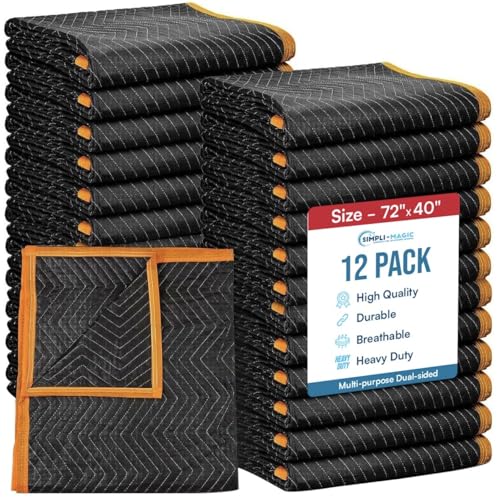
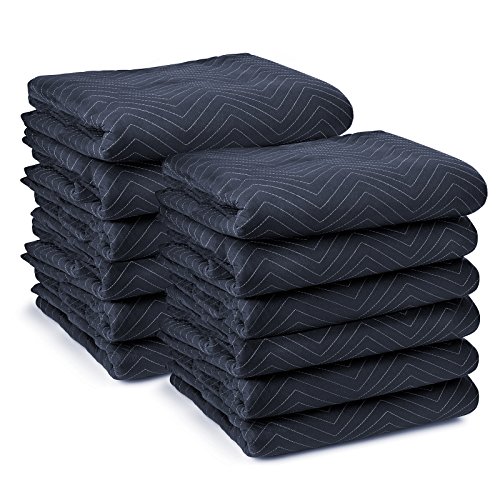
First, gather high-quality packing materials. I recommend sturdy moving blankets and plastic wrap, which provide a solid layer of protection against scratches and dents. Make sure to secure each piece tightly using adhesive tape to prevent any movement.
Next, disassemble larger items whenever possible. This reduces the risk of damage and facilitates easier handling. Keep screws and small parts in labeled bags so that reassembly is straightforward upon arrival at your new location.
Wrap each individual piece with care, ensuring that corners and edges receive extra cushioning. Bubble wrap can be particularly useful for delicate surfaces. For added security, use a combination of soft materials and hard boxes to create a protective barrier that absorbs shocks during transit.
Finally, label your boxes clearly. Indicate the contents and any specific handling instructions. This not only helps in organizing the unpacking process but ensures that everyone involved in the move understands how to treat each item with care.
Protecting Wooden Items During Transport
Begin with thick blankets or moving pads. Drape them over the surfaces and secure with packing tape to keep them in place. This method absorbs shocks and prevents scratches.


Use bubble wrap for delicate areas such as corners and edges. Wrap them tightly, avoiding excessive pressure that could cause dents. Reinforce these sections with tape to ensure they stay covered.
Securing Hardware and Accessories
Remove any detachable components such as knobs, legs, or shelves. Store them in labeled bags to prevent loss. Wrap larger pieces in protective materials to keep them secure during transport.
Stacking and Arranging for Transit
Place heavy items at the bottom of the moving vehicle to create a stable base. Avoid packing them too tightly to minimize pressure and potential damage. Align lighter pieces on top, ensuring they are also securely protected.
Choosing the Right Packing Materials for Wood Furniture
I recommend using high-quality packing materials to ensure safety during transit. Begin with bubble wrap; it provides cushioning and absorbs shocks effectively. Wrap individual pieces to protect against scratches and dents.
Next, opt for moving blankets. These thick pads guard against damage caused by impact and rubbing during transport. Secure them with packing tape, which should also be used to secure the bubble wrap.
Cardboard boxes are useful for smaller components like drawer pulls or detachable legs. Choose sturdy boxes to prevent collapsing under weight, and fill any gaps with packing paper or foam peanuts to minimize movement.
Polyethylene foam sheets offer another layer of protection. They are excellent for wrapping corners and edges, which are often the most vulnerable areas. Consider corner protectors made from cardboard or foam as well.
Lastly, mark all boxes clearly. This ensures everything is handled with care and makes unpacking easier. By selecting appropriate materials and using them wisely, I can safeguard my belongings throughout the relocation process.
Preparing Wood Furniture Before Wrapping
Inspect every piece meticulously. Look for any loose screws, damaged parts, or joint weaknesses. Tighten screws and bolts to ensure stability during transport.
Remove any removable components such as legs, shelves, or cushions. Keeping them separated minimizes the risk of damage.
Clean surfaces with a gentle wood cleaner. This ensures no dust or debris interferes with protection layers during the transit.
Apply a thin layer of furniture polish or wax to enhance the finish and provide a protective barrier against scratches.
Use blankets or soft cloths to cover delicate edges and surfaces. This adds an extra layer beneath any protective sheeting.
Take measurements of oversized items. This will assist in evaluating space in the moving vehicle and help in planning the arrangement.
Label each piece clearly. For example, indicate “fragile” on easily scratched surfaces or delicate items. This ensures careful handling by movers.
- Tighten any loose screws and bolts.
- Detach components and pack them separately.
- Clean surfaces with a suitable cleaner.
- Apply polish or wax for added protection.
- Wrap delicate parts with blankets or cloths.
- Measure larger pieces for proper space planning.
- Clearly label items to avoid mishandling.
Follow these steps meticulously to enhance the protection of your valuable items during the relocation process.
Step-by-Step Guide to Wrapping Different Wood Furniture Pieces
Begin with tables. Remove any detachable components like legs or leaves. Clean the surface thoroughly, then layer it with a protective blanket. Secure everything with packing tape, ensuring corners are well-covered. Use cardboard or bubble wrap for any protruding edges to prevent damage.
Chairs and Sofas
For chairs, disassemble them if possible. Wrap each part separately in bubble wrap, focusing on arms and legs. Use moving pads to cover the seat and backrest. Sofas should be shielded with stretch film, starting from the bottom and working upwards. Ensure the fabric remains tight to reduce the likelihood of tears.
Cabinets and Dressers
With cabinets, empty all drawers and secure them shut with tape. Protect the surfaces with blankets, and use stretch film around the entire piece, keeping it snug. For larger drawers, wrap each individually and place cushioning material inside to prevent sliding.
| Furniture Type | Preparation Steps | Wrapping Tips |
|---|---|---|
| Tables | Remove legs and clean surface | Use blankets and tape for corners |
| Chairs | Disassemble if needed | Wrap each part and secure with tape |
| Sofas | Cover with blankets | Use stretch film tightly |
| Cabinets | Empty drawers and secure | Wrap with stretch film for protection |
Always label each package to simplify the unpacking process. Protect delicate elements with extra padding and keep all pieces organized for a smoother transition to your new location.
Protecting Edges and Corners of Wood Items
Invest in quality corner protectors. These can shield vulnerable edges from dents and scratches during transport. Look for options made from foam or rubber that can easily conform to different shapes.
Methods for Enhanced Protection
- Use cardboard corner guards. Cut pieces of thick cardboard to fit around the edges and secure them with tape.
- Wrap edges with bubble wrap. This cushioning material provides an additional layer of defense against impact.
- Employ moving blankets to cover the entire piece, ensuring that the edges are doubly protected. Tape the blanket in place to prevent slipping.
Final Touches
Before placing items in the moving vehicle, check that all corners and edges are well-protected. Make adjustments as necessary. It’s beneficial to secure any protective materials with packing tape to prevent movement during transit. A final inspection ensures peace of mind for the journey ahead.
Using Stretch Film and Bubble Wrap Effectively
I recommend employing stretch film for its versatility and ability to securely hold items together while providing a protective layer against dust and moisture. Start by covering larger surfaces to prevent scratches, then proceed to wrap smaller pieces, ensuring tightness without excessive stretching. This method not only keeps components intact, but also simplifies handling during transport.
Application Techniques
Begin with the largest components, addressing them first. I typically apply the film in circular motions, overlapping each layer by at least 50%. This ensures thorough coverage and increases stability. For very delicate parts, a light wrap is sufficient, allowing the item to breathe while still retaining a degree of protection.
Bubbling Up Protection
Utilizing bubble wrap enhances protection, particularly for edges and fragile sections. To apply, I cut sheets to size, placing bubbles facing the furniture to absorb shocks during transit. Wrapping these sections individually or with a combination of stretch film adds an additional layer of safety. Secure everything with packing tape to keep materials in place and prevent shifting.
Labeling Wrapped Items for Easy Identification
I recommend using color-coded labels to facilitate quick recognition of each piece during unpacking. Assign a color for specific rooms or categories of items. For example, blue labels for living room pieces, red for bedroom items, and yellow for kitchen essentials. This system significantly speeds up the arrangement process.
Clear Marking
Always include a detailed description on each label. Write down the item’s name and any relevant information such as the condition or special instructions. For instance, “Chairs – Fragile: Handle with care.” This clarity helps avoid confusion and potential damage during transport.
Utilizing Inventory Lists
Alongside labeling, maintain an inventory list documenting all items being transported. Number each label and cross-reference it with your list. This method allows for easy tracking and ensures nothing is overlooked upon arrival at the new location.
Consider using waterproof markers for durability, especially if the items might encounter moisture during transit. Placing labels on multiple sides of larger pieces ensures visibility from various angles, which aids in quick identification. By adopting these practices, unpacking becomes a straightforward, stress-free task.
Transporting Wrapped Wood Furniture Safely
Ensure all items are securely padded and fully enclosed. Use a suitable vehicle with ample space, avoiding overloading. Position larger pieces vertically to prevent warping and ensure stability.
Utilize tiedowns or straps to fasten items in place during transport. This minimizes movement and reduces the risk of damage. Place softer items like blankets or pillows between heavier pieces to cushion impacts.
Take care while maneuvering through tight spaces. Use protective blankets for door frames and walls to prevent scratches. If navigating stairs, enlist assistance to maintain control and prevent accidents.
Upon arrival, inspect the pouches for damage before unpacking. Handle each piece with care, and consider employing furniture sliders for ease. Allow for acclimatization if transporting through varying temperatures or humidity levels.