
 Caleb Turner
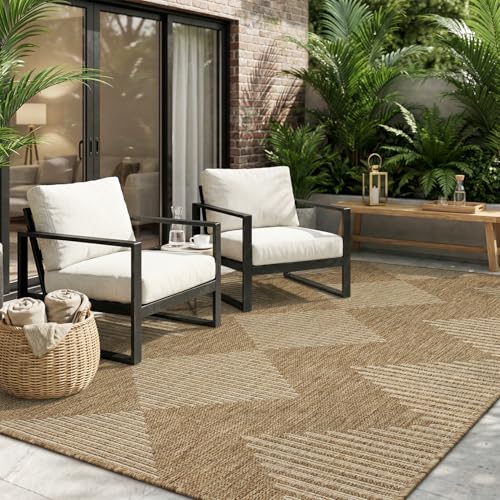
Choosing versatile and durable seating options can transform your outdoor space into a personal retreat. I recommend opting for items made from high-density polyethylene (HDPE), a durable material known for its weather resistance and ease of maintenance.
Prioritize pieces that feature UV stabilization; this technology prevents fading and cracking under prolonged sun exposure. I have had great success with models that incorporate non-slip surfaces, making them safer, especially in rainy conditions. Whether you’re entertaining guests or simply enjoying a quiet evening, the right choice in this category elevates comfort and convenience.
For optimal arrangement, consider the size and layout of your area. Arranging the seating to create intimate conversation zones can enhance the atmosphere. It’s worth investing in cushions made from quick-dry foam covered with fade-resistant fabric to elevate comfort and style.


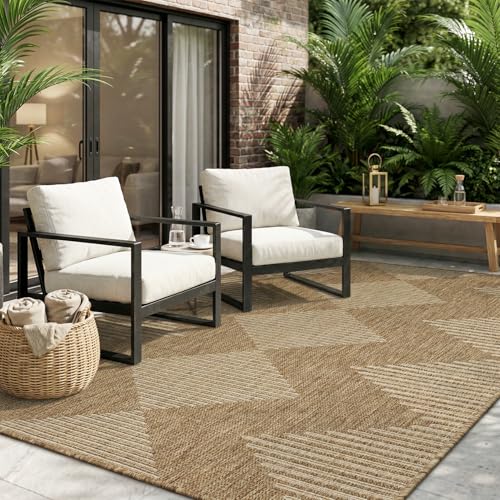
Finally, regular cleaning with a mild soap solution can preserve their appearance and longevity. Incorporating these materials into your outdoor setup will ensure a welcoming environment that withstands the test of time.
Care Tips for Outdoor Seating
To maintain outdoor seating, regularly wipe down surfaces with a mixture of mild soap and water. Avoid harsh chemicals that can damage the finish.
For stains, use a soft-bristle brush to gently scrub the affected area. Rinsing with clean water prevents soap residue from attracting dirt.
Store items indoors during heavy storms or during the off-season to prolong longevity. If storing items outdoors, use weather-resistant covers.
Inspect regularly for signs of wear or damage. Address any scratches or scuffs promptly by applying touch-up paint designed for outdoor surfaces.
| Maintenance Task | Frequency |
|---|---|
| Wipe Down | Weekly |
| Deep Clean | Monthly |
| Inspect for Damage | Seasonally |
| Apply Touch-Up Paint | As Needed |
Choosing the right cleaner is crucial; opt for pH-neutral formulations. This ensures no harmful reactions occur with the material.
For areas exposed to direct sunlight, consider using UV protectants to minimize fading over time. This small extra step yields significant benefits.
Choosing the Right Plastic Furniture for Your Space
Analyze your environment before purchasing. Consider size, color, and style that complement existing decor. Use these steps to refine your choices:
- Measure your area: Accurate dimensions help you avoid overcrowding. A well-proportioned piece enhances comfort and practicality.
- Evaluate durability: Opt for items with UV resistance and weatherproof qualities if intended for outdoor use. This prevents fading and degradation over time.
- Assess maintenance: Some creations require minimal upkeep, making them easier to clean. Select materials that resist stains and are easy to wipe down.
- Choose color wisely: Bright hues can add cheer, while neutral shades create a more subdued atmosphere. Harmonize with your space for visual cohesion.
- Look for multifunctionality: Select pieces that serve multiple purposes, such as storage benches or tables that double as seating.
- Consider mobility: Lightweight products allow for easy rearrangement. If flexibility is essential, prioritize items you can effortlessly move.
- Test stability: Ensure that what you’re considering feels solid and well-crafted. Stability enhances safety and user experience.
By conducting thorough evaluations based on these criteria, selecting suitable seating elements becomes straightforward and efficient.
Cleaning Techniques for Longevity of Outdoor Creations
I recommend a gentle soap solution for routine cleaning. A mixture of warm water and mild dish soap works well. Use a soft cloth or sponge to remove dirt without scratching the surface. Rinse thoroughly with clean water to prevent residue buildup.
Stain Removal Strategies
For stubborn stains, employ a paste of baking soda and water. Apply it to the stain, let it sit for about 15 minutes, then scrub gently with a soft bristle brush. Rinse well afterward. For oil-based stains, a drop of dish soap directly on the blemish can be effective; work it in gently with a cloth before rinsing.
Protective Measures
Apply a UV protectant spray designed for outdoor materials periodically. This forms a barrier against fading from sunlight exposure. When not in use, it’s beneficial to cover or store these items in a sheltered area to minimize weather-related wear.
Repairing Scratches and Scuffs on Plastic Surfaces
For minor scratches and scuffs on synthetic surfaces, I recommend using a heat gun or a hair dryer. Gently warm the area until it becomes pliable, then use a soft cloth to buff it out. This works best for smooth surfaces and can help reduce the appearance of imperfections.
Using Sandpaper for Deeper Scratches
When scratches are more pronounced, fine-grit sandpaper (around 600-grit) can be your ally. Lightly sand the affected area in a circular motion until the scratch is less noticeable. Always follow up with a polishing compound to restore the shine.
Home Remedies for Surface Repair
I have found that a paste made from baking soda and water can help with light scratches. Apply the mixture gently with a soft cloth, working it into the scratch. Rinse with water and dry it completely to see the improvement. For deeper marks, applying a small dab of clear nail polish can also work wonders, sealing and hiding the damage effectively.
Color Coordination Tips for Outdoor Seating
Select a color palette that complements your outdoor surroundings. Consider the hues already present in your garden or patio, such as flowers, plants, and existing architecture. For instance, earthy tones like greens and browns can blend seamlessly with natural landscapes, while brighter shades can add a playful touch.
Accent Colors
Incorporate accent colors using cushions or accessories. If your main seating options are neutral, vibrant cushions can introduce energy into the space. Choose colors that either harmonize with or contrast against the primary shades. For example, sunny yellows or deep blues can create a striking contrast with gray or beige.”
Material Considerations
Pay attention to the finishes and textures. Matte surfaces tend to absorb more heat and may look more muted, while glossy finishes reflect light and can create a lively atmosphere. Mixing different textures, such as wicker, metal, or weather-resistant fabrics, can enhance visual appeal and depth.
Ultimately, updating outdoor arrangements with thoughtful color choices not only improves aesthetic value but also enhances the overall experience of your outdoor space.
Maximizing Comfort with Cushions and Accessories
I recommend investing in quality cushions that are specifically designed for outdoor use. Look for options made from fade-resistant, water-repellent fabrics to ensure durability against the elements while maintaining comfort. A thickness of at least three inches is ideal for providing adequate support without sacrificing softness.
In addition to cushions, consider adding decorative throws to enhance the visual appeal and provide extra warmth during cooler evenings. When selecting colors and patterns, coordinate with the existing color palette of your environment to create a cohesive look.
Incorporating side tables and ottomans can also elevate your comfort level. Use ottomans as footrests or additional seating when necessary. Opt for lightweight pieces for easy rearrangement, allowing you to customize your layout for different occasions.
Utilize outdoor rugs to define spaces and add a layer of comfort beneath your feet. Choose rugs made from weather-resistant materials to keep them looking fresh season after season.
Don’t overlook the importance of shade. Consider portable umbrellas or canopies for sun protection, as they enhance comfort and prolong your time spent outdoors.
Finally, regular maintenance of cushions and accessories extends their life. Make sure to store them when not in use to protect against moisture and damage, reinforcing their longevity in your outdoor setting.
Seasonal Storage Solutions for Outdoor Seating
For those looking to protect their outdoor seating during the off-season, stackable designs offer an efficient space-saving solution. When not in use, I place my items inside a storage shed or a designated corner in the garage, ensuring they’re angled for optimal airflow to prevent mold.
Weather-Resistant Covers
Using tailored covers can significantly extend the lifespan of outdoor items. These covers should fit snugly to minimize moisture build-up while being breathable to prevent condensation. Regularly checking for any wear on these covers helps maintain their efficacy.
Disassembly and Flat Storage
For larger pieces, disassembling them can simplify storage. I prioritize keeping screws and small parts in labeled bags for quick reassembly. Flat storage can maximize space, allowing me to utilize every inch of my storage area effectively.
Lastly, I always ensure that my seating is clean before storage. A quick wash followed by thorough drying prevents any unpleasant odors or stains during storage, keeping everything fresh for the next season.
FAQ:
What are some creative ideas for using plastic furniture in my space?
Plastic furniture can be incredibly versatile. You might consider using colorful outdoor plastic chairs to brighten up your patio or balcony. For a playful touch inside, mix and match different styles of plastic stools and tables in your living room. If you have kids, look for fun designs that can double as storage, making them functional and stylish. You can also repurpose plastic furniture like stacking chairs for unique shelving units or side tables. The possibilities are numerous when it comes to incorporating these items into your decor.
How do I properly clean and maintain plastic furniture to ensure its longevity?
Cleaning plastic furniture is straightforward. Use a mixture of warm water and mild soap to wipe down surfaces with a soft cloth or sponge. For tougher stains, a solution of baking soda and water can be effective. Avoid using abrasive cleaners or scrubbers that might scratch the surface. After cleaning, make sure to dry the furniture thoroughly to prevent water spots. Additionally, it’s best to store plastic furniture indoors during extreme weather conditions to protect it from fading or becoming brittle over time.
Are there any eco-friendly options for plastic furniture available?
Yes, there are several eco-friendly plastic furniture options made from recycled materials. Look for brands that emphasize sustainability and use recycled plastics in their manufacturing process. Some companies also focus on producing biodegradable plastics or those that can be recycled after their lifespan. Researching brands that prioritize eco-conscious practices can lead you to furniture that not only meets your needs but also aligns with your environmental values.
Can plastic furniture be used for indoor decoration, or is it just for outdoor use?
Plastic furniture is definitely suitable for indoor decoration as well. Many designs are sleek and modern, making them great additions to living rooms, dining areas, or even home offices. Items like plastic chairs, tables, and shelving units can offer a contemporary look while being lightweight and easy to move. Their variety allows for integration into most decor styles, so feel free to experiment with different placements throughout your home.
What styles of plastic furniture are currently trending?
Current trends in plastic furniture include minimalist designs that emphasize form and function. Geometric shapes and bold colors are popular, often seen in both indoor and outdoor settings. Transparent plastic pieces are also gaining traction, providing a modern aesthetic without occupying much visual space. Sustainability is another key trend, with more consumers seeking eco-friendly materials. Following design blogs or social media channels focused on home decor can help you stay updated with the latest trends in plastic furniture.


