
 Caleb Turner
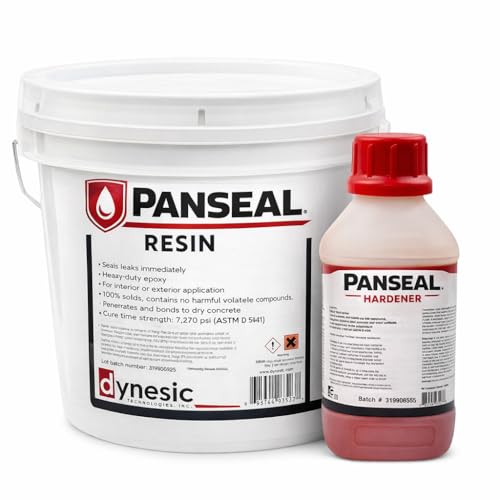
To ensure durability, applying a clear sealant specifically designed for exterior metals is my first recommendation. This layer not only provides a barrier against moisture but also helps prevent rust and corrosion.
Before applying the sealant, thorough cleaning of the surfaces is essential. Use a mixture of mild soap and warm water to eliminate any dirt or grime; this enhances adhesion. Make sure to dry the surface completely to avoid trapping moisture.
Once dry, evenly apply the sealant using a brush or spray. Pay special attention to seams and joints, where moisture tends to accumulate. Allow adequate curing time according to the product instructions, generally 24 hours for optimal protection.


Regular maintenance can extend the life of your protective layer. Inspect the surfaces for any signs of wear or damage, and touch up as necessary to maintain effectiveness against the elements.
How to Protect Your Outdoor Metal Items
Choose a high-quality sealant specifically designed for outdoor materials. Apply it evenly with a brush or a spray, ensuring all surfaces are covered. Allow adequate drying time as per the manufacturer’s instructions to create a reliable layer of defense against moisture.
Regular Maintenance
Clean surfaces frequently using mild soap and water to prevent accumulation of debris that can trap moisture. Inspect the finish regularly for any signs of wear or damage. If necessary, touch up areas with paint or sealant to maintain protection.
Consider Covers
Utilize weather-resistant covers during prolonged periods of non-use. This shields against rain, snow, and UV exposure, significantly extending the lifespan of your items. Ensure covers are breathable to prevent condensation buildup underneath.
Choosing the Right Waterproofing Products
I recommend selecting a product that specifically targets protection against moisture, corrosion, and rust. Look for sealants or coatings formulated for outdoor use, as these often contain additional UV inhibitors to prevent fading.
Oil-based paints can provide a durable barrier, but I prefer epoxy coatings due to their superior adhesion and resistance to abrasions. If you prefer sprays, aerosol sealants are user-friendly and can harden quickly, forming a reliable layer of defense.
Always check the manufacturer’s instructions regarding surface preparation. A clean, dry surface ensures maximum adhesion and effectiveness. For added durability, consider applying a clear polyurethane topcoat after the initial layer has cured.
To enhance protection against moisture, some products contain anti-rust additives. Ensure that the chosen variety is compatible with the base material to maintain integrity over time.
Lastly, always conduct a small patch test in an inconspicuous area to confirm compatibility and adhesion before full application. This step can save time and prevent complications later on.
Preparing the Surface of Metal Items
Thoroughly clean the surfaces of your items to remove any dirt, dust, or grease. I usually use a mixture of water and mild detergent for this. A non-abrasive sponge works best to avoid scratching the surface; rinse with clean water afterward and allow to dry completely.
Inspecting for Damage
Examine each piece for rust or scratches. If I find any rust spots, it’s crucial to eliminate them using sandpaper or a wire brush. After descaling, wipe the area with a damp cloth to remove any debris.
Applying a Primer
Once the surface is clean and dry, applying a primer is highly recommended. A quality primer provides a strong base and enhances adhesion of the subsequent coatings. I choose a primer suited for metal surfaces; spray or brush on a thin, even layer and allow it to dry completely before proceeding.
- Use a rust-inhibiting primer if corrosion is a concern.
- For spray application, maintain a distance of about 6-12 inches to avoid drips.
- Inspect the primer after it dries to ensure uniform coverage.
Completing these steps creates a solid foundation for ensuring your pieces withstand various conditions, extending their lifespan and maintaining appearance.
Applying Paint or Sealant for Protection
For optimum protection against moisture, I recommend using a high-quality paint or sealant specifically designed for metal surfaces. Before applying, ensure that the surface is clean and fully dry.
When choosing a paint, select a rust-resistant option that contains a primer. This will enhance adhesion and durability. For sealants, look for products that are flexible and weather-resistant, offering long-lasting barrier properties.
The application process involves a few straightforward steps:
| Step | Action |
|---|---|
| 1 | Shake or stir the paint or sealant to achieve even consistency. |
| 2 | Using a brush or roller, apply a thin, even coat to the surface. |
| 3 | Allow the first coat to dry as per the manufacturer’s instructions. |
| 4 | Sand lightly between coats for better adhesion. |
| 5 | Apply a second coat, ensuring full coverage. |
| 6 | Finish with a clear topcoat for additional protection, if required. |
Pay attention to temperature and humidity during application, as these factors can affect drying times and the overall finish. Always apply in a well-ventilated area to avoid fumes.
Regular maintenance such as cleaning and reapplication can prolong the life of the finish. Inspect the surface periodically for signs of wear or damage, and take corrective action promptly to maintain its protective qualities.
Preventive Measures Against Rust and Corrosion
Regular maintenance is a key factor in protecting against rust and deterioration. I recommend applying a protective coating at least once a year. This can be done after a thorough cleaning, ensuring all grime and debris are removed.
Coating Options
Opt for coatings that contain rust-inhibiting properties. Products like epoxy or polyurethane offer excellent barriers. Ensure to choose those designed specifically for outdoor applications, as they provide better resistance to moisture and UV exposure.
Routine Checks
Frequent inspections can help identify areas where protective layers may have worn thin. Pay close attention to joints and seams, as these are often vulnerable spots. Any signs of damage should be addressed immediately to prevent further corrosion.
Also, consider keeping the items off direct contact with the ground. Using protective pads or mats can significantly reduce the risk of moisture wicking up from surfaces.
Finally, ensure that the area around these items is well-ventilated to promote airflow, reducing humidity levels that contribute to oxidation.
Maintaining Waterproofed Metal Furniture
Regular inspection is key. Every few months, I check for any signs of wear or damage on the coatings. If I notice any scratches or chips, I promptly touch up those areas with the same sealant or paint used initially to ensure continued protection.
Cleaning Routine
For cleaning, I use mild soap mixed with water and a soft cloth. Abrasive materials can damage the protective layer, so I avoid those at all costs. Rinsing thoroughly with clean water is essential to remove any soap residue that might lead to degradation over time.
Seasonal Care
During extreme weather, I take precautions by covering these pieces or moving them indoors. Storage in a dry, sheltered area minimizes exposure to moisture and UV rays, extending their lifespan significantly. Additionally, I apply a fresh coat of sealant every couple of years to refresh the protective barrier against potential elements.
Storing Metal Items During Harsh Weather
For optimal protection against severe conditions, I recommend relocating my items indoors or to a sheltered area. If indoors isn’t an option, covering with high-quality tarps or weather-resistant covers keeps moisture and debris at bay.
Choosing the Right Location
When selecting a storage space, I look for a dry, well-ventilated area. This helps prevent condensation. Elevating items off the ground with pallets can also avoid moisture absorption from surfaces.
Preparing for Storage
Before storage, I ensure thorough cleaning to remove dust, dirt, and any existing rust. Applying a rust inhibitor before packing away adds an extra layer of defense. Additionally, I detach any removable parts to allow better airflow and reduce the risk of scratching during storage.


