
 Caleb Turner
Before bringing any pre-owned piece into my home, I meticulously check for small brown stains, which may indicate the presence of critters. I examine seams, crevices, and other hidden areas, as these pests often camouflage themselves in the smallest of spaces.
Another crucial point is to look for tiny black spots resembling ink or pepper; these could be droppings left behind. I also pay close attention to the odor, which can resemble a musty scent or the smell of overripe fruit, often a sign of an existing problem.


I take time to inspect accompanying items like bedding or cushions. Any sign of shell casings or shed skins is a red flag for me. If I notice any of these indicators during my assessment, I choose to pass on that particular piece. It’s better to be safe than sorry.
Identifying Signs of Infestation
Inspect seams and folds in upholstery closely. Hidden eggs, nymphs, or adult specimens often gather in these areas.
Check for dark spots or stains; these are typically fecal matter left behind as a sign of previous presence. Small blood stains may also indicate feeding activity.
Signs to Observe
- Visible adult insects: Brown, flat, and approximately the size of an apple seed.
- Eggs and shed skins: Tiny white shells and translucent skins in crevices.
- Odor: A musty scent may indicate a larger population.
Ensure to look at items in direct sunlight, as it can help reveal any hidden pests more easily.
Where to Look
- Underneath cushions.
- Inside cushions or mattress seams.
- Nearby furniture or storage boxes.
Thorough inspections are crucial before acquiring any secondhand items to reduce the risk of infestation in your space.
Inspecting Upholstery for Clusters and Stains
Begin your examination by closely observing the seams and folds of any fabric-covered item. Look for dark spots resembling stains; these may indicate dried excrement. A flashlight can aid in identifying these marks more clearly.
Clusters and Hiding Spots
Pay attention to areas where upholstery meets the frame. I often find tiny groupings of eggs or nymphs tucked away in these crevices. These may appear as small white or yellow clusters. Additionally, check beneath cushions and along zippers, as these spots frequently serve as hiding places.
Texture and Condition
Examine the texture of the fabric. If it feels sticky or exhibits an unusual sheen, consider a deeper investigation. Any unusual changes in texture could suggest the presence of substances associated with infestations. Always assess the overall condition; damaged or heavily worn areas can suggest a higher likelihood of these unwelcome pests being present.
After a thorough assessment, if signs are present, it’s prudent to avoid the acquisition of that particular item. Prioritize your living space’s safety by being vigilant in these inspections.
Checking for Exoskeletons and Eggs
Look for exoskeletons, which are shed skins of these pests often found in hiding spots. They are light brown and about the size of a dime. Inspect cracks, seams, and corners thoroughly; these areas are common harborage sites. A single exoskeleton might not mean much, but multiple finds indicate an infestation.
Also, examine for eggs, which are tiny, white, and roughly the size of a pinhead. They can be challenging to spot due to their size and color, so check under cushions and in crevices closely. Halos of translucent matter may signal recent laying.
Consider using a flashlight to highlight these signs during your inspection. Pay attention to the density of these findings; a higher concentration points to a more serious issue. If exoskeletons or eggs are evident, it is prudent to avoid that piece altogether.
Scrutinizing Joints and Crevices of Furniture
Examine each joint meticulously, as these areas often serve as hiding spots for unwanted pests. Pay special attention to corners, seams, and any tight spaces where components connect. Utilize a flashlight to enhance visibility in dimly lit areas.
Look for Physical Indicators
Search for any signs of fecal matter, which may appear as tiny dark spots, or a rusty coloration. These indicators suggest that a colony may reside in the hidden recesses. Check for any unusual odors; a musty smell can indicate an infestation.
Use a Credit Card for Deep Access
Utilize a credit card or a similar flat object to gently probe into crevices. This method can help dislodge any hiding pests or debris without damaging the material. Carefully inspect the removed debris for signs of life, such as movement or any shell fragments that may indicate a previous presence.
Smelling for Unusual Odors Associated with Insects
I prioritize detecting any abnormal scents before acquiring second-hand items. A musty, sweet, or even sour odor often indicates a presence of pests. If you notice this type of smell, it might be worth reconsidering your purchase.
The aroma resembles that of overripe fruit or a damp environment, which can be quite distinct. I often find it useful to sniff around seams, crevices, and underneath cushions, as these areas can concentrate the odor. If nearby, it’s usually a sign to stay cautious.
Take note of persistent smells. If the odor lingers despite airing out the item, consider it a red flag. A thorough check is necessary if I encounter these unenviable scents; otherwise, giving it a miss is prudent.
In some instances, pheromones released by these creatures might contribute to the smell. Identifying such odors can serve as a deterrent. Always take the time to scrutinize any potential acquisitions comprehensively.
Using Bed Bug Detection Tools Effectively
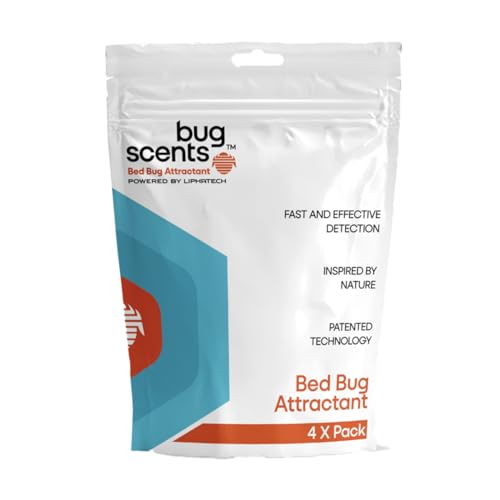
Utilizing detection tools can significantly enhance my chances of identifying an infestation before bringing items home. The following methods can be applied for optimal results:
1. Active Monitoring Devices
These gadgets attract and trap these pests, providing real-time evidence of their presence.
- Place traps near potential entry points, like doorways and windows.
- Periodically check traps for activity, especially after acquiring new items.
2. Thermal Cameras
These devices detect heat signatures, allowing me to spot hidden infestations in crevices.
- Scan the suspected areas, like cracks in wooden frames or behind cushions.
- Avoid missing areas; focus on seams and joints where these critters often hide.
Combining these tools with thorough inspections increases the likelihood of spotting issues early. Regular checks and a systematic approach ensure effective monitoring of potential threats.
Understanding the Life Cycle of Bed Bugs
To effectively identify an infestation, knowing the life stages of these pests is key. The cycle consists of three stages: egg, nymph, and adult. Eggs are tiny, white, and often laid in clusters, making them hard to spot. Each female can produce around 200-500 eggs in her lifetime.
Nymphs, which emerge from the eggs, molt five times before reaching maturity. They require a blood meal to advance through each stage, making their presence more noticeable as they grow. Color varies from translucent to brownish, depending on their age and last meal.
Adults are around 5-7 mm in length and resemble an apple seed in shape. Their color is a deep reddish-brown after feeding. With a lifespan of several months to over a year, understanding this tenure is crucial for recognizing an ongoing issue versus a new one.
Monitoring these life stages can aid in assessing risk. Frequent checks during peak reproduction periods will help catch any rise in population early, preventing further spread.
Prioritizing Safety When Buying Secondhand Items
Always conduct a thorough inspection before acquiring any pre-owned piece. It’s crucial to verify that the item has been stored properly and has not been in contact with infested spaces.
Consider utilizing portable heat treatments or steamers on small items. High temperatures can eliminate unwanted visitors residing in textiles.
Transport the piece in sealed plastic to reduce exposure during transit. This limits the chance of contaminating other belongings.
Utilize a flashlight to examine dark areas. Focus on corners and undersides where these creatures typically hide.
If possible, consult the seller regarding its history. Requesting information about past locations can provide insights into potential risks.
Perform a follow-up inspection once the item is home. This is especially important if children or pets will be using the new addition.
Staying vigilant during the first few weeks post-acquisition is key. Monitor for any signs of unwanted creatures emerging.
Keep a lookout for unusual signs on other household items. This proactive approach protects your entire living space from potential infestations.
Steps to Take If Bed Bugs Are Found
If I discover evidence of these pests, immediate action is critical. First, I isolate the afflicted items by placing them in sealed plastic bags to prevent any spread within my space.
Next, I proceed with a thorough cleaning. Vacuuming the area meticulously helps remove any visible signs, but I also ensure to dispose of the vacuum bag immediately to avoid re-infestation.
For items that can withstand washing, I use the hottest settings possible. I treat all fabrics, including cushions, linens, and clothing, as the heat will help eliminate any unwanted residents.
I also utilize high-temperature steam treatment on surfaces like mattresses and upholstery, as steam can penetrate crevices where these critters might hide.
If the situation appears severe, I might consider professional intervention. Experts have access to specialized equipment and pesticides that can effectively manage the infestation.
As a preventive measure, I ensure the area is inspected regularly. Implementing monitoring tools like traps can help identify any future occurrences promptly.
Lastly, I remain vigilant about sourcing. Responsible purchases, ensuring thorough inspections, and maintaining good hygiene practices will safeguard my environment.
| Action | Description |
|---|---|
| Isolate Items | Seal in plastic bags to prevent spread. |
| Thorough Cleaning | Vacuum area and dispose of vacuum bags immediately. |
| Wash Fabrics | Use hot water for washing linens, clothing, and cushions. |
| Steam Treatment | Treat surfaces with high-temperature steam. |
| Professional Help | Contact pest control for severe infestations. |
| Monitoring Tools | Use traps to detect future issues. |
| Responsible Sourcing | Inspect all new items before bringing them home. |


