
 Caleb Turner
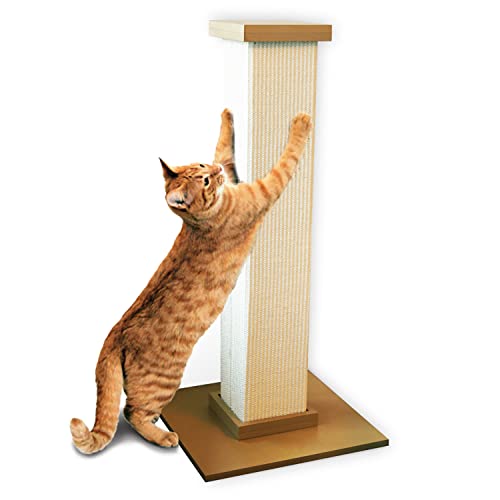
Providing your feline friend with an alternative is paramount. Invest in high-quality scratching posts, ensuring they are sturdy and tall enough for your pet to stretch fully. Place these posts in areas where your cat tends to scratch most often, creating a designated space for claw maintenance.
Positive reinforcement plays a significant role in redirecting behavior. Whenever your cat uses the scratching post instead of your couch, reward them with treats or affection. This encourages them to associate the post with positive experiences, reinforcing the desired behavior.
Consider using deterrents on your furniture. Applying double-sided tape or specialized sprays designed to discourage scratching can make your surfaces less appealing. These methods often prompt a change in behavior as your cat learns to associate scratching with an unpleasant experience.


Regular nail trimming is also essential. Keeping those claws short reduces the potential damage to your belongings and may lessen the urge to scratch excessively. Implementing these practical measures will create a harmonious environment for both you and your furry companion.
Methods for Redirecting Clawing Behavior
Provide ample alternatives for clawing to steer attention away from your belongings. Opt for various scratching posts, ensuring they differ in material and shape. Place them near favored areas to attract interest.
- Choose posts made of sisal or cardboard, as these typically engage felines more effectively.
- Incorporate vertical and horizontal options, catering to different preferences.
- Ensure the scratching surfaces are stable and tall enough for full-body stretches.
Utilize positive reinforcement to encourage desired behavior. Implement a reward system for using the appropriate surfaces. Provide treats, verbal praise, or physical affection immediately after your pet uses the designated items.
- Establish a distinct cue like a clicker or a specific phrase when they use the scratching post successfully.
- Increase the frequency of rewards in initial training stages, gradually tapering off as the behavior becomes habitual.
Consider scent deterrents to discourage unwanted behavior. Cats often avoid areas that carry scents they dislike. Use citrus sprays or commercial options specifically designed for this purpose.
- Test the spray in an inconspicuous spot first to ensure it doesn’t damage your surfaces.
- Reapply regularly to maintain effectiveness, especially after cleaning the area.
Use double-sided tape on surfaces that tend to attract their claws. The sticky texture can deter attempts, prompting your pet to seek more appealing options. Remove the tape once they consistently use their designated areas.
Lastly, observe the timing and frequency of occurrences. Document patterns in behavior to identify triggers for unwanted activity. This insight allows for targeted interventions when necessary.
Understanding Scratching Behavior in Kittens
Focusing on the instinctual need for claws to be exercised is vital. These animals utilize their claws for physical wellness, which helps them stretch their bodies and maintain their claws. Recognizing their natural behaviors leads to more effective accommodation.
Consider the territorial aspect; these creatures mark their surroundings through scratching, leaving scent markers and visual signs. I noticed that providing designated areas can redirect this behavior positively, satisfying the instinctual urge while protecting my belongings.
Another factor is the playfulness associated with this activity. Young felines enjoy engaging with various textures, so integrating scratching posts with diverse materials and shapes proved beneficial. They enjoy engaging with items that offer resistance, promoting their natural tendencies.
Monitoring stress levels also plays a crucial role in reducing undesired behavior. Stress can heighten their urge to engage in scratching. Creating a calm environment, ensuring regular playtime, and providing cozy resting places reduced stress and promoted healthier habits.
Taking note of the developmental stages is necessary. Younger individuals are more prone to exploratory behaviors, and understanding this phase helps manage expectations and responses to scratching. Addressing these behaviors through patience and understanding leads to positive outcomes.
Overall, recognizing the diverse motivations behind scratching is key to establishing a harmonious household. By aligning their natural instincts with appropriate outlets, my environment remains intact while they thrive emotionally and physically.
Providing Suitable Scratching Alternatives
Offering a variety of scratching surfaces significantly reduces the chance of destruction in your living space. Invest in vertical and horizontal scratchers made of materials like cardboard, sisal, and carpet. These textures cater to different preferences.
Place scratchers strategically near commonly targeted areas. If a specific piece of furniture is favored, position a scratcher close to it to redirect their attention. Using different sized scratchers can be beneficial; taller options encourage climbing, while lower ones are perfect for lounging and scratching simultaneously.
Ensure that multiple scratchers are available throughout your home. This prevents frustration and boredom. Rotate the scratchers periodically to maintain their appeal, introducing fresh elements to keep their interest alive.
Consider using catnip to enhance the allure of these options. Sprinkling it on a scratching post or incorporating it within the material can draw them in and encourage appropriate behavior. Additionally, toys integrated into scratchers can provide a playful experience, combining scratching with playtime.
In summary, varied and strategically placed alternatives not only safeguard your belongings but also satisfy natural instincts, promoting engagement and reducing unwanted behaviors.
Using Deterrents to Protect Your Furniture
Utilize double-sided tape on surfaces of chairs and couches. Cats dislike the sticky texture, which discourages them from lingering on those areas.
Consider citrus-scented sprays. Many felines find these scents unpleasant, making them less likely to approach treated furniture. Consistent application is key for best results.
Try commercial deterrent mats. These products create an uncomfortable surface for cats, effectively steering them away from specific spots without harming them.
Utilize aluminum foil or plastic carpet runners placed upside down. They add an unfamiliar sensation under paws, encouraging avoidance and redirecting attention elsewhere.
Regularly reinforce positive behaviors. Whenever a young feline approaches designated scratching posts instead of furniture, reward with treats or praise to create a positive association.
Monitor and adjust deterrent strategies regularly. Observing reactions helps determine which methods are most effective, allowing adjustments for continued success.
Training Techniques for Redirecting Scratching
Introduce a designated scratching area where claws can be freely used. Place it in a location where your companion often plays or relaxes.
Engagement with Toys
Use interactive toys that simulate prey, like feather wands or laser pointers. Engage your feline in play sessions, making sure to direct their energy towards these toys instead of your possessions.
Positive Reinforcement
Utilize treats or praise immediately when your furry friend uses the scratching post instead of your belongings. Consistency is key; rewards should follow their positive behavior closely.
- Set a routine for playtime with the scratching post to establish a habit.
- Rotate toys to maintain interest and excitement during play.
- Monitor their interactions, rewarding appropriately for desired actions.
Consider using scent as a guiding tool. Sparingly apply catnip to the designated scratching area to draw attention away from furniture.
Training Aids
Incorporate items like soft covering for surfaces that are frequently targeted. Temporary barriers can help discourage access to areas you wish to protect.
- Choose fabric that feels unpleasant to claw at.
- Regularly reinforce the idea of using the alternatives, especially after negative encounters.
Maintaining a consistent approach while observing your companion will ultimately lead to improved harmony within shared spaces.
Establishing a Routine for Scratching Training
Incorporate a consistent schedule for engaging with your pet to reinforce positive behaviors. Allocate specific times during the day for play sessions that naturally encourage clawing on appropriate surfaces. This allows me to redirect their instincts toward designated scratching posts.
Set a Daily Time Frame
Choose consistent intervals, such as morning and evening, to interact. During these sessions, gently guide your pet to the scratching alternatives. Repetition helps establish an understanding of acceptable outlets for this behavior.
Reward and Reinforce
During interactions, offer treats or praise immediately after your pet uses the correct surfaces. Positive reinforcement creates an association between appropriate scratching and rewards, making it more likely they will repeat the behavior.
Positive Reinforcement Strategies for Kittens
Use treats to reward desired behaviors immediately after your furry friend interacts with the appropriate scratching post. The connection between the action and the reward strengthens their understanding of what is acceptable.
Clicker training can be an effective tool. When your pet uses the designated scratching area, make a clicking sound followed by a treat. This method helps them associate the sound with positive outcomes.
Incorporate praise and affection as rewards. When they choose the right place to stretch their claws, offer enthusiastic verbal praise and petting. This reinforces the behavior without relying solely on food.
Keep some interactive toys available near the scratching post. When your little companion plays with the toys in that area, use treats as a reward, reinforcing the positive association with the scratching post.
Set progressive goals. At first, reward any interest in the scratching post, then gradually require them to use it for longer periods before receiving a reward. This approach builds their confidence and encourages consistent usage.
| Behavior | Reward |
|---|---|
| Approaches scratching post | Small treat |
| Scratches post for a few seconds | Click and treat |
| Regularly uses scratching post | Praise and affection |
| Plays near post | Toy time and treat |
Consistency is key. Ensure everyone in the household follows the same methods and rewards to prevent confusion. A uniform approach builds a clear understanding of expectations.
Monitor progress and adjust rewards as needed. If your young feline becomes disinterested, consider switching treats or incorporating new praise methods to keep their motivation high.
Monitoring and Adjusting Training Methods
Regularly observing your pet’s interactions with various surfaces is crucial. Take notes on which areas spark interest and which deterrents seem effective. Adjustments may be necessary based on observed behavior patterns.
Set specific observation times throughout the day. Use these moments to evaluate reactions to permitted scratching options versus undesired ones. If a particular scratch post is ignored, consider altering its location or trying a different texture.
If negative responses to deterrents occur, it might be beneficial to switch to another approach. Incorporate more engaging alternatives or use a different scent or texture to encourage preferred scratching habits.
Feedback from other household members can be valuable as well. Ensure everyone is consistent in their approach, as mixed signals can confuse your pet and hinder progress.
Maintaining a flexible mindset allows for necessary adaptations. As time progresses, I find that staying in tune with my pet’s preferences leads to better outcomes. Regular reassessment of techniques keeps the training relevant and effective.


