
 Caleb Turner

I recommend preparing your workspace by clearing a flat surface and ensuring proper ventilation. Gather your materials: a high-quality wood conditioner, suitable coloring agent, brush, clean cloth, and protective gloves. Adhering to this initial step ensures a smooth application process and optimal results.
Before applying the finish, conduct a patch test on a scrap piece or an inconspicuous area. This will allow you to observe how the wood reacts to the product, enabling you to adjust your technique or choice if necessary. Take your time; rushing can lead to uneven coloring or blotching.
Apply a thin layer of the conditioner first. This step is vital as it enhances the wood’s ability to absorb the subsequent coloring agent uniformly. After the conditioner has dried as per the manufacturer’s instructions, proceed with applying the color. Use a brush or cloth, ensuring even coverage in the direction of the grain.
Once you achieve your desired shade, allow it to dry completely. For added depth, consider a second layer. Finally, finish with a protective seal to prolong the lifespan and beauty of your woodworks. Regular maintenance will keep them looking fresh and vibrant for years to come.
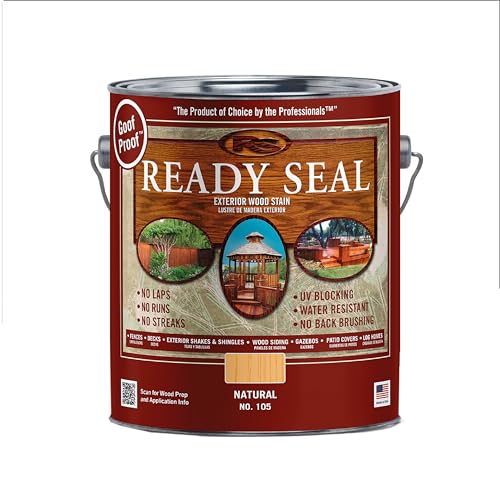


Staining Techniques for Parawood
Before applying any color, I make sure to prepare the surface by sanding it with 120-grit sandpaper, followed by 220-grit to ensure smoothness. This step helps the wood absorb the finish evenly.
I prefer using a pre-stain conditioner, especially for lighter woods, to minimize blotching. After applying the conditioner, I allow it to sit for about 15-30 minutes for optimal results.
Choosing the right pigment is key. I often opt for oil-based products for their rich hues and deep penetration. Water-based options are preferred when I seek quicker drying times and easier cleanup.
Application is done using a clean, lint-free cloth or a high-quality brush. I apply in the direction of the grain and wipe off excess after a few minutes to control the intensity of the tone.
After the initial layer dries–typically within 4-6 hours–I inspect the surface. If a deeper tone is desired, I repeat the process, applying additional coats as necessary.
Once satisfied with the color, I seal the wood with a polyurethane finish. I recommend applying at least two coats for durability, allowing adequate drying time between layers.
In my experience, it’s helpful to test the finish on a scrap piece or an inconspicuous area before committing to the entire project. This way, the results can be adjusted to personal preference.
Choosing the Right Stain for Parawood
For achieving an appealing appearance on your wooden items, the selection of an appropriate finish is crucial. Opt for a water-based or oil-based product based on your desired outcome. Water-based options dry faster and have lower odor, making them suitable for indoor use. Oil-based variants penetrate deeply, enhancing wood’s grain and providing a rich, lustrous finish.
Consider the natural hue of your timber. Parawood generally has a light color, so choose shades that complement or enhance this. If you prefer a darker look, espresso or walnut can add warmth. Lighter options like pine or honey can create a fresh, bright feel.
Test samples on concealed areas to see how the color alters once dried. Undertone effects can vary based on humidity and lighting conditions. Maintain consistency by using the same brand across all pieces.
- Transparency: Semi-transparent finishes allow some grain visibility while adding color.
- Opacity: Opaque options cover imperfections well but may hide natural patterns.
- Finish Type: Decide between matte, satin, or gloss; each affects how light interacts with the surface.
Lastly, check for compatibility with your sealing and protective coatings. Ensuring these products work together will preserve your project for years. For longevity, consider UV-resistant options to guard against fading if exposed to sunlight.
Preparing Surfaces for Staining
Ensure a smooth and clean surface before applying any color treatment. Begin by thoroughly cleaning the wood with a damp cloth to remove dust and debris. This step is crucial for achieving even application.
Next, sand the surface using medium-grit sandpaper (about 120-grit), followed by fine-grit sandpaper (around 220-grit). Sanding opens up the pores, allowing the coloring agent to penetrate more effectively. Always sand in the direction of the grain to avoid scratches.
Dealing with Imperfections
For any dents or scratches, use a wood filler that matches the color of the timber. Apply it with a putty knife, let it dry, and sand it down to be level with the surface. If you encounter any rough patches after sanding, give them additional attention, ensuring everything is smooth to the touch.
Pre-conditioning
Consider applying a pre-stain conditioner, especially for softer woods. This product helps achieve uniform tone and reduces blotchiness. Apply it generously, follow the manufacturer’s instructions, and allow the wood to absorb it before moving on.
Applying the Stain Evenly on Parawood
I always begin by selecting a high-quality applicator, such as a foam brush or a clean cotton rag. This choice allows for a smooth application and better control during the process. Before I start, I ensure the environment is dust-free to prevent imperfections.
When ready, I load the applicator with the chosen color, applying it generously but not excessively. I then work in small sections, using long, even strokes to cover the surface consistently. It’s important to avoid circular motions, as they can lead to uneven patches.
As I apply the product, I keep an eye on the wood’s absorption. Some areas may soak it up more than others, so I actively blend those spots to maintain uniformity. If I notice any pooling or streaking, I promptly use a clean part of the rag to wipe it down before it dries.
For larger areas, I often follow a pattern–like starting from one corner and moving across the surface methodically. This technique helps in keeping track of where I’ve applied the finish and ensures that I don’t miss any spots.
After completing one section, I allow it to dry according to the manufacturer’s instructions. Once dry, I assess the coverage. If necessary, I apply a second coat using the same method, ensuring an even finish throughout.
Finishing up, I clean my tools immediately with the appropriate solvent specified on the stain label. This quick action preserves them for future use and maintains their performance.
Tips for Achieving the Desired Color on Parawood
For the best results, I recommend testing the color on a scrap piece of the same wood. This practice allows you to see how the finish interacts with the wood grain and lets you adjust accordingly before applying it to your project.
Consider the Wood’s Natural Characteristics
The inherent hue of the wood can influence the final appearance. My experience shows that lighter woods often absorb pigments differently compared to darker varieties. Pay attention to any variations in the grain as they can create unique patterns that either enhance or alter the overall look. I prefer to adjust my color choices based on these natural characteristics for a more harmonious finish.
Layering Technique
If the first application does not reach the desired depth of color, I suggest applying multiple thin layers instead of one thick coat. This method allows better control over the intensity and provides a richer, more complex appearance. I typically wait a few hours between applications to ensure proper drying but always follow the specific product recommendations for best practice.
Sealing the Stain on Parawood Furniture
To protect the colored finish on your wooden pieces, applying a sealant is non-negotiable. This step prevents moisture and wear from damaging the surface. I usually choose a polyurethane or a water-based finish for durability and ease of application.
Choosing the Right Sealant
When selecting a sealant, consider the sheen level: matte, satin, or gloss. Here’s what I prefer based on the desired look:
| Sheen Level | Recommended Use |
|---|---|
| Matte | For a natural look, minimizing reflections |
| Satin | For a soft glow while still offering durability |
| Gloss | For maximum shine and easy cleaning |
Application Tips
First, ensure the surface is clean and dry. I apply the sealant using a high-quality foam brush or a clean cloth, working it into the surface. It’s key to use long, even strokes to avoid brush marks. I typically apply at least two coats, allowing adequate drying time between applications, following the manufacturer’s guidelines. Remember to lightly sand with fine-grit sandpaper between coats to enhance adhesion and achieve a smoother finish.
Once the final coat dries, I recommend waiting at least a week before heavy use. This allows the finish to fully cure, providing maximum protection for your investment.
Maintaining Stained Parawood Furniture
Regular cleaning using a soft, damp cloth prevents dust buildup. Avoid harsh chemicals that can strip the finish. For deeper cleaning, mix mild soap with water and use a microfiber cloth to gently wipe surfaces.
When it comes to protecting the finish, applying a layer of furniture polish specifically designed for wood surfaces helps maintain the sheen. Opt for products without silicones to avoid build-up.
Humidity control is paramount; keeping the environment stable prevents cracking or warping. Use a humidifier in dry conditions or a dehumidifier in overly moist spaces.
Inspect for scratches or dents regularly. For minor imperfections, a furniture touch-up marker or wax stick can effectively conceal flaws. On more significant scratches, consider sanding lightly and reapplying the finish to restore the area.
Avoid placing hot items directly on surfaces. Always use coasters or trivets to protect against heat damage. Sunlight can fade color over time, so position your pieces away from direct sunlight.
Lastly, reapply the protective finish every couple of years to ensure longevity. Trace the original application method to maintain consistency in appearance.
Troubleshooting Common Staining Issues
If I notice uneven color after applying the product, I ensure the surface remains wet for longer while working. This allows the color to blend more seamlessly.
When blotchiness appears, I opt for a conditioner before applying the color. This helps the wood absorb the pigment more evenly.
If the finish looks streaky, I use a clean, lint-free cloth to wipe away excess, maintaining a consistent application and avoiding buildup.
In case of a dried residue on the surface, I gently sand the area with fine-grit paper to smooth it out, then reapply the hue carefully.
For unexpected fading, I check my light sources. Direct sunlight can change the appearance over time, so I consider repositioning the item or using UV protectant sealing.
If I encounter a rough texture post-application, a light sanding with fine-grit paper followed by a thorough clean will prepare for a subsequent coat, yielding a smoother result.
When I smell lingering unpleasant odors, I ensure proper ventilation during and after the process to dissipate any toxins, helping to maintain a safer environment.
If peeling occurs after sealing, I’d assess the underlying application techniques, ensuring the previous layer was fully cured before applying additional coats.
Should I see bubbles forming, I lightly pass a clean cloth over the surface to remove air pockets before the product sets, preventing unsightly blemishes.


