Caleb Turner

Begin with a thorough inspection of the item, identifying any loose strands or broken sections. Use a fine-grit sandpaper to gently smooth rough edges, preparing the area for reweaving or patching.
Gather suitable materials, such as natural fibers or synthetic cords that match the original design. If the piece showcases intricate patterns, try to replicate them as closely as possible for a cohesive look.
For reweaving, carefully pull apart the damaged areas, ensuring not to disturb the surrounding structure. Introduce your new strands by weaving them into the existing pattern. A needle can serve as a helpful tool for tighter spaces.


Once complete, secure any loose ends with a small dab of adhesive to prevent further fraying. Consider applying a protective finish to safeguard against moisture and wear, ensuring longevity.
How to Restore Woven Items
I focus on gathering thin, durable strands to replace any that are frayed or broken. For minor damage, I often use a fine glue to secure loose ends and prevent further deterioration. It’s crucial to clean the piece thoroughly before any work, utilizing a soft brush and mild soap solution to eliminate dirt and debris.
If I need to replace entire sections, I cut the new material to match the existing dimensions as closely as possible. This ensures a seamless look once the project is complete. I weave the new strands alongside the original, using a simple over-under technique that mimics the original texture.
I then secure everything in place by applying a clear adhesive, ensuring it bonds well without leaving unsightly marks. After the glue dries, I often apply a protective finish to enhance durability and maintain the appearance of the item.
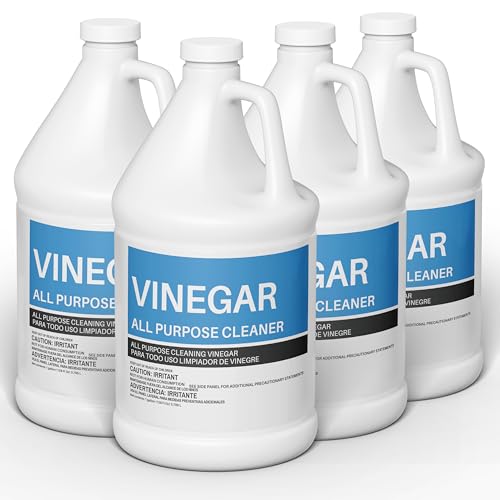
For discoloration, I utilize a mix of vinegar and water as a natural cleaner, applied with a soft cloth. This can help restore the surface without damaging the material. Regular maintenance, like dusting and avoiding direct sunlight, extends the longevity of these beautiful creations.
Assessing Damage and Identifying Issues
I begin by closely examining the piece to pinpoint specific areas of concern. Look for signs of wear such as fraying, breaks, or discoloration. Pay attention to the structure and stability, ensuring that no major support is compromised.
My assessment typically follows these steps:
- Visual Inspection: Check the entire surface for visible damages. Note any loose strands or broken components.
- Structural Integrity: Gently shake or wiggle the item to test for sturdiness. Listen for any creaking sounds that might indicate loose or weakened parts.
- Identify Material Quality: Different natural fibers may exhibit varying levels of durability. Determine if the material is rotten or brittle.
- Check for Pests: Look for signs of insect infestations, such as small holes or powder. This can indicate deeper issues that need to be addressed.
- Evaluate Finish: Scratches or peeling finishes can affect both aesthetics and protection. Assess the need for refinishing.
Recording my observations helps me create a clear action plan. If the piece is heavily damaged, consider the extent of repairs required versus replacement options. Prioritize safety and durability in your decisions.
Gathering Necessary Tools and Materials
To tackle the task effectively, I focus on collecting the right tools and supplies. Here’s a detailed list that ensures a smooth process.
Tools
| Tool | Purpose |
|---|---|
| Scissors | Cutting damaged strands or trimming excess material. |
| Needles | Weaving and securing loose pieces. |
| Pliers | Manipulating tight spaces or bending materials for a secure fit. |
| Glue | Bonding broken sections or reinforcing joints. |
| Measuring tape | Determining lengths and adjusting pieces accurately. |
| Screwdriver | Removing or tightening any hardware components. |
Materials
Equipping myself with appropriate materials is equally vital. Below are the key items I keep on hand:
| Material | Use |
|---|---|
| Replacement strands | For substituting broken or missing sections. |
| Non-toxic adhesive | Safe bonding of materials. |
| Stain or finish | Reviving color and protecting the surface. |
| Protective gloves | Safeguarding hands during the process. |
| Rags | Cleaning excess glue or managing spills. |
Having these tools and materials ready allows me to address issues efficiently and ensures a successful outcome in the revitalization process.
Cleaning Rattan Decor Before Restoration
I recommend using a soft brush or a vacuum cleaner with a brush attachment to remove dust and dirt from the surface. Pay attention to crevices and joints where debris tends to accumulate.
Mix a solution of mild dish soap and warm water. Using a soft cloth, gently wipe the surfaces. Avoid soaking, as excess moisture can damage natural materials. Rinse the cloth frequently to ensure you’re not spreading dirt around.
For stubborn stains, consider using a mixture of equal parts white vinegar and water. This can help lift grime without causing harm. Test it on a small, inconspicuous area to ensure it won’t discolor the finish.
After cleaning, let the piece air dry completely in a shaded area. Direct sunlight can cause fading or warping, so it’s essential to avoid it during this process.
Consider applying a protective finish after it dries to preserve its appearance and longevity. A clear coat can help shield against future stains and wear.
Repairing Loose Weaves and Broken Strands
Begin with identifying the areas where strands have come loose or broken. For loose weaves, gently pull apart the surrounding strands to create enough space for reweaving. Use a lightweight rattan or reed for the repair, ensuring it matches the existing material in thickness and color.
Reweaving Process
Follow these steps for a successful reweaving:
- Cut a length of rattan slightly longer than the gap.
- Insert one end of the new strand into the weave, following the pattern of the original weaving.
- Secure the strand temporarily with a small dab of craft glue or tape.
- Continue the weave, pulling the new strand tight, and interlacing it with adjacent strands where necessary.
- Once the gap is filled, trim any excess and tuck the ends securely.
Fixing Broken Strands
For broken strands, the method involves replacing the damaged section. Cut a piece of new material, then follow these steps:
- Remove the broken strand by cutting it at both ends.
- Align the new piece with the existing weave, ensuring it is of equal thickness.
- Insert the new strand into the weave and secure it by knotting it at each end for stability.
- Use adhesive to ensure it remains secure, if needed.
| Material | Usage |
|---|---|
| Rattan | For reweaving loose strands |
| Reed | Alternate material for repairs |
| Craft glue | Securing ends |
| Scissors | For cutting material |
By implementing these repair techniques, I ensure the longevity and integrity of my basketry pieces. Regular inspection can prevent further damage and maintain the appearance of the item.
Reinforcing Weak Areas with Additional Material
To strengthen vulnerable spots, I recommend using natural fibers such as jute, sisal, or even sturdy cotton. These materials not only blend well with existing strands but also provide enhanced durability. First, identify the weak areas that need reinforcement.
Selecting the Right Material
- Choose high-quality jute for its resilience and ability to match the color of many woven pieces.
- Sisal offers superior strength, making it ideal for load-bearing areas.
- Sturdy cotton can work well for aesthetic repairs due to its versatility.
Application Process
- Cut the additional material into strands similar in size to the original weaving.
- Use a strong adhesive or hot glue to bond the new strands to the weak areas.
- For a woven appearance, intertwine the new strands with existing ones, creating a seamless look.
- Allow the adhesive to dry completely before applying any tension to the structure.
After reinforcing, check the stability by gently pulling at the repaired areas. If everything holds up, the piece should be ready for regular use again. Regularly inspect these areas to address any new signs of weakness promptly.
Restoring Finish and Protective Coating
First, choose a suitable finish like polyurethane or a natural oil for restoration. Cleaning the surface thoroughly is crucial; this removes dirt and old residue. Proceed with fine-grit sandpaper to smoothen the surface. Ensure the sanding is even to prevent visible patches after applying the new coat.
Next, apply the finish using a brush or cloth, depending on the type selected. Thin, even layers are preferable; it’s more effective than a thick application. Allow sufficient drying time as specified by the manufacturer. Reapply additional coats if necessary for enhanced durability, always following the recommended drying time in between.
For added protection against spills or moisture, consider using a protective wax or sealant after the finish has cured completely. Test any new product on a hidden area first to ensure compatibility with existing materials. Regular maintenance with furniture polish or a mild cleaner can prolong the life of the finish.
Finally, store the piece in a dry area away from direct sunlight. This prevents fading and wear on the finish over time.
Replacing Missing or Damaged Parts
Identify the specific areas where the materials are missing or damaged. For strands, I often utilize natural fibers like rattan or seagrass, matching the thickness as closely as possible. For larger sections, sourcing matching panels is key; local craft stores or online retailers might have suitable options.
Cut the new material to the appropriate length, ensuring it fits seamlessly with the existing structure. When integrating the new parts, use strong adhesive to secure them in place thoroughly. I prefer using a clamp to hold everything tight while the adhesive dries to ensure a solid bond.
If working with intricate designs, consider weaving the new pieces into the existing pattern. Utilizing a sturdy needle can simplify this process. I make sure to follow the original weave’s direction closely to maintain the aesthetics of the piece.
After installation, inspect the joints to confirm stability. If necessary, apply additional adhesive or a small amount of wood filler to reinforce weaker areas. Finally, consider sealing the area with an appropriate finish to protect against moisture and wear.
Maintaining Wicker Creations Post-Repair
Regular cleaning is crucial for the longevity of these handcrafted items. Use a soft brush or a vacuum with a brush attachment to remove dust and debris. Aim to do this weekly to prevent dirt buildup.
Applying Protective Treatments
Consider using a protective spray designated for natural fibers. This can help shield against moisture and UV damage. Reapply every six months for optimal results.
- Look for non-toxic options to minimize any potential harm.
- Test on a small, inconspicuous area before full application.
Routine Inspections
Conduct inspections quarterly to catch any early signs of wear. Check for fraying, softness, or discoloration.
- Inspect joints and seams for stability.
- Listen for any unusual sounds when moving the piece.
- Assess for any weak spots that may require reinforcement.
A prompt response to minor issues can extend the usefulness of these crafted items. Maintain a log of any repairs made, alongside dates and materials used. This record can assist in future maintenance decisions.