
 Caleb Turner
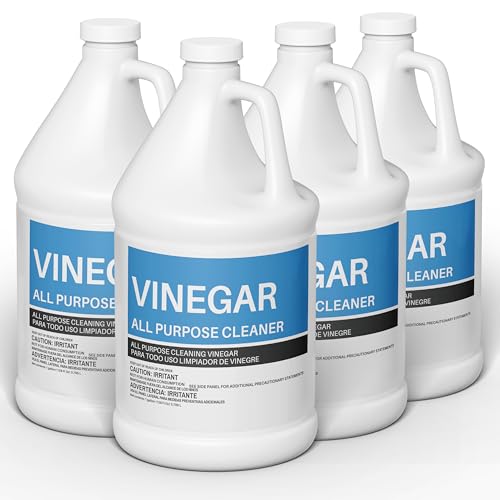
Begin with a gentle dab of a soft, lint-free cloth to absorb any excess liquid, ensuring you don’t spread the residue further. Next, create a mixture of equal parts white vinegar and water; this natural solution effectively breaks down the remnants left behind.
Apply the vinegar solution with a clean cloth, wiping in the direction of the grain. It’s crucial to avoid saturating the wood, as excess moisture can lead to warping or discoloration. For persistent marks, a paste made from baking soda and water can offer additional scrubbing power. Gently rub the paste onto the affected area, and immediately wipe away with a damp cloth to prevent any buildup.
Finally, dry the surface with a clean towel, then consider applying a wood conditioner or polish to restore the finish and shine of your furniture. Regular maintenance will help prevent future occurrences and keep your wooden belongings looking their best.
Identifying the Type of Finish on Your Furniture
Begin by examining the surface closely. A simple water test can help; place a few drops on the surface. If water beads up, the finish is likely a polyurethane or varnish. If the water absorbs, it’s probably a wax or oiled finish.

Check for Sheen Levels
Different finishes have distinct sheens. High-gloss surfaces are typically lacquer or polyurethane, while satin or matte finishes may indicate an oiled or waxed surface. Observing the sheen can provide immediate clues.
Perform a Rubbing Test
Using a soft, damp cloth, gently rub a discreet area. A sticky residue might suggest a more fragile finish like oils or wax, while a clean cloth indicates a sturdier finish like varnish or polyurethane.
Preparing the Area for Stain Removal
Clear the surrounding space to prevent any accidental damage while treating the affected area. Move any decorative items, plants, or electronics away from the surface. This will create a safe zone for cleaning and minimize distractions.
Ensure adequate lighting to better assess the situation and work efficiently. Natural light is ideal, but when that’s not possible, use bright artificial lights to illuminate the work area.
Protect the floor and adjacent surfaces with a drop cloth or old towels. This will safeguard against any drips or splatters from the cleaning process.
Gather necessary supplies before proceeding. Recommended items include:
- Soft, lint-free cloths
- Cleaning solution appropriate for the type of finish
- Light abrasive pad, if suitable for the finish
- Paintbrush, for more precise applications
Make sure to wear gloves to protect your hands from chemicals and avoid skin irritations. If the area is particularly small or intricate, consider using a cotton swab or small brush for more detailed work.
Ventilation is also key. Open windows or doors to ensure fresh air circulates, especially if using solvents or strong cleaning agents that might produce fumes.
Choosing the Right Cleaning Solution for Stains
For optimal results in tackling discoloration, I recommend selecting a solution that suits the specific finish of the surface. Oil-based finishes benefit from mineral spirits, as they gently dissolve residues without damaging the sheen. Conversely, water-based finishes respond better to a mixture of equal parts white vinegar and water, leveraging its natural acidity to lift marks effectively.
Test any cleaning agent on a less visible area first to ensure compatibility with the finish. If you notice any adverse effects, switch to a more neutral cleaner, like a mild soap solution, which is typically safe for most surfaces and helps maintain integrity.
For stubborn residues, consider products specifically formulated for cleaning fine wood. Manufacturers often provide guidelines on usage based on various finishes.
In instances of heavy saturation, I suggest using a soft cloth dampened with your chosen solution. Apply it gently, allowing the cleaner to penetrate and soften the residue before wiping it away with a dry cloth. This method helps in avoiding any additional damage while effectively lifting discoloration.
Applying the Cleaning Solution Safely
Always test your chosen mixture on an inconspicuous area of the surface first. This checks compatibility without risking visible damage. Use a soft cloth or cotton ball to apply a small amount of the solution. Allow it to sit for a few minutes before assessing any reaction.
Ventilation Measures
Ensure the space is well-ventilated. Open windows and doors to promote air circulation, reducing the concentration of any strong odors from the cleaner. This step minimizes inhalation risks while working with chemical solutions.
Protective Gear
Wearing gloves is advisable to avoid skin irritation when handling various cleaning substances. If you are sensitive to scents or fumes, consider using a mask. Safety first ensures that the application process remains smooth and without personal discomfort.
Neutralizing any remaining residue after cleaning
After cleansing the affected area, I always check for any lingering traces that could impact the finish of my pieces. A simple method I rely on involves a mixture of equal parts water and white vinegar. I dampen a clean microfiber cloth with this solution, ensuring it’s not overly wet to prevent water damage. Gently wipe the surface, then use a dry cloth to buff the area.
Additional Techniques for Rinsing Surfaces
If I notice that the residue remains, I opt for a paste made from baking soda and water. Mixing it until it achieves a thick consistency, I apply it sparingly to the problematic areas using my fingertips. I let it sit for about 10 minutes before gently scrubbing with a soft cloth. Rinsing with a damp cloth is crucial to avoid any buildup.
Test Before Full Application
Before executing these methods on a larger scale, I conduct a spot test on an inconspicuous section. This ensures compatibility with the finish and prevents any unintended damage. After completing the process, I always allow the surface to dry completely, carefully observing for any discoloration or reaction.
| Method | Ingredients | Notes |
|---|---|---|
| Vinegar Solution | Equal parts water and white vinegar | Use a microfiber cloth; buff dry |
| Baking Soda Paste | Baking soda and water | Let sit for 10 minutes; spot test first |
I find that these methods effectively neutralize any remnants, leaving my furniture looking pristine and well-maintained.
Maintaining Wood Furniture to Prevent Future Stains
Regular upkeep is fundamental for safeguarding surfaces against blemishes. I suggest applying a protective polish every few months. This not only enhances the finish but also creates a barrier against moisture and accidental spills.
Humidity Control
Humidity fluctuations can lead to warping or cracking, which increases vulnerability to marks. Utilizing a dehumidifier or an air conditioner during humid months can help maintain stable conditions. Conversely, during dry spells, placing a bowl of water near the furniture can add necessary moisture to the air.
Immediate Attention to Spills
Quick action on any liquid spill is crucial. Gently blotting the area without rubbing prevents the liquid from penetrating the finish. Using a soft, dry cloth is best for this task. Keeping a dedicated cleaning cloth within reach can be a practical habit to develop.


