
 Caleb Turner
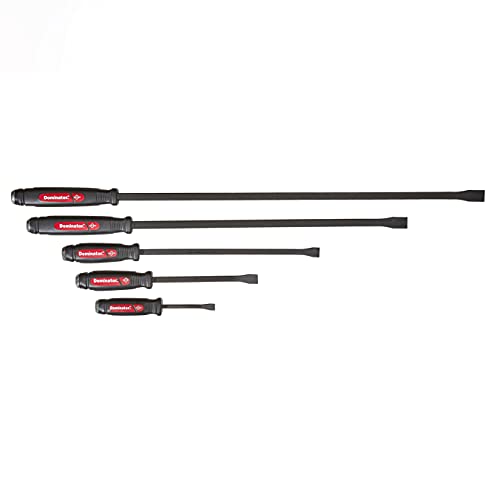
To create the necessary space for carrying large items, disassembling the frame surrounding the entryway is a practical approach. First, I ensure I have the right tools: a pry bar, hammer, and screwdriver. Setting aside a few minutes for this task can save significant time and frustration during relocation.
Next, I take the time to inspect the trim and casing. Using a pry bar, I gently lift the trim from the wall, starting at one end. This approach minimizes the risk of damaging the surrounding wall or the trim itself, which is particularly useful if I plan to reuse these materials later.
Once the trim is removed, I locate the screws or nails securing the frame to the wall. After removing these fasteners, I carefully pry the frame away from its position. Pushing gently on the frame while continuing to apply leverage with the pry bar helps in loosening any stubborn sections. This method guarantees that I handle the frame with care.
Finally, I clean up the area, removing any debris and ensuring that I have a clear path for the furniture. This preparation not only facilitates the movement of large items but also protects the integrity of my home during the process.
Removing a Frame for Your Relocation Needs
First, gather tools: a pry bar, utility knife, hammer, and a screwdriver. Essential for the task ahead.


Begin with the trim. Carefully run the utility knife along the back edges to break the paint seal. This prevents damage to the wall surface when prying it off.
Next, use the pry bar to gently pop off the trim from the sides and top. Work from the corners and move inward to avoid cracking.
Once the trim is off, focus on the frame itself. Inspect for screws or nails securing it in place. Using the screwdriver, back out any screws visible on the hinge side or the top.
If nails are present, tap the pry bar behind the frame at various points to loosen it. Apply consistent pressure. If stuck, cut any remaining nails with a reciprocating saw, being mindful of the surrounding area.
With all fasteners removed, gently wiggle the frame back and forth until it loosens completely. Pull it from the wall slowly to avoid any unexpected resistance.
Finally, check for any damage caused during the process and repair accordingly. This will ensure a smooth transition for the upcoming task.
Gather Necessary Tools and Materials
Before I begin the task, I ensure that I have the following tools and materials at hand:
- Circular saw or reciprocating saw: Essential for cutting through the frame quickly and precisely.
- Hammer: Useful for removing nails and small parts of the structure.
- Nail puller or pry bar: Helps in extracting stubborn nails without damaging the surrounding area.
- Screwdriver set: Required to unscrew any fasteners attached to the frame.
- Utility knife: Great for cutting through any caulking or materials sealing the frame.
- Measuring tape: Important for taking precise measurements, ensuring I know where to cut.
- Safety goggles: Protects my eyes from sawdust and debris during the process.
- Work gloves: Provides grip and protects my hands from sharp edges.
- Stud finder: Helps to locate nails or screws securing the frame to the wall.
- Drop cloth or tarp: Useful for protecting the surrounding area and catching debris.
Having this equipment ready will facilitate a smoother operation and ensure safety while disassembling the structure.
Assess the Type of Frame
Determine whether the structure is a traditional or modern installation. Traditional frames, often made from solid wood, may require different techniques than their modern counterparts, which might have a hollow core or metal reinforcements.
Identify Material Composition
Check if the frame consists of solid wood, engineered wood, or metal. Solid wood provides more resistance, while engineered types might be more flexible, impacting how I proceed. Metal frames typically require specialized tools for alteration.
Examine Attachment Method
Look at how the frame connects to the wall. Some may use screws or nails, while others can have adhesives. Locating these connections is vital. Knowing whether it’s glued or screwed will guide the removal process.
For example, identifying a screw-based setup allows for easier disassembly with a drill. If adhesives are present, gently prying away may be necessary, ensuring I don’t damage the surrounding area.
Proper assessment leads to a smoother transition while facilitating the task ahead. Understanding these aspects guarantees the path forward is well planned.
Remove Hardware and Hinges
Begin with the removal of any hardware attached to the frame. First, take off the handle or knob. Use a screwdriver to unscrew the mounting plate. If any screws are stuck, apply a penetrating oil to loosen them.
Next, focus on the hinges. With a screwdriver, unscrew the screws that hold the hinges in place on the frame. It’s advisable to support the door while unscrewing the bottom hinge to prevent it from falling. Once the screws are out, gently knock the pins out of the hinges using a hammer and a punch if necessary.
Collect all the screws and hardware in a labeled bag to avoid misplacement. This helps in reassembly later. If the hardware is old or worn, consider replacement during reinstallation.
| Tool | Purpose |
|---|---|
| Screwdriver | For unscrewing knobs and hinge screws |
| Pliers | For gripping and pulling stubborn screws |
| Punch and Hammer | For removing hinge pins |
| Bag or Container | To keep all hardware organized |
Ensure all hardware is removed cleanly, leaving the frame clear for the next steps in the process. Check for any damage that may need fixing before proceeding.
Cut the Caulk and Paint Around the Jamb
I begin by using a utility knife to carefully score the caulk line along the edges where the casing meets the wall. This step prevents damage to the drywall and allows for a cleaner removal. I ensure I cut deep enough to penetrate the caulk without affecting the underlying surface. A putty knife can assist in prying away any stubborn sections of caulk.
After the caulk is cut, I focus on any paint around the frame. I take the time to score the paint line with the same utility knife, especially along the edges where the frame and the wall meet. This method minimizes the risk of peeling paint, which can compromise the wall’s integrity.
Removing the Trim
Using a pry bar or a flathead screwdriver, I gently start to remove the trim from one corner. I place a small block of wood behind the tool to protect the adjacent wall while I work. If the trim resists, I apply a bit more pressure, being cautious to avoid breaking the trim or damaging the wall further.
Final Touches
Once the trim is off, I inspect the area for any remaining caulk or paint. If necessary, I clean the surfaces thoroughly to prepare them for future installations or painting. This attention to detail gives me a clean workspace, making subsequent steps much easier.
Remove the Jamb from the Wall
If I find the need to take out the frame from the wall, I start by carefully using a pry bar or chisel to separate it from the surrounding material. It’s essential to target the area where the frame meets the wall, gently easing it free to avoid damaging nearby surfaces.
I ensure that I’ve cleared any obstacles and prepare to handle any debris that may fall. A utility knife can be handy to cut through any remaining caulking at the joints. I take my time to avoid causing any unnecessary harm to the wall structure. Once the frame is loose, I pull it away from the wall, making sure to check for any nails or screws that may still be attached.
Inspect for Damage
After extracting the frame, I assess the surrounding area for any damage. Sometimes, the wall can sustain minor scratches or dents during the process. If there are issues, I fill them with spackle or joint compound and allow them to dry before proceeding with any repainting. This step ensures a clean finish for the next stage of my project.
Final Cleanup
Once everything is removed and checked, I tidy up the workspace, making sure to dispose of any debris safely. I take a moment to organize tools and materials for the next phase of my endeavor. A clean area contributes to a more efficient workflow as I move forward.
Prepare the Area for Relocating Items
Clear the passageway and surrounding space to create a safe and unobstructed environment. Move any nearby furniture, decorations, and obstacles that could interfere during the process. Consider placing protective coverings on floors to prevent scratches or damage as you maneuver larger pieces.
Organize Tools and Equipment
Set up your tools within easy reach. Group everything systematically on a sturdy surface, like a table or workbench, to minimize trips back and forth. Essential items should include a utility knife, pry bar, hammer, and screwdrivers. Position additional materials such as blankets or moving pads nearby to safeguard your belongings.
| Item | Purpose |
|---|---|
| Utility Knife | Cutting materials and sealing |
| Pry Bar | Assisting in lifting and separating |
| Hammer | Straightening or loosening fasteners |
| Screwdrivers | Unscrewing fittings safely |
| Moving Pads | Protecting surfaces from scratches |
Assess the Surrounding Elements
Look closely at walls, baseboards, and any fixed features around the entry point. Identify potential hazards like protruding nails or loose trim that might complicate your efforts. Ensure adequate lighting in the space to avoid accidents. Having sufficient light will help you see small details and make the process smoother.
Reinstall or Patch the Door Jamb After Moving
After relocating, it’s essential to correctly reinstall or patch the frame surrounding the entryway. Here’s my step-by-step method to ensure a neat finish.
- Inspect the Frame: Examine the structure for any damage. If there are dents or scratches, they should be addressed before reinstallation.
- Prepare the Surface: Clean any dust or debris from the frame and surrounding walls. A clean surface ensures better adhesion for any patches.
- Reinstall or Repair:
- If the frame is intact, carefully position it back in place, ensuring it’s level and flush with the wall.
- If damaged, measure and cut new pieces to match the original dimension. Use wood glue and clamps to secure any joints as necessary.
- Securing the Frame: Utilize screws or finishing nails to secure the structure to the wall studs. Ensure it’s stable and does not move when pressure is applied.
- Patch Gaps: Apply caulk or wood filler to any gaps between the frame and the wall. Smooth it out with a putty knife for a clean finish.
- Painting: Once the filler is dry, paint the frame to match the surrounding color. This will help blend the frame with the walls, giving a seamless look.
- Reattach Hardware: Replace any hardware like knobs or locks that were removed earlier, ensuring everything functions properly.
Following these steps can restore the entryway’s appearance, making it look as good as new while maintaining structural integrity.


