Caleb Turner
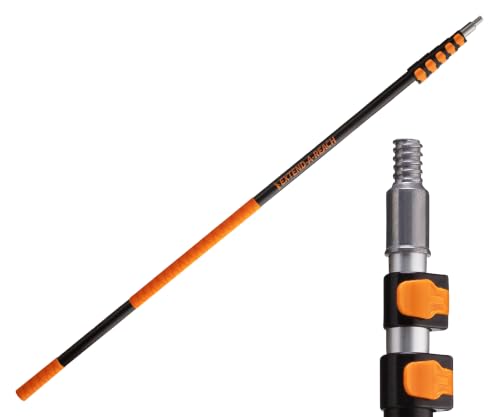
To maximize the impact of your elevated indoor areas, consider incorporating a sturdy ladder that provides stable and secure access. Adjustable ladders are particularly effective, allowing you to cater to varying heights and ensuring safety during use.
Another approach involves the use of scaffolding, which offers a broader base and additional support for tasks such as painting, cleaning, or installing fixtures on high surfaces. Ensure you select a model suitable for the weight and nature of the work at hand.
When seeking creative solutions, think about employing retractable stairs or specialized platforms designed specifically for high spaces. These options not only enhance accessibility but also add a unique character to your room while maintaining functionality.

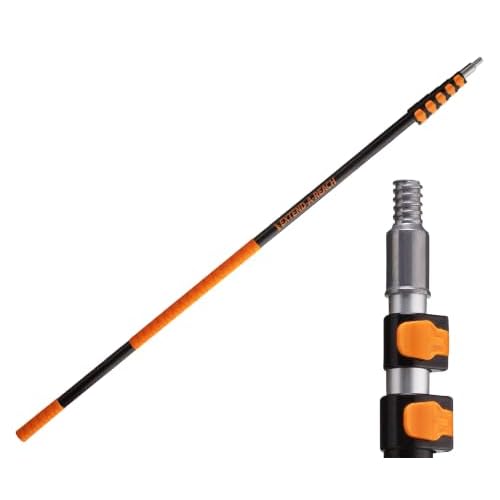
For lighting installations, consider using extension poles equipped with various lighting tools, allowing you to safely reach and customize illumination without the need for elaborate setups. This method promotes versatility and efficiency during your design updates.
Always prioritize safety measures. Installing guardrails or harnesses can help prevent accidents when working at heights, ensuring you can focus on your project without worry.
Reaching Elevated Spaces
Utilizing a sturdy step ladder is the most reliable method to access elevated areas. Select a ladder that offers a safe height advantage. Ensure it is rated for your weight and has non-slip feet for stability.

For areas with significant height, consider using an extension ladder. This type allows for better reach while maintaining a solid foundation. Set it on a flat surface to minimize risks during use.
Invest in a scaffold system if you need an extended workspace. This solution provides a stable platform for various tasks. Follow manufacturer instructions for assembly and weight limits to ensure safety.
Using specialized tools can enhance accessibility. A paint roller with an extended handle or a long-reach pole can help complete tasks without requiring excessive height adjustment.
| Access Method | Benefits | Considerations |
|---|---|---|
| Step Ladder | Stable and easy to maneuver | Limited height |
| Extension Ladder | Greater reach and versatility | Requires flat, solid ground |
| Scaffold System | Sturdy platform for multiple tasks | More complex setup |
| Long-Reach Tools | Access without climbing | Limited to specific tasks |
Ensure to assess your physical abilities. Enlist help when necessary to prevent accidents. Always wear appropriate safety gear to protect yourself during any project involving height.
Choosing the Right Ladder for High Ceilings
Always opt for a ladder with the correct height for your specific area. Generally, a 12-foot reach requires a ladder that is at least 14 feet long for safety and stability. Adjustable ladders are a great choice, allowing versatility for various tasks and heights. Consider models with a range that includes both straight and extension types.
Material Matters
Pick a ladder made from lightweight yet durable materials such as aluminum or fiberglass. Aluminum offers portability, while fiberglass provides additional stability and is non-conductive, making it a safer choice if working near electrical sources.
Safety Features
Assess the safety features before making a purchase. Models with slip-resistant steps and rubber feet enhance grip. A wide base greatly improves stability, reducing the risk of tipping during use. Look for ladders with locking mechanisms to secure extension segments firmly.
In personal experience, investing in a sturdy and reliable ladder not only simplifies tasks but also builds confidence when accessing elevated spaces. Prioritize features that cater to your specific needs.
Safety Gear for Working at Heights
Always utilize a properly fitted helmet. This protects against falling debris and accidental bumps. Look for an option with adjustable straps to ensure a snug fit.
Invest in high-quality fall protection harnesses. A full-body harness distributes weight evenly and minimizes injury in case of a fall. Regularly inspect the harness for wear and tear.
Wear non-slip footwear with a good grip. Shoes designed specifically for work at heights provide stability and reduce the risk of slipping. Consider those with reinforced toes for added safety.
Additional Protective Equipment
- Safety glasses or goggles shield against dust and debris.
- Gloves enhance grip and protect hands from sharp edges or rough surfaces.
- Hearing protection, especially when using power tools or if in a noisy environment.
Safety Protocols
Always use a buddy system when working at elevations. This ensures immediate assistance if an accident occurs. Conduct routine safety drills to keep skills fresh and awareness high.
Regularly review equipment and safety gear to comply with current safety standards and regulations. This not only ensures personal safety but also promotes a culture of safety within any project.
Techniques for Painting a Ceiling at Great Heights Safely
Utilize an extension pole for your paint roller to maintain a safe distance from the surface while ensuring full coverage. This tool allows you to reach high points without the need for a ladder, minimizing the risk of falls.
Wall Paint Application
Apply paint in a systematic manner, starting from one corner and working across the ceiling in sections. This prevents wet paint from dripping onto completed areas. Use a brush for corners and edges before switching to a roller for larger sections. Ensure consistent pressure for even application.
Paint Spraying Technique
If using a sprayer, mask off any areas not to be painted meticulously. Begin at one end and move swiftly to maintain an even coat. Keep the sprayer at a consistent distance from the surface to avoid runs and drips. Practice on a scrap surface first to perfect your technique.
Consider climate conditions when working–avoid humid or windy days, as they can affect drying times and paint adhesion. Regularly check your workspace for potential hazards, such as loose tools or uneven flooring, to maintain a safe environment while you work at heights.
Always follow the paint manufacturer’s instructions for optimal results and safety. Ensure ventilation is adequate to disperse fumes when working in enclosed spaces.
Installing Lighting Fixtures in High Spaces
For illuminating elevated areas, I recommend using pendant lights or track lighting due to their ability to provide focused illumination. It’s important to choose fixtures with adjustable suspension lengths to customize heights based on personal taste.
Selecting the Right Fixture
Consider fixtures that complement the overall design of the room. Sleek, modern designs work well in contemporary settings, while vintage styles can enhance a more rustic aesthetic. Ensure the light output is sufficient for the space; LED bulbs are often the best option for energy efficiency and longevity.
Installation Tips
Make sure to measure the space before installation. I always use a stud finder to locate structural beams, as mounting too heavy a fixture on drywall alone can lead to accidents. Use a friend or a sturdy ladder to hold the fixture while securing it; this helps maintain stability. Don’t forget to turn off the power supply at the breaker box before working with electrical connections. When in doubt, consult a professional electrician for assistance.
Effective Cleaning Methods for High Spaces
Microfiber cloths are my go-to for dusting elevated surfaces. They attract dust effectively and reduce the chance of scratching any finishes. Use a long-handled extension pole to reach those tricky spots without needing a ladder.
Using a Vacuum with Extendable Hose
Utilizing a vacuum equipped with an extended hose allows me to clean ceilings and corners efficiently. I attach a brush nozzle to avoid damaging delicate surfaces, ensuring that dust and cobwebs are easily removed from unreachable areas.
Employing a Pressure Washer
For outdoor high surfaces, a pressure washer becomes invaluable. I adjust the nozzle to a wide spray to clean exterior walls safely. Keeping a safe distance helps prevent damage while effectively removing grime and algae.
Regular maintenance ensures less buildup, making deep cleaning less daunting. Scheduling seasonal cleaning reduces strain and keeps spaces fresh.
Strategies for Adding Insulation to Attic Areas
Begin by assessing the existing insulation: check its type, thickness, and condition to determine if additional layers are needed. For maximum thermal resistance, I opted for fiberglass batts or blown-in cellulose, which conform well to irregular spaces.
When installing, ensure a tight fit around beams and joists. I recommend using vapor barriers to prevent moisture buildup, particularly in climates with high humidity. Position the barrier on the warm side of the insulation to thwart condensation.
Utilize a respirator mask while working with insulation materials. This protects against dust and fibers. Using protective gloves and long sleeves also minimizes skin irritation.
Consider adding insulation to floors if trying to improve energy efficiency. This not only reduces heat loss but also adds comfort to rooms below. I chose rigid foam boards for ease of installation and high insulation value.
Seal any gaps around vents or pipes with caulk or foam sealant to enhance overall performance. I found that even small air leaks can significantly diminish the effectiveness of the insulation.
Lastly, evaluate the total R-value required for your area. This will guide the thickness and type of material to use, ensuring compliance with local building codes. Keeping track of this information can help in making informed decisions regarding energy efficiency in the future.
Decorating Tips for Enhancing Loft Ceilings
Utilize vertical space with tall bookshelves or cabinet units. This draws the eye upward, creating an illusion of added height.
Incorporating Color and Texture
Use lighter colors for the upper part of the walls and ceiling. This reflects light and opens up the area. Consider textured wallpaper or paint to add depth without overwhelming the space.
Strategic Lighting Placement
- Install pendant lights that hang low to create focal points without compromising the sense of height.
- Use wall sconces to illuminate corners and draw attention upward.
- Incorporate LED strip lighting along beams or ceilings to create an ambient glow.
Choose oversized artwork or mirrors that complement the space. These elements can reflect light, making the area appear larger while adding character.
Functional Decor Elements
- Opt for drapery that hangs from high curtain rods to emphasize ceiling height.
- Use rugs that define areas without cutting off visual lines, maintaining an open feel.
Consider minimalist furniture to avoid crowding the area. Smaller, well-placed pieces can highlight vertical lines and enhance the spacious atmosphere.