Caleb Turner
Regularly cleaning your garden seating can significantly reduce the likelihood of fungal outbreaks. I recommend using a mild detergent solution combined with water to scrub surfaces every few weeks. This simple maintenance routine not only removes dirt but also discourages spore accumulation.
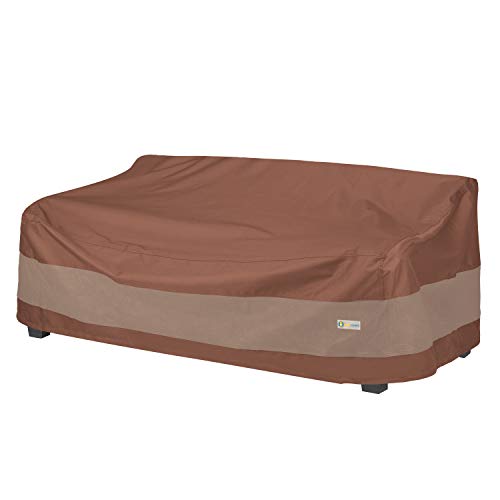
Choosing the right protective gear is another key step. I always opt for furniture covers that are breathable. These covers allow moisture to evaporate while shielding items from unexpected rain showers and dew. Covering your pieces during off-seasons further enhances their durability.
In addition to cleaning and covering, maintaining good airflow around your decor is vital. Placing items with adequate spacing between them allows for better circulation, which helps to keep dampness at bay. I found that elevating chairs on small blocks can also minimize the chance of water pooling underneath.
Ways to Keep Your Patio Items Free from Spoilage
I use protective covers during periods of non-use to shield my pieces from moisture and debris. These enclosures act as a barrier, minimizing direct contact with rain and humidity.
Choosing breathable materials is key. I opt for textiles designed specifically to resist water retention, ensuring quick drying after rainfall. Natural fibers may be beautiful but often retain moisture longer.


Regular cleaning is non-negotiable; I schedule bi-weekly cleanings to remove dust and organic matter. A mixture of mild soap and water works wonders. Once dry, I apply a protective spray designed to inhibit fungal growth.
I elevate items above ground using stands or platforms, promoting airflow beneath them. This reduces stagnant moisture that can arise from direct contact with grass or soil.
Adequate ventilation is essential, so I arrange my seating in open areas rather than cramped corners. This facilitates airflow and reduces humidity build-up.
During particularly humid seasons, I keep silica gel packets nearby to absorb excess moisture. I place them inside storage compartments for an extra layer of moisture control.
Finally, I routinely inspect for any signs of spoilage, taking prompt action if I notice discoloration or unpleasant odors. By addressing issues early, I avoid larger problems down the line.
Choosing Mildew-Resistant Materials for Outdoor Furniture
I recommend selecting high-density polyethylene (HDPE) for its durability and resistance to moisture. This material mimics the appearance of wood but does not absorb water, making it less prone to growth issues.
Natural Options
- Teak is an excellent choice due to its natural oils that repel water and prevent rot. Regular oil treatments further enhance its resilience.
- Cedar offers a similar benefit, with a pleasant aroma and natural preservatives that deter fungal growth.
Metal Choices
- Aluminum is lightweight and rust-resistant. Opt for powder-coated finishes for added weather resistance and protection against growth.
- Stainless steel also offers robust properties, particularly when combined with finishes that protect from moisture exposure.
Fabrics used in cushions should be made from synthetic materials like solution-dyed acrylic or polyester. These fabrics resist fading and are treated to repel water, making them less conducive to unwanted developments.
In summary, utilizing materials that naturally resist moisture buildup is key in maintaining the longevity and appearance of patio settings.
Optimal Storage Solutions for Off-Season Furniture
When storing patio items for the winter, I prioritize moisture-free areas. Basements or garages can trap humidity, so I choose a well-ventilated shed or a climate-controlled space.
I always clean my pieces thoroughly to remove dirt and stains, which can become breeding grounds for unwanted growth. After cleaning, I make sure to dry everything completely before storage.
Using furniture covers is a simple yet effective way to shield items from dust and dampness while in storage. I opt for breathable fabric covers to allow for airflow and minimize moisture buildup.
I utilize stackable storage solutions to maximize space. Stacking chairs and tables not only saves room but also keeps them organized and easier to access when the season changes.
In my experience, keeping cushions and pillows in airtight containers prevents dampness and pests. I choose containers that seal tightly to keep moisture out.
When it comes to larger pieces, I elevate them off the ground to avoid contact with any possible moisture or snow accumulation. I use wooden pallets or blocks for this purpose.
Lastly, I check on my items periodically throughout the off-season to ensure everything is stored properly and to catch any potential issues before they become larger problems.
Routine Cleaning Techniques to Remove Moisture and Dirt
Regularly using a mixture of warm water and mild soap is a simple yet effective method to eliminate moisture and grime from surfaces. I recommend a soft brush to gently scrub the materials, ensuring to reach into seams and corners where buildup often occurs.
For stubborn dirt, consider a solution of vinegar and water; this not only cleans but also helps in reducing excess humidity. After applying the mixture, I use a sponge for thorough cleaning and rinse with clean water. It’s crucial to dry surfaces immediately with a microfiber cloth to reduce moisture retention.
Using a power washer can be advantageous for deep cleaning, but it’s vital to adjust the pressure to avoid damaging the material. I often find that working with a narrow spray nozzle allows for precision without compromising strength.
Incorporating a routine vacuuming with a high-efficiency particulate air (HEPA) filter attachment helps remove dust and allergens effectively. This can significantly limit moisture collection and dirt accumulation.
After cleaning, I ensure to maintain airflow around items by keeping them arranged with some spacing, allowing for quicker drying. I find that regularly checking beneath cushions and covers for trapped water contributes to prolonged cleanliness and keeps surfaces looking fresh.
Utilizing Covers to Shield Furniture from Weather Elements
Investing in high-quality protective covers for your patio items is a direct way to extend their lifespan and maintain their appearance. Selecting covers that fit snugly will minimize exposure to moisture, dirt, and other environmental stressors.
Consider the material of the cover; options like breathable fabrics prevent condensation buildup, safeguarding the items underneath. Ensure that the covers have UV protection to resist sun damage, which can lead to fading and deterioration.
Pay attention to the following aspects when using covers:
| Aspect | Recommendation |
|---|---|
| Fit | Choose tailored covers to avoid gaps that allow elements in. |
| Material | Select breathable and waterproof materials to balance moisture control. |
| Fasteners | Look for covers with secure straps or ties to prevent wind from displacing them. |
| Maintenance | Clean covers regularly to avoid mold and dirt buildup; refer to the manufacturer’s guidelines. |
Utilizing covers effectively can create a barrier against harsh weather, preserving the integrity and aesthetic of your outdoor seating and tables. Regularly inspecting the covers ensures they remain functional and your belongings stay protected.
Implementing Proper Ventilation in Outdoor Spaces
Incorporating airflow around seating areas significantly reduces moisture buildup. Strategic placement of items allows natural breezes to circulate freely. Ensure that no pieces block airflow; this promotes drying after rain. Positioning seats to face prevailing winds can be advantageous.
Utilizing Plants for Airflow
Introduce a selection of low-maintenance plants that can serve dual purposes–adding aesthetic value while improving ventilation. Arranging greenery around different zones can create a natural wind tunnel effect, enhancing airflow throughout the space.
Design Considerations for Open Spaces
When designing or arranging, opt for furniture layouts that maintain space between pieces. This promotes air movement and minimizes damp spots. Elevated designs can also contribute by allowing air to flow underneath, facilitating faster drying after wet weather.
Regularly assessing these areas for obstructed airflow, especially during seasonal transitions, is crucial. I often adjust positions according to seasonal weather patterns to ensure optimal circulation and maintain a comfortable outdoor environment.
Applying Protective Treatments for Long-Lasting Maintenance
Regularly treating surfaces with appropriate sealants can dramatically extend their lifespan and enhance their resilience against moisture. I recommend selecting high-quality waterproof finishes or protective sprays designed for garden accessories.
- Choose a sealant suitable for the material type, such as wood, metal, or synthetic composites.
- Apply treatments in a well-ventilated area to ensure smooth coverage and proper drying.
- Consider using biodegradable options that reduce harmful environmental impacts.
After preparing the surface by cleaning and allowing it to dry completely, I follow these steps:
- Using a brush or spray applicator, evenly distribute the sealant, ensuring to cover all corners and edges.
- Allow the first coat to dry as per the manufacturer’s instructions before applying a second layer for added protection.
- Perform touch-ups annually and reapply treatments as necessary, especially if signs of wear appear.
In addition to sealing, using mildew-resistant coatings can offer more specialized protection. These products embed antifungal properties, making them particularly effective in damp conditions.
Lastly, maintaining a consistent application schedule is vital, adjusting frequency based on location and climatic conditions to prevent long-term damage. Consistent care helps maintain the aesthetics and durability of the items, ensuring they remain in top condition throughout their use.