
 Caleb Turner
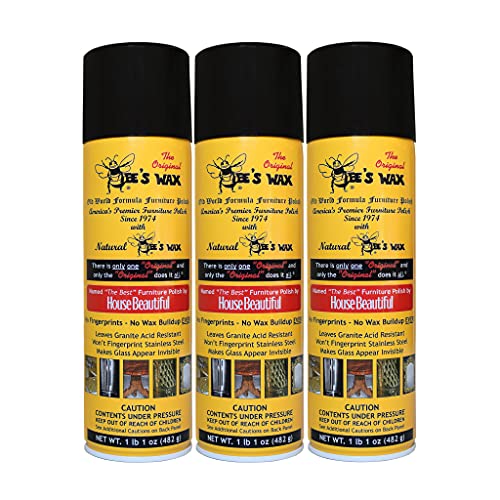
A blend of olive oil and vinegar transforms dull surfaces, leaving a natural shine. Combine two cups of olive oil with one cup of white vinegar in a spray bottle. This simple mixture enhances the wood’s grain while providing nourishment.
For added fragrance, consider incorporating essential oils like lemon or lavender. Just a few drops can infuse your home with a pleasant aroma while maintaining the integrity of the finish.
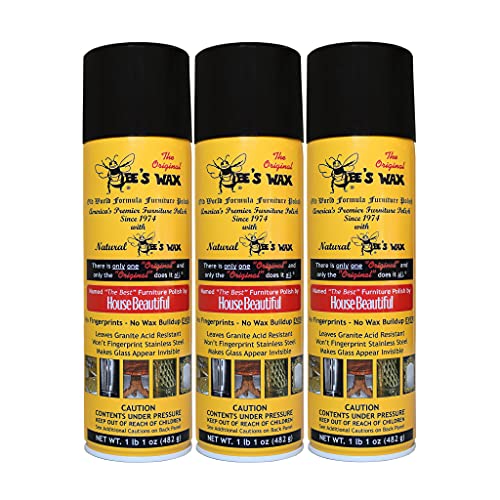

Before applying, always test a small, inconspicuous area to ensure compatibility with the finish. Spray your creation onto a soft cloth, then gently rub it onto the surface, moving in the direction of the grain. This technique not only polishes but also helps remove dust and minor stains.
Allow the solution to set for a few minutes, then buff with a clean, dry cloth for optimal results. Regular use of this homemade concoction preserves the beauty and longevity of wooden items in your living space.
Choosing the Right Ingredients for Your Polish
Opt for natural carriers like olive oil or coconut oil for moisture. These oils provide nourishment and help to enhance the wood’s natural luster without leaving a greasy residue.
Vinegar serves as an excellent cleaner and helps to cut through grime effectively. White distilled vinegar is acidic and can break down tough stains, making it a great choice for maintenance.
Add citrus essential oils for a pleasant aroma and additional cleaning properties. Lemon or orange essential oils not only smell refreshing but also possess antimicrobial qualities.
Be cautious when considering additives. Some ingredients, like beeswax, can create a protective layer that enhances shine but may require more effort to remove. For a simpler solution, stick to lighter mixtures.
| Ingredient | Purpose |
|---|---|
| Olive Oil | Moisturizes and enhances shine |
| Coconut Oil | Nourishes and protects |
| White Vinegar | Cuts through grime and cleans |
| Lemon Essential Oil | Antimicrobial and fragrant |
| Orange Essential Oil | Refreshing aroma and cleaning power |
| Beeswax | Creates a protective shine |
Experiment with ratios to find the ideal combination that suits the specific needs of your surfaces. A little goes a long way; focus on balance to maintain effectiveness without overwhelming the wood.
Steps to Create a Simple Wax-Based Polish
Gather the following ingredients: beeswax, carnauba wax, mineral oil, and essential oil for fragrance. These components ensure a smooth finish while offering protection.
Preparation
- Start by measuring 1/4 cup of beeswax and 1/4 cup of carnauba wax.
- Combine the waxes in a double boiler over medium heat until fully melted. Stir gently to ensure even blending.
Adding Oils
- Once the wax mixture is liquid, gradually add 1 cup of mineral oil while stirring continuously for about 5 minutes.
- For a pleasant aroma, integrate 10-15 drops of your preferred essential oil into the mixture. Lavender or lemon works well.
- Remove from heat and let it cool slightly before pouring into clean glass containers.
Allow the mixture to set completely. Once hardened, your homemade wax-based furniture treatment is ready for use. Apply a small amount with a soft cloth, rubbing in the direction of the wood grain for optimal results.
Creating an Oil-Based Solution for Wood Care
For restoring the luster of wooden surfaces, I recommend a blend of mineral oil and essential oils. This mixture not only nourishes but also provides a protective layer.
Ingredients Needed:
- 1 cup of mineral oil
- 10-15 drops of your choice of essential oil (e.g., lemon, lavender, or tea tree)
Mineral oil acts as a moisturizing agent and prevents drying, while essential oils impart a pleasant scent and may have antibacterial properties.
Procedure:
- In a clean, dry glass container, pour in the mineral oil.
- Add the drops of essential oil, adjusting the quantity based on desired fragrance intensity.
- Secure the lid tightly and shake the container gently until well combined.
For application, use a soft, lint-free cloth. Apply a modest amount of the mixture directly to the cloth, not the wood. Wipe the surface in the direction of the grain, ensuring an even coat.
To finish, allow the mixture to sit for about 15 minutes. Then buff the surface with a dry, clean cloth to achieve a gleaming shine. This technique not only enhances the appearance but also extends the life of your wooden items.
Natural Alternatives: Using Vinegar and Olive Oil
Vinegar combined with olive oil serves as a powerful solution for maintaining wooden surfaces. This mixture not only cleans but also nourishes the wood, giving it a natural shine.
Ingredients
- White vinegar
- Extra virgin olive oil
Ratio and Preparation
The ideal ratio is 1:3, meaning one part vinegar to three parts olive oil. For a small batch, mix 1/4 cup of vinegar with 3/4 cup of olive oil in a spray bottle or jar. Shake well before each use.
To apply, use a soft cloth, dampened with the mixture, and rub onto the surface in the direction of the grain. The vinegar cleans while the oil moisturizes, leaving a smooth finish.
This homemade cleaner not only avoids harmful chemicals but also revitalizes wooden items, ensuring they look vibrant and well-cared-for.
Adjusting Scents: Adding Essential Oils to Your Polish
Incorporating essential oils into my cleaning mixture can transform a simple blend into a delightful experience. For wood surfaces, I find lavender, lemon, or orange oils to be particularly effective. These fragrances not only enhance the aroma but can also impart additional cleaning benefits.
To achieve the desired scent strength, I use approximately 10-15 drops of essential oil per cup of the base solution. I prefer to start with a small amount, then adjust based on personal preference and the intensity of the oil. Mixing oils can create unique fragrances; for example, combining sandalwood with rose offers a warm and inviting scent.
To ensure the oils blend well, I always mix them with the carrier ingredients–beeswax or oil–before combining everything. This method helps to distribute the scent evenly throughout the mixture. When experimenting with different oils, I recommend keeping a record of combinations to find my perfect blend.
After adding essential oils, letting the mixture sit for a day allows the scents to meld, resulting in a richer aroma during application. This preparation boosts not just the smell but also the overall experience of using the product.
Lastly, I ensure any essential oils used are purchased from reputable sources, as purity can greatly affect both scent and cleaning properties. A well-crafted blend can elevate household maintenance from a chore to a pleasant ritual.
Storing and Applying Your Homemade Polish
For best results, I store my mixture in a clean, dry glass container with a tight-fitting lid to maintain freshness and prevent contamination. Always label the jar with the contents and date of preparation. A cool, dark place is ideal; direct sunlight and heat can alter the properties of the ingredients over time.
When ready to use, I shake the container gently to re-emulsify any settled ingredients. I apply the mixture with a soft, lint-free cloth, ensuring it’s only slightly dampened to avoid oversaturation. A small amount goes a long way–just enough to create a thin layer across the surface. I focus on working with the grain of the wood for optimal penetration and shine.
After application, I let it sit for a few minutes to absorb, then buff the surface with a dry part of the cloth for a smooth finish. Regular maintenance using this mixture can enhance the beauty and longevity of wooden surfaces, keeping them looking their best.


