Caleb Turner
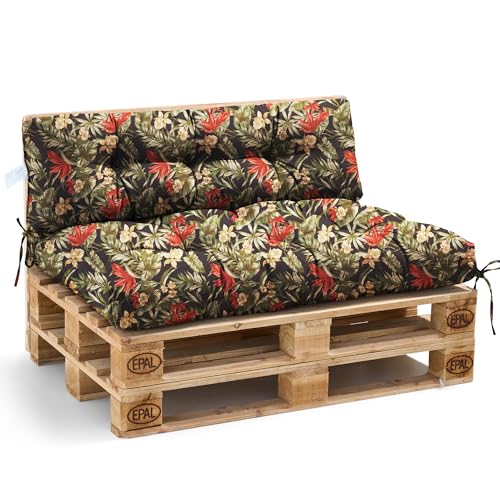
If you’re seeking a creative solution for outdoor seating, reclaiming timber from shipping crates is a practical choice. Start by gathering these materials, ensuring they are free of any hazardous chemicals or contaminants. A thorough inspection for damages will help you identify usable pieces.
Next, prepare the timber by sanding down rough patches and applying a weather-resistant finish. This step is crucial for durability against the elements. Opt for either a natural oil or a paint that complements your outdoor space.
Design your structure with comfort in mind. Consider dimensions that suit your space and the seating layout; elements like armrests or back supports can enhance usability. Use screws and brackets to ensure stability when assembling your pieces.
By following these guidelines, you will not only create unique, personalized seating but also contribute to a sustainable lifestyle through repurposing materials.
Creating Outdoor Seating and Tables from Reclaimed Shipping Crates
Choosing crates that are intact is a must. Look for solid pieces without cracks or visible damage. Ensure they are safe for outdoor use by treating them with a weather-resistant sealant.

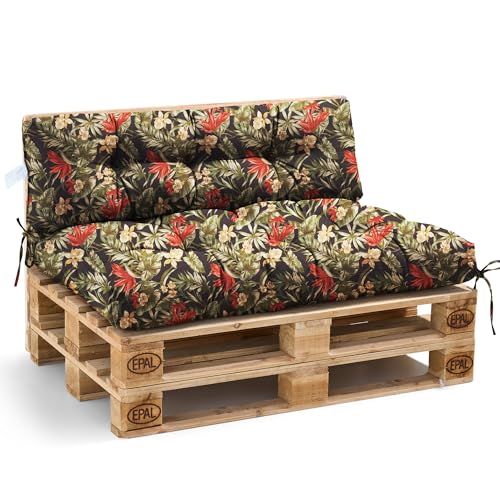
For comfortable seating, stack two or three crates on top of each other to form a seat. Secure them using screws or brackets for stability. Adding a cushioned top can enhance comfort. Use outdoor fabric to cover the cushions, protecting them from the elements.
When crafting tables, use similar crates as your base. A flat plank secured across the top can serve as the tabletop. Consider reinforcing the underside with additional supports for durability.
| Materials Needed | Quantity |
|---|---|
| Reclaimed crates | 3-4 |
| Weather-resistant sealant | 1 can |
| Outdoor fabric for cushions | 1-2 yards |
| Wooden planks for tabletops | 1-2 |
| Screws or brackets | As needed |
Always sand the surfaces to eliminate rough edges, preventing injuries. The final touch can be a coat of paint or stain to personalize the design. Regular maintenance involves reapplying the sealant annually to prolong the lifespan of these pieces.
Selecting the Right Type of Wood Pallets for Your Project
Choosing the correct wooden crates is pivotal for ensuring durability and aesthetic appeal. I recommend sourcing heat-treated pallets, as they comply with safety standards, particularly for outdoor use. Look for labeling indicating they are safe for repurposing.
Consider Weight Capacity
Evaluate the weight limitations of the selected crates. Heavier designs are preferable, as they can support structure and stability over time. Inspect the slats; thicker ones usually indicate robust construction, which is beneficial for outdoor applications.
Inspect for Damage
Examine potential candidates for cracks, splits, or deep scratches. Avoid any that show excessive wear or insect infestations, as these issues can compromise longevity. While minor blemishes can often be sanded out, major defects warrant finding a replacement.
Finally, consider the appearance of the crates. Selecting those with a pleasing wood grain or natural finish can enhance visual appeal, providing a rustic charm to your outdoor space. Prioritize quality over quantity for the best outcome.
Preparing Pallets: Cleaning, Sanding, and Treatment
First, thoroughly clean the crates to remove any dirt, debris, or chemicals. Use a mixture of warm water and mild soap, scrubbing each surface with a brush. Rinse well with clean water and allow them to dry completely. If the crates have stubborn stains, a pressure washer can effectively remove them without damaging the wood.
Sanding
After cleaning, the next step is sanding to achieve a smooth finish. I use medium-grit sandpaper to eliminate rough spots and splinters, then follow up with fine-grit sandpaper for a softer touch. Pay attention to any edges and corners, ensuring all surfaces are even. For larger areas, a power sander can speed up the process, but be cautious around the edges to avoid excess wear.
Treatment
To enhance durability, treat the wood with a protective finish. An outdoor-rated sealant or paint will shield against weather conditions. I prefer using a natural wood oil, as it penetrates deeply, highlighting the grain while providing moisture resistance. Apply at least two coats, allowing proper drying time between applications. If opting for paint, consider a primer before the topcoat to ensure adherence and longevity.
These steps are crucial for preparing your crates, ensuring both aesthetic appeal and functionality. A solid foundation will lead to satisfying results in your upcoming projects.
Designing Your Outdoor Seating Arrangement and Measurements
Establish a clear layout by measuring your available space. Determine the dimensions of your area using a measuring tape and note any obstacles such as trees or structures that may impact placement.
Consider these aspects for an optimal design:
- Seating Capacity: Identify how many individuals you want to accommodate. For a balanced design, allow at least 24 inches of width per person.
- Walking Space: Ensure at least 30 inches of clearance between seating and pathways to facilitate movement.
- Functional Zones: Plan distinct regions for relaxation, dining, or entertainment. Each zone should be easily accessible while maintaining cohesion.
When selecting measurements, prioritize comfort and functionality:
- Standard seat height is typically 18 inches; adjust as necessary for cushions or surfaces.
- Consider table height, generally around 28-30 inches for dining and lower for coffee tables.
- For lounge areas, a depth of 30-36 inches is comfortable for reclining.
Once you have finalized your dimensions, sketch your design on graph paper or use design software to visualize the space. It’s beneficial to play with different arrangements before committing to a layout that suits both style and practicality.
By systematically planning your design and measurements, I can create a functional and aesthetically pleasing outdoor space that meets my needs.
Step-by-Step Assembly of Pallet Chairs and Tables
Begin by collecting your cleaned and treated structures. For assembling a chair, I typically use two pallets for the seat and two for the backrest. Follow these specific actions:
- Position the first pallet horizontally to serve as the seat.
- Attach the second pallet vertically to form the backrest using screws or wood glue.
- For stability, connect the seat and backrest pallets at a 90-degree angle, ensuring alignment.
- Utilize additional support by fixing vertical legs from extra pallets at each corner of the base.
Creating the Table
To assemble a table, I use three pallets:
- Lay down one pallet flat; this will act as the tabletop.
- Position two pallets as legs underneath each end of the tabletop. Secure them using screws.
- Consider adding reinforcements diagonally from the underside of the tabletop to the legs for extra sturdiness.
Complete the structure by ensuring that all joints are tightly secured. This will enhance the durability and overall look of the chairs and table you crafted.
Final Touches
Inspect each piece for any rough edges and sand them as needed. Applying a water-resistant finish can prolong the lifespan of your creations. Enjoy your new outdoor seating arrangement!
Aesthetic Enhancements: Painting and Cushion Options
I recommend beginning your project with a quality outdoor paint or stain to protect against the elements. Choose a finish that adds character while ensuring durability; acrylic exterior paints or marine-grade finishes work excellently. For a cohesive look, consider matching the color palette with existing outdoor decor. A soft pastel or earthy tone can blend seamlessly with nature, while bright colors create a lively atmosphere.
Before applying any color, ensure surfaces are adequately prepared. Cleaning, sanding, and priming contribute to better adhesion and longevity of the finish. Use a paintbrush for detailed areas and a roller or spray gun for larger surfaces to achieve an even look.
Complement your seating and tables with cushions. Outdoor fabric options such as solution-dyed acrylic or polyester resist fading and moisture. When selecting cushions, focus on thickness for comfort. A density of at least 2.5 inches is optimal. To enhance visual appeal, mix and match patterns and textures–horizontal stripes combined with florals can add dynamism to your design.
It’s advantageous to use removable cushion covers for easy cleaning and maintenance. Waterproof zippered covers can protect the inner foam from spills and moisture. For an eco-friendly touch, select cushions filled with recycled materials.
Consider using decorative pillows to invite a cozy feel, playing with varying sizes and shapes to enrich the seating area. Lighting plays a significant role; string lights or lanterns can create a warm ambiance during evening gatherings.
Incorporating natural elements, like potted plants and outdoor rugs, can further enhance the aesthetic, creating a harmonious transition between your creations and the surroundings.
Maintaining and Weatherproofing Your Pallet Creations
Apply a high-quality outdoor sealant to protect against moisture. This layer acts as a barrier, preventing water damage and mold growth. Ensure the sealant is suitable for the type of finish you desire.
Regularly inspect for any signs of wear or damage. Look for cracks, splinters, and loose connections. Addressing these issues promptly can prolong the lifespan of your creations.
Cleansing with mild soap and water helps to maintain appearance and hygiene. Avoid abrasive cleaners that could damage the wood or finish. A soft cloth or sponge will suffice for routine maintenance.
Store items in a dry area during harsh weather conditions. If storage isn’t possible, consider using protective covers that fit snugly. This simple step can prevent exposure to elements like rain or snow.
Optional: Consider reapplying the sealant annually, particularly after a wet season. Over time, weather conditions can wear down protective coatings, making periodic maintenance necessary.
Using furniture pads under legs minimizes contact with the ground, reducing moisture absorption from damp surfaces. This is particularly beneficial during rainy periods.
Lastly, applying a coat of exterior wood paint can enhance protection while adding visual appeal. Choose a color that complements your outdoor space while ensuring the paint is designed for outdoor use.