
 Caleb Turner
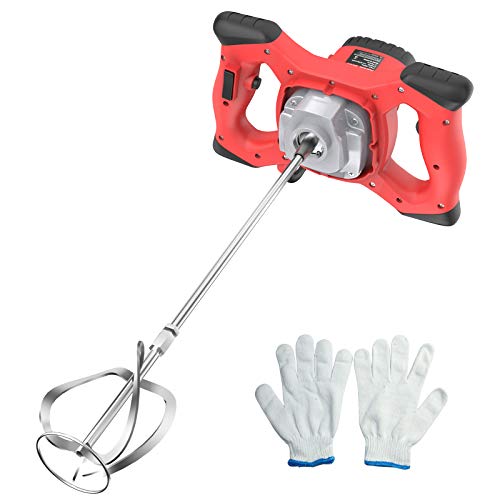
I found that blending creativity with practicality can yield stunning results using a durable mixture. Start with a strong formulation, using high-quality aggregates and a suitable binder. Mix until the texture is smooth, ensuring that all components are well-integrated to achieve stability in the final product.
Choosing the right mold is crucial for achieving the desired shape and finish. I prefer silicone molds for their flexibility, which makes demolding much easier. Applying a release agent can further enhance the ease of separation after the mixture sets. This helps to prevent damage and ensures a clean, professional appearance.
For enhancing aesthetics, consider integrating color pigments directly into the mixture or applying a stain afterward. Sealing the surface with a suitable finish protects against moisture and adds to the longevity of the striking designs. I often experiment with various textures through different finishing techniques to add depth and character to each piece.


Choosing the Right Cement Mix for Furniture
A blend with a higher ratio of aggregates ensures sturdiness in my pieces. I prefer a mix with about 60-70% aggregates to 30-40% cement. This ratio not only contributes to strength but also reduces cracking during the curing process.
Types of aggregates play a significant role. I usually opt for crushed stone or gravel for their durability, while sand can be added for a smoother finish. The texture and appearance of the final product often depend on these components.
- Portland Cement: This is the most common type, providing good strength and durability.
- Rapid-Set Cement: Ideal for projects requiring a quick curing time, allowing me to work faster.
- Colored Cement: When aesthetics matter, I choose this option for a personalized touch.
Incorporating additives can enhance properties. Using fiberglass reinforces the structure, while plasticizers improve workability. For outdoor creations, a mix that includes sealers can help resist weathering.
- Assess the specific use: Heavy-duty items need a stronger mix.
- Consider the finish required: Smooth surfaces might benefit from finer aggregates.
- Test small batches: This helps ensure the chosen blend meets expectations.
Understanding the curing process is vital. A controlled environment helps avoid rapid drying, which can lead to fissures. Keeping my pieces damp during the initial days post-pouring contributes to a resilient finish.
Essential Tools and Materials for Concrete Creations
Prioritizing your toolkit is key when crafting unique concrete pieces. Gather the following items:
- Concrete Mix: Select a high-quality blend suitable for casting. Consider options like Portland cement or specialized concrete mixtures recommended for artistic projects.
- Molds: Use silicone or plastic molds for intricate designs. For larger items, consider custom-built wooden frames.
- Mixing Tools: A sturdy bucket and a paddle mixer will ensure uniform consistency while blending materials.
- Safety Gear: Equip yourself with gloves, safety goggles, and a dust mask to protect against particles and chemicals.
- Level and Trowel: A spirit level helps achieve even surfaces, while a trowel assists in smoothing and shaping.
- Reinforcement Materials: Use wire mesh or rebar to enhance durability, especially for larger constructs.
- Sealer: Applying a protective sealant at the end preserves color and prevents moisture infiltration.
Organizing these supplies efficiently results in a smoother workflow, allowing creativity to take charge.
Preparing Molds for Concrete Projects
Choose a mold material that provides the necessary durability and flexibility. I often use plywood or melamine for creating sturdy custom shapes. Plywood is great for larger projects, while melamine offers a slick surface that helps with release.
Creating the Mold
When constructing the mold, measure and cut pieces accurately to ensure precise dimensions. Use wood glue and screws to assemble the pieces securely. For more complex designs, consider using silicone molds, as they are reusable and can capture intricate details.
Coating the Molds
Applying a release agent is crucial for easy removal after the mixture sets. A mixture of vegetable oil, wax, or a commercial mold release agent can work effectively. Ensure the entire interior of the mold is coated to prevent sticking.
| Material | Pros | Cons |
|---|---|---|
| Plywood | Sturdy, customizable | Can absorb moisture |
| Melamine | Smooth finish, easy to clean | Fixed sizes only |
| Silicone | Flexible, reusable | Higher cost |
Reinforce the mold with braces if working on larger pieces to maintain the shape under the weight of the mixture. After preparing, it’s advisable to let the mold sit for a day to ensure everything is set and ready for the project ahead.
Mixing and Pouring Concrete: Best Practices
For an optimal mixture, I ensure the right water-to-dry mix ratio, typically around 1:2 to achieve a workable consistency without compromising strength. Precision is key; I use a digital scale for measuring components.
Prior to combining, I thoroughly mix the dry ingredients–typically sand, aggregate, and Portland cement–in a wheelbarrow or mixing container. A robust mixing drill with a paddle attachment aids in achieving uniformity with minimal effort.
After the dry mix is homogenous, I gradually add water while continuously mixing. It’s imperative to avoid over-wetting, which can lead to weak products. The final blend should resemble thick pancake batter.
Once the mixture is ready, I pour it into pre-prepared molds. I start at one corner and allow it to flow to eliminate air bubbles. A gentle vibration technique, such as tapping the sides of the mold, can assist in releasing trapped air.
For thicker projects, I layer the mixture, allowing each section to partially set before adding more. This helps prevent sagging and promotes uniform strength throughout.
After pouring, I cover the molds with plastic to retain moisture, benefiting the curing process. I typically allow the product to set for a minimum of 24 hours before demolding, depending on the size and thickness.
Finally, curing is essential. I keep the pieces moist for at least a week, utilizing the plastic cover or occasional misting to enhance durability and reduce cracking. This careful approach throughout mixing and pouring ensures a sturdy end result.
Finishing Techniques for a Professional Look
To achieve a refined appearance for the concrete creations, I recommend sanding the surface after the initial cure period. Begin with a coarse grit sandpaper (around 60-80 grit) to remove any imperfections, followed by finer grits (up to 220) for a smooth finish. This process helps eliminate rough spots and creates a desirable texture.
Sealing for Protection
Applying a sealant is crucial. A polyurethane or acrylic-based sealer provides a protective layer against stains and moisture. Before sealing, ensure the surface is thoroughly cleaned and dried. I find that applying multiple thin coats enhances durability; let each layer dry as per the manufacturer’s instructions, usually 24 hours between coats.
Acid Staining for Aesthetic Appeal
Acid staining introduces depth and unique color variations. I prefer using a diluted solution, applying it with a sprayer or brush for an even application. After staining, neutralize the acid with a baking soda and water mix to stop the reaction before rinsing thoroughly. A sealer afterward enhances the stain and provides a glossy finish.
Maintenance Tips for Cement Furniture Longevity
Regular sealing is crucial to keep surfaces protected from moisture and stains. I apply a quality penetrating sealer every 6 to 12 months, depending on exposure to the elements. This step prevents water ingress, which can cause cracking and deterioration over time.
Cleaning Techniques
For basic cleaning, I use a damp cloth and mild soap solution. Avoid abrasive materials that could scratch the surface. For tough stains, a mixture of baking soda and water works effectively without damage.
Protection from Physical Damage
To minimize chips and cracks, I ensure the placement of coasters under heavy or sharp objects. In outdoor settings, I avoid dragging items across surfaces. I also consider using felt pads on the bottom of furniture legs, particularly for indoor arrangements.
In winter, protecting outdoor pieces from frost and ice prevents cracking. I cover them or bring them into a sheltered location during harsh weather. Additionally, if any surface does sustain damage, I address it quickly by patching and resealing the area to prevent further issues.
Lastly, keeping a consistent check on joints and seams for wear allows me to catch issues early and ensure longevity.


