
 Caleb Turner
Regularly inspect your seating for signs of fungal growth. A quick visual check can help catch any issues early on before they become a larger problem.
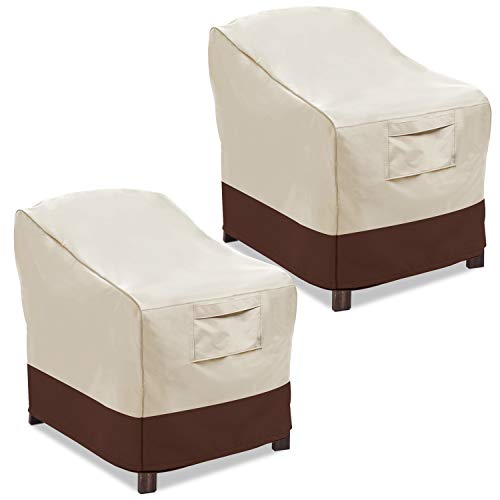
Utilize breathable covers during periods of non-use. High-quality, waterproof, yet breathable materials allow moisture to escape, significantly reducing the likelihood of mildew development.
Ensure proper air circulation around your pieces. Arranging them with enough space can facilitate airflow, minimizing stagnant moisture that often contributes to fungal growth.


Consider using a mixture of vinegar and water as a natural cleaning alternative. This solution can help remove existing spores and prevent future outbreaks without harsh chemicals.
Choose materials wisely. Opt for teak, cedar, or synthetic options that are specifically designed to withstand the elements, reducing the risk of mold proliferation.
Store any cushions indoors during inclement weather. Keeping them dry not only extends their life but also deters the growth of unwanted organisms.
Implement a regular cleaning routine. Keeping your seating free of dirt and debris can minimize the environments where spores thrive.
Preventing Spoilage of Garden Seating
Regular maintenance is key to ensuring the longevity of garden seating. First, choose appropriate materials resistant to dampness. Options like teak or aluminum are recommended; they withstand moisture better than traditional wood.
Cleaning Schedule
Implement a routine cleaning process. Aim to clean every few weeks during the warmer months. Use a mixture of mild detergent and water; scrub surfaces gently with a soft brush. Ensure all residue is rinsed thoroughly to prevent buildup.
Storage Solutions
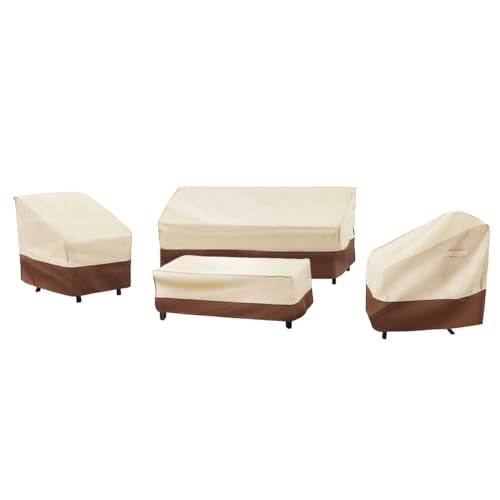
When not in use, store items in a dry, covered area. Consider using protective covers designed specifically for your seating type. Ensure these covers are breathable to prevent trapped moisture.
- Use a dehumidifier in enclosed storage areas.
- Regularly check for and fix leaks in your storage area.
- Consider applying a protective sealant once a season for added defense.
By following these guidelines, I maintain a clean and enjoyable seating area, free from unwanted growth.
Choose Mold-Resistant Materials for Your Furniture
Selecting appropriate materials is critical. I prioritize aluminum or stainless steel frames, as they are resilient and do not retain moisture. These metals naturally resist deterioration, making them hardier against external elements.
Next, I opt for synthetic resins such as polyethylene or polypropylene for seating surfaces. These plastics are designed to withstand the elements and have built-in characteristics that deter microbial growth. They are also easy to clean, which enhances durability.
In addition, using textiles that are specifically treated for weather resistance is beneficial. Fabrics like solution-dyed acrylic or polyester can be resistant to moisture accumulation, ensuring that water and dampness do not penetrate the fibers.
I also consider composite materials made from a blend of wood fibers and recycled plastics. These materials mimic traditional wood but possess greater resilience against environmental factors, thus preventing deterioration over time.
Using treated wood with a protective sealant can add extra protection. This approach ensures that the organic components receive an advanced barrier against moisture, delaying any degradation and unwanted growth.
Finally, incorporating glass options, such as tempered glass tabletops, offers a stylish yet practical solution. Glass is impervious to moisture and provides an easy-to-wipe surface that remains pristine. Choosing the right materials yields significant benefits for longevity and aesthetics.
Apply Protective Sealants Regularly
I recommend treating surfaces with high-quality sealants at least once a year. Choose products suitable for the specific materials–wood, fabric, or metal. For wooden items, opt for a penetrating sealant that provides moisture resistance and inhibits degradation. Apply it after cleaning to ensure optimal adhesion.
For furniture made from synthetic textiles, a water-repellent spray will help prevent liquid absorption, reducing the chance of growth. Test a small area first to confirm compatibility and avoid discoloration.
For metal structures, consider a sealant specifically designed to protect against rust and corrosion. Application in dry conditions will enhance bonding and effectiveness.
Be vigilant about reapplication after harsh weather events or cleanings. Regular inspections for wear on these coatings will allow for timely maintenance, extending the lifespan of your items significantly.
Store Furniture in a Dry, Covered Area
Choosing a sheltered location for your seating and tables significantly discourages the growth of unwanted organisms. A garage, shed, or porch with a roof offers protection against moisture from rain, humidity, and dew. When the weather turns grim, I ensure my items are stored away in such areas to minimize exposure.
If a dedicated storage space is unavailable, consider investing in high-quality tarps or outdoor covers specifically designed for patio ensembles. These can provide an additional layer of defense against unwanted moisture. Remember, maintaining airflow is also critical, so opt for covers that are breathable, preventing condensation buildup underneath.
Regularly inspect the stored items for signs of dampness or condensation. Taking the initiative to periodically dry any cushions or protectors before placing them back in storage can greatly prolong their life. Consistency in these practices leads to a more enjoyable experience with my outdoor pieces whenever I decide to take them out.
Utilize Furniture Covers During Off-Season
Investing in high-quality protective covers is a straightforward approach to safeguarding your patio pieces from dampness and fungi during the inactive months. Make sure to select covers that are breathable yet waterproof, preventing condensation buildup that can lead to issues.
Securely draping the covers over your items helps block moisture and debris. Utilizing straps or weighted edges will enhance stability against wind displacement. Regularly checking the condition of the covers ensures their effectiveness and longevity.
It’s wise to clean your seating and tables thoroughly before covering them to prevent any leftover dirt or residues from fostering growth. Incorporate storage techniques for your cushions, as moisture can accumulate inside them as well. Consider the following table for actionable steps:
| Action | Details |
|---|---|
| Select Appropriate Covers | Opt for breathable yet waterproof materials that prevent moisture accumulation. |
| Secure Properly | Use straps or weights to ensure covers remain in place during windy conditions. |
| Clean Before Covering | Wipe down surfaces to eliminate any existing dirt that could harbor spores. |
| Inspect Regularly | Check covers for wear and tear to maintain their protective properties. |
By following these straightforward actions, I can significantly reduce the risk of damage during storage periods, extending the lifespan of my outdoor seating effectively.
Keep Furniture Clean and Free of Debris
Regularly clearing away leaves, dirt, and other organic matter from surfaces is vital. I make it a point to sweep or wipe down the seating and tables at least once a week, especially after windy days or heavy rains.
Using a mild detergent and warm water helps remove stubborn stains along with debris. I employ a soft brush or cloth to ensure I don’t damage the finish while cleaning. Pay close attention to crevices and joints where dirt tends to accumulate.
Investing in a portable vacuum with attachments for outdoor surfaces is handy. I find it particularly effective at removing pollen, sand, and smaller particles that can contribute to decay over time.
After cleaning, I let the pieces air dry completely before reapplying any protective sprays or sealants. This helps prevent any moisture-related issues that might arise from trapped water.
Establishing a routine maintenance schedule throughout the season guarantees that my belongings stay in great condition, prolonging their lifespan and retaining their aesthetic appeal.
Improve Air Circulation Around Furniture
Position items in a way that allows air to flow freely around them. Create spacing between pieces to avoid trapping moisture. For larger sets, consider arranging them in a circular or diagonal layout instead of pushing them closely together against walls or fences.
Use elevated surfaces to facilitate airflow from below. Opt for furniture stands or trays that lift items off the ground, preventing moisture accumulation from the soil. This not only helps with ventilation but also keeps items drier after rain.
Place items in areas where natural breezes can reach them. Avoid spots that are shielded from wind exposure. Strategically situate your decor in locations that receive both sunshine and air movement, minimizing dampness and promoting quicker drying after precipitation.
Regularly reposition the items throughout the season as outdoor conditions change. This allows different sections to benefit from varying wind patterns and sunlight, further enhancing drying times and reducing humidity buildup.
Consider the use of fans or other mechanical aids during especially humid periods. A gentle breeze can significantly assist in preventing moisture accumulation, ensuring that surfaces remain dry and conducive to long-lasting appeal.
Use Natural Remedies to Prevent Mold Growth
I recommend utilizing a mixture of vinegar and water as a natural deterrent. Combine equal parts of white vinegar and water in a spray bottle and apply this solution directly to the surfaces. Vinegar is known for its antifungal properties, making it effective in discouraging the formation of unwanted spores.
Essential Oils as a Preventive Measure
Add a few drops of tea tree oil or lavender oil to your vinegar solution for enhanced effects. These oils have antimicrobial properties, further hindering the development of undesirable organisms while imparting a pleasant fragrance.
Regular Application of Baking Soda
Another practical approach is to sprinkle baking soda on surfaces prone to dampness. Mix it with water to create a paste for application. Baking soda absorbs moisture and helps maintain a dry environment, reducing the potential for growth.
Inspect Furniture Frequently for Signs of Mold
Regular evaluations are essential. I make it a point to inspect my items at least once a month, focusing on shaded areas where moisture can accumulate. Unattended spaces can harbor spores waiting for the right conditions.
Key Inspection Points
- Look for discoloration or dark spots, which may indicate growth.
- Check under cushions or other protective layers where moisture can be trapped.
- Pay attention to seams and corners, as these areas can often go unnoticed.
- Inspect any attached accessories, like pillows or blankets, as they can absorb moisture and promote growth.
If I identify any suspicious patches, I act quickly. Removing affected areas and using appropriate cleaning agents ensures that I address the problem before it spreads. After cleaning, I allow the items to dry thoroughly, preferably in sunlight, as UV rays can help eliminate any remaining spores.
Document Your Findings
I find it helpful to keep a log of my inspections. Recording the date, findings, and any actions taken allows for better tracking over time. It also helps in planning preventive measures for the upcoming season.


