
 Caleb Turner

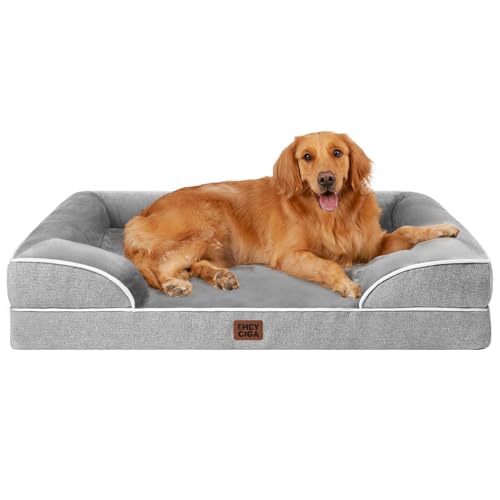
Establish a designated area with comfortable bedding and toys to encourage your pet to remain in a specific location. This space will serve as a comfort zone, providing your furry friend with everything they need during recovery.
Utilize baby gates or barriers to restrict access to rooms with high surfaces. Installing them at doorways will help maintain a safe environment and prevent any attempts to reach couches or beds.


Incorporate positive reinforcement techniques. Reward your pet with treats and praise when they stay in their designated area. This approach can successfully encourage desired behavior and reduce unwanted actions.
Consider the use of protective coverings for furniture. Utilizing slipcovers or throws can help minimize any potential damage and make cleanup easier after accidental incursions.
Monitor your pet’s activity closely during recovery. Frequent check-ins will help ensure that they’re adhering to restrictions and will allow for timely interventions if necessary.
Finally, maintain routine and consistency to help your pet adjust. Establish a daily schedule for walks and playtime, ensuring they remain physically and mentally stimulated while restricting access to furniture.
Strategies to Prevent Access to Elevated Surfaces Post-Procedure
Implement barriers such as baby gates or exercise pens to restrict access to certain areas. This physical separation creates a clear boundary and can effectively discourage unwanted leaping.
Comfortable Alternatives
Provide a designated resting area with a supportive bed near family activity zones. Allowing them to feel included without access to higher levels can reduce the urge to explore higher surfaces.
Engagement and Distraction
- Incorporate puzzle toys that require mental effort. This can divert attention away from surfaces they shouldn’t be on.
- Establish a routine with short, calm play sessions that include commands and rewards, reinforcing good behavior.
- Consider interactive games that keep them engaged at a lower level, promoting relaxation and reducing restlessness.
Consistent reinforcement of limitations is vital. Use positive reinforcement when they stay grounded, offering treats or affection as rewards for appropriate behavior. Monitoring behavior closely will ensure adherence to recovery protocols and minimize the risk of complications during the healing phase.
Understanding Your Companion’s Post-Surgery Behavior
Observing changes in your companion’s actions is crucial following any medical procedure. Discomfort may drive altered movements or behavior. Recognizing these symptoms can assist in ensuring proper recovery. Look for signs of restlessness, excessive licking at incisions, or reluctance to move. These behaviors signal the need for intervention and monitoring.
Coping Mechanisms
Implementing a comfortable and secure environment fosters a positive recovery experience. Setting up a confined area with soft bedding can encourage resting and minimize stress. Engaging in calm interactions, using soothing tones, promotes trust and reassurance. Consult with your veterinarian about any changes in behavior; they can provide tailored advice to address specific concerns.
Daily Routine Adjustments
Adjusting daily activities is essential. Short, controlled walks are beneficial, providing some physical stimulation without straining the recovery area. Watching closely during these outings aids in preventing sudden movements that may cause harm. Create a schedule that includes regular feeding and quiet times, helping establish a routine that contributes to healing.
| Behavior | Possible Cause | Recommended Action |
|---|---|---|
| Restlessness | Pain or discomfort | Consult vet, consider pain relief |
| Excessive licking | Itching or irritation | Use of an e-collar if recommended |
| Reluctance to move | Injury or stiffness | Gentle assistance and encouragement |
Setting Up a Safe Recovery Area for Your Dog
Create an enclosed space using baby gates or a pen, limiting access to high-risk zones. This ensures that your pet remains secure while avoiding hazardous areas like stairs or slippery floors.
Choose Comfortable Bedding
Select a soft, supportive bed placed in the recovery zone. Ensure it’s large enough for your companion to rest comfortably without feeling cramped, as this promotes relaxation during healing. Consider orthopedic options if recommended by your vet.
Maintain a Calm Environment
<p.Minimize noise and activity in the vicinity to reduce stress. Soft lighting and calming scents, such as lavender, can help create a soothing atmosphere. Regularly check on your companion while keeping interactions gentle and reassuring.
Using Physical Barriers to Prevent Access to Furniture
I recommend utilizing physical barriers strategically placed around your home to restrict access to areas where pets are not allowed. Options like baby gates or pet panels can effectively create boundaries. Make sure these barriers are tall enough to deter any attempts to leap over them.
Another practical approach involves the arrangement of furniture. Positioning larger items, such as bookshelves or couches, can block pathways leading to elevated surfaces. If shifting furniture is an option, consider creating a layout that limits your pet’s ability to reach those off-limits spots.
Creative Solutions with Covers and Mats
Using slipcovers or throw blankets on furniture can serve a dual purpose. First, they create an additional texture that may discourage pets from making themselves comfortable. Second, they’re easy to remove for washing, maintaining hygiene during recovery.
Temporary Fencing and Crates
For more stubborn friends, temporary fencing around specific areas can provide a clear visual cue that those zones are restricted. Additionally, crates offer a safe, designated space for your pet, giving them comfort while ensuring they are unable to access certain areas of the home.
Training Techniques to Discourage Jumping
Utilizing positive reinforcement has proven to be successful. Each time the pet remains on the ground after a command, reward with treats or praise. Gradually, this builds a strong association between staying in place and receiving rewards. Consistency is paramount, so ensuring everyone in the household follows the same rules is key.
Redirecting Attention
Engaging the canine in alternative activities can help divert their focus. Introducing interactive toys or puzzle feeders keeps them occupied and lessens the urge to leap onto prohibited areas. Make these alternatives readily available to encourage exploration without the need to jump.
Command Training
Teaching essential commands like “off” or “stay” plays an integral role. Begin practice sessions in low-distraction environments, gradually increasing complexity as the pet becomes more reliable. Reinforce the commands with treats and affection for compliance, and repeat consistently to solidify understanding.
Understanding body language is invaluable. I watch for signs of restlessness or excitement, leading to potential leaping. By recognizing these cues, I can preemptively redirect the behavior before it escalates.
Incorporating short training sessions boosts engagement. Keeping them brief, around 5-10 minutes, maintains interest and reduces frustration. Regular practice helps solidify desired behaviors, making it less likely for the furry companion to seek out higher ground.
Alternative Comfort Options for Your Dog
I recommend considering various alternatives that can provide relief and comfort during recovery. Here are some effective options:
-
Orthopedic Dog Bed:
Select a high-quality orthopedic bed that supports joints and reduces pressure points. This type of bed can significantly enhance restfulness.
-
Soft Blankets:
Provide a few soft blankets to create a cozy environment. Make sure they are clean and easily washable for hygiene.
-
Cuddly Toys:
Introduce some soft, cuddly toys that can offer companionship and soothing sensations. Look for non-toxic materials that are safe for your pet.
-
Calming Products:
Utilize calming sprays or diffusers with natural scents. Products containing lavender or chamomile can have a soothing effect.
-
Heating Pads:
Apply a heating pad set to a low temperature. Ensure it is covered with a cloth to avoid direct contact with the skin; this can help relax muscles.
-
Personalized Space:
Create a designated space with their favorite items. Familiar smells and environments can promote comfort and ease anxiety.
Each option can significantly contribute to a nurturing atmosphere, enhancing the recovery experience. Choose a combination that suits your pet’s preferences and needs.
Monitoring Your Pet’s Recovery and Behavior
I utilize a daily check-in routine to observe physical changes such as swelling, redness, or unusual discharge around the surgical site. Keeping a notebook helps track any shifts in appetite or drinking habits, as these can indicate discomfort or complications. I set fixed times for medication administration and note any reactions to these treatments, including lethargy or signs of pain.
Regularly watching for behavioral changes is key. If my furry friend shows signs of anxiety, such as excessive barking or restlessness, I take immediate action to address it. Calm environments with consistent routines greatly assist in easing stress and promoting healing.
I conduct short, controlled sessions of gentle movement within the recovery space to observe mobility and gait. This not only aids in monitoring but also encourages gradual physical activity, essential for healing without overexertion.
I maintain communication with the veterinarian, reporting any concerning signs without delay. Scheduled follow-up appointments are also crucial for professional assessment of my pet’s recovery trajectory.
By integrating these practices, I ensure that I am actively engaged in my companion’s healing process, leading to a smoother and more positive recovery experience.
Engaging Your Companion with Interactive Toys
Utilizing stimulating toys can significantly assist in redirecting attention away from prohibited areas during the recovery period. Choose toys that require problem-solving skills, such as treat-dispensing puzzles or toys that squeak. This encourages mental engagement.
Types of Interactive Toys
1. Puzzle Feeders: These toys provide not only a challenge but also reward your pet with treats once solved. They can distract from boredom and reduce anxiety levels.
2. Snuffle Mats: These allow the animal to search for hidden treats in fabric layers, offering both mental stimulation and an outlet for natural foraging behavior.
3. Battery-Operated Toys: Consider those that move unpredictably. They stimulate chase instincts while staying safe and minimizing physical exertion.
Routine and Interaction
Incorporating interactive playtime into daily routines encourages attention on tasks rather than restricted activities. Gradually increase engagement duration to avoid overstimulation. Additionally, I can participate in the activities to enhance bonding while reinforcing calm behavior.
Consulting with Your Veterinarian for Guidance
Engaging with a veterinarian is critical in managing post-operative routines. They can outline specific limitations based on the type of procedure performed, ensuring a tailored recovery plan. I ensure to discuss any concern regarding mobility and activity restrictions that must be enforced during the healing period.
Specific Advice on Activity Restrictions
I ask my vet for tailored guidelines regarding how long to restrict mobility. This is essential for understanding when gradual re-introduction of activities is safe. By following their recommendations, I can prevent complications that may arise from premature movement.
Monitoring Progress and Signs of Distress
Regular check-ins with the veterinarian allow for monitoring any signs of discomfort or setbacks. I take note of behavioral changes that might indicate pain or anxiety, and relay these observations during veterinary visits. This feedback can influence treatment adjustments, ensuring optimal healing conditions are maintained.


