
 Caleb Turner
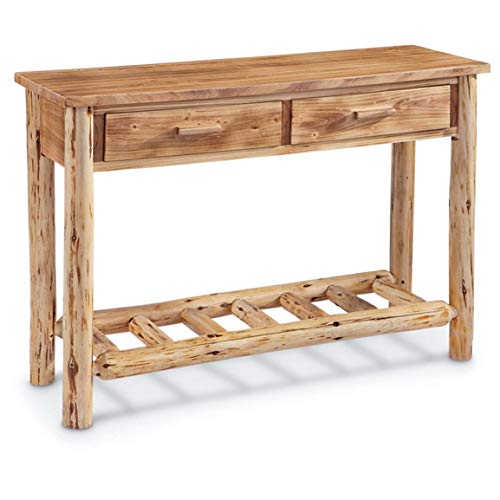
To distinguish the allure of Monterey design, pay close attention to the curved lines and natural materials characteristic of this style. The use of distressed wood is a signature feature, often showcasing a rustic finish that conveys warmth and history.
Look for distinctive elements such as intricate carvings and a blend of functionality with aesthetic appeal. The pieces typically have a casual yet elegant feel, seamlessly integrating with a variety of interior decor themes.
Another key aspect is the color palette–earthy tones and soft pastels dominate, enhancing the overall ambiance. This simplicity in color allows the craftsmanship to shine, with each piece telling its own story.


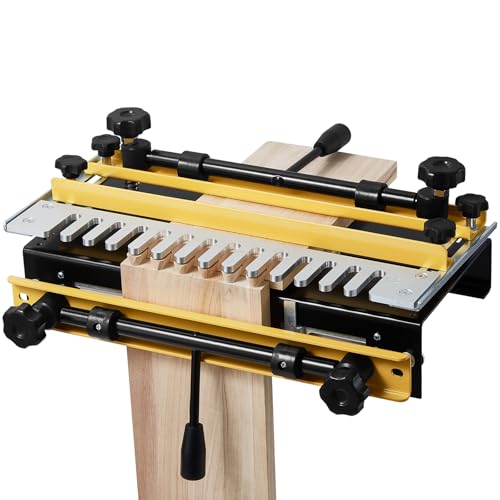
Examine the scale of the items; Monterey pieces often feature larger silhouettes that convey comfort and inviting space. A well-crafted piece will have solid construction, emphasizing durability alongside its artistic design.
Lastly, if you come across woven textures or mixed materials, it’s a positive indication of Monterey influence. These details not only add visual interest but also emphasize the blend of nature and artistry that defines this charming style.
Recognizing Monterey Style Pieces
Check for natural wood finishes, often showcasing warm tones like amber, chestnut, or walnut. These elements highlight the craftsmanship typical of this design approach.
Design Elements to Observe
- Carvings: Look for intricate floral or geometric designs that enhance the character of surfaces.
- Materials: Expect a focus on solid woods rather than veneers or particle board.
- Leg Styles: Tapered or turned legs contribute to the unique aesthetic.
Hardware and Features
- Examine drawer handles and knobs; these often exhibit vintage metal finishes.
- Check for dovetail joints in drawer construction, a sign of quality craftsmanship.
- Look for hand-applied finishes, giving each piece a unique touch.
Pay close attention to all these details; they collectively reveal the authenticity of a true Monterey-style item.
Recognizing Key Design Features of Monterey Furniture
Pay attention to the distinctive curves and flowing lines that characterize this style. Many pieces feature rounded edges and soft silhouettes, creating an inviting aesthetic.
Look for natural wood grains that are prominently displayed. The use of warm tones and finishes highlights craftsmanship, emphasizing the beauty of the material itself.
Notice the incorporation of decorative details. Carvings and inlays are common, often inspired by nature, adding a unique flair to each piece.
Check for functionality in design. Multi-purpose items that balance form with practicality reflect an intentional approach to both style and utility.
Be aware of the use of woven elements or textiles. Natural fibers can complement wooden pieces, creating a harmonious blend that enhances comfort and visual appeal.
Finally, observe the scale of the items. Many creations embrace a balanced proportion, allowing them to fit seamlessly into various spaces while maintaining an intentional aesthetic.
Assessing Materials Used in Monterey Furniture Construction
I assess the woods used in these pieces, primarily focusing on redwood and pine. Redwood offers a unique combination of durability and an attractive grain, while pine is lighter and often features a more rustic appearance. I check for knots and imperfections, which can indicate authenticity, as handcrafted items may exhibit these characteristics.
Next, I examine the finishes. Authentic works may feature natural stains that enhance the wood’s appearance without obscuring its inherent beauty. I pay attention to the texture; a smooth finish typically signifies mass production, while a hand-sanded quality suggests artisanal craftsmanship.
Metal components, if present, should be minimal and crafted from sturdy materials, often showing signs of patina or wear. I prefer to see original hardware, as replicas may spoil the charm of a vintage piece.
Finally, I inspect any upholstery materials. Genuine articles may use fabrics with natural fibers, such as cotton or wool, without synthetic blends, further showcasing the commitment to quality typical of authentic designs.
Identifying Authenticity Through Labeling and Stamps
Examine the underside or back of pieces for specific labels or stamps indicating manufacturer origin. Authentic items often feature the brand name prominently, sometimes along with a date or production number.
Common Marks to Look For
- Manufacturer Labels: Renowned brands frequently used paper labels, which may be affixed with glue or nails.
- Stamps: Wooden pieces often bear a burned stamp, clearly visible if the item is well-preserved.
- Model Numbers: Check for any numerical codes associated with specific styles or collections.
Understanding these markings can lead you to a more profound appreciation of the piece. In addition, it’s essential to research and familiarize yourself with these details as they can vary over time.
Documentation and Provenance
- Certificates of Authenticity: Some furniture comes with official documents certifying its authenticity.
- Provenance Records: History of ownership can greatly enhance the value and veracity of a piece.
Collecting supporting documents adds credibility to the item, ensuring its status as a genuine creation from respected artisans. Engaging with reputable dealers can provide insight into these aspects.
Examining Joinery Techniques in Monterey Furniture
Prioritize the evaluation of joinery methods to assess quality. Authentic pieces often feature traditional techniques, such as mortise and tenon or dovetail joints. These constructions indicate craftsmanship and durability, often absent in contemporary manufacturing.
Inspect joints for signs of handwork; irregularities can be a testament to genuine artistry. Machine-made joints tend to be uniform and lack character. For example, well-executed dovetails will show a slight taper, enhancing strength and aligning properly.
Slide your fingers along the surfaces to feel for smoothness and attention to detail. Real craftsmanship will leave no sharp edges or rough patches, suggesting careful finishing. Additionally, examine the use of dowels as reinforcement; their presence typically emphasizes sturdiness.
Remember to research specific techniques associated with this genre. Certain furniture styles might incorporate unique joinery methods exclusive to their design heritage, adding further value and connection to the origins of the piece.
Lastly, consider the overall structure and how the joints contribute to stability. An authentic item will showcase skillful integration of pieces, ensuring longevity and functionality as part of its design ethos.
Understanding Monterey Furniture Styles and Variations
To recognize the diverse aesthetics associated with this craftsmanship, I focus on three primary styles: the traditional, contemporary, and rustic. Each displays unique attributes that appeal to different tastes.
The traditional variant showcases intricate carvings, rich wood grains, and classic silhouettes. Look for elements such as intricate moldings and detailed embellishments–these features signify a commitment to time-honored design principles.
Contemporary styles lean towards minimalism, emphasizing clean lines and functional designs. Here, the use of mixed materials like metal and glass might be apparent, creating a sophisticated yet practical appearance that suits modern interiors.
Rustic interpretations often incorporate reclaimed wood and distressed finishes, offering a charming, weathered look. Notable characteristics include organic shapes and rough textures, bringing a sense of warmth and character into a living space.
Exploring these variations broadens the understanding of their appeal, making it easier to spot distinctive characteristics that reflect personal style preferences.
Additional examination of color palettes reveals another layer. Traditional pieces commonly feature deep, warm tones, whereas contemporary models may embrace brighter or muted shades, and rustic designs often boast earthy hues. Recognizing these themes can greatly assist in assessing whether a piece aligns with preferred aesthetics.
By focusing on these distinctive styles and their variations, the nuances inherent within this craft become apparent, allowing for more informed choices when curating a collection or enhancing a home environment.
Spotting Common Scams and Replicas in the Market
Examine the price point critically; authentic pieces often carry a premium due to quality craftsmanship and materials. If a seller offers items that seem unusually low-priced for the style, it’s a potential red flag.
Evaluating Seller Credibility
Research the seller’s background. Trustworthy dealers often have an established history and positive reviews. Check their website and social media profiles for customer feedback, which can reveal their reliability.
Inconsistencies in Design
Compare the item to verified examples. Look for discrepancies in proportions, ornamentation, and overall style. Authentic designs are typically consistent in their aesthetic, whereas replicas may lack these characteristics or have obvious flaws.
Inspect the construction methods. Genuine creations feature high-quality joinery techniques, whereas counterfeit pieces might use cheaper fasteners or visible glue. Look closely at the joints and seams for signs of inferior assembly.
Lastly, seek expert opinions. Consulting a specialist can provide insight into the authenticity of a piece, especially when unsure about certain characteristics or features. Their expertise can help avoid costly mistakes.
Researching the History and Origin of Specific Pieces
Begin with understanding the provenance of your item. Seek out any historical documentation or provenance associated with the piece. Look for sales receipts, shipment records, or ownership histories. Such documentation can greatly enhance the value and authenticity of the object.
Visit local historical societies or museums that focus on regional craftsmanship. Many times, these institutions hold archives or databases that can provide insight into manufacturers and their design evolution. Engaging with their resources can yield invaluable information about the craftsmanship and distinct characteristics of various items.
Consult periodicals or catalogs that feature mid-20th century artisans or manufacturers. Publications from that era often include articles and advertisements that showcase specific designs. This comparison can help validate details such as joinery and material use in your piece against typical standards of the time.
Engaging with reputable online forums or social media groups that specialize in vintage design can connect you with experts or enthusiasts who share a passion for similar artifacts. They may have insights into lesser-known makers or variations that aren’t widely documented.
Additionally, reference books focused on specific manufacturers or styles may hold crucial information. Investigate titles that detail the evolution of designs and the sociopolitical contexts that spurred these trends. You might find clues that clarify whether your piece aligns with recognized styles or deviates into less esteemed realms.
Finally, remember to document your findings meticulously. Creating a detailed account of the research can provide context and enhance the story behind your acquisition. This documentation could prove beneficial should you ever decide to sell or pass it on.
| Research Method | Description |
|---|---|
| Historical Documentation | Sales receipts, shipment records, and ownership histories provide context. |
| Museum Resources | Local societies may have archives that shed light on designers and manufacturers. |
| Periodicals and Catalogs | Vintage publications assist in verifying the authenticity and design trends. |
| Online Forums | Engagement with enthusiasts may yield information on lesser-known variations. |
| Reference Books | Books focused on specific styles can reveal design evolution and context. |
| Documentation of Findings | Keeps a record of research to enhance the story of the piece. |
Connecting with Experts for Verification in Collecting
Engaging with specialists can significantly enhance the reliability of your collection. Seek out appraisers who have a proven track record in vintage or collectible items to provide assessments on authenticity. Establishing a relationship with local galleries or auction houses can also connect you with knowledgeable individuals in the market.
Leveraging Online Forums and Communities
Participating in online groups dedicated to collectible appraisal can be immensely beneficial. Platforms like dedicated social media pages or specialized websites enable collectors to share experiences and insights. Posting images and descriptions of your pieces can yield feedback from enthusiasts and experts alike, assisting in verification.
Utilizing Professional Appraisal Services
Hiring professional appraisal services can provide an authoritative assessment of items in your collection. Look for certified appraisers with specific expertise in regional styles or eras pertinent to your acquisitions. An official appraisal report can also enhance resale value and subsequently bolster confidence in your collection’s authenticity.


