Caleb Turner

I recommend opening windows to enhance air circulation, which significantly aids in dispersing the unwanted odor. Fresh air acts as a natural counterbalance, helping to replace stale, chemical-laden indoor air with fragrant outdoors, making the environment much more comfortable.
Using activated charcoal or baking soda is beneficial for absorbing lingering scents. Place bowls of these substances around the treated area, as they attract and neutralize unpleasant particles effectively. The absorption properties of charcoal and baking soda can transform a stuffy atmosphere into a more pleasant and breathable space.
An essential oil diffuser can add pleasing aromas while also contributing to a healthier indoor ambiance. Choosing oils like lavender or citrus not only masks the unwanted fragrance but also promotes a calming atmosphere in your home. Additionally, regularly changing the water in the diffuser ensures maximum effectiveness.


Another practical approach involves utilizing natural ventilation by running a fan near the treated item. This strategy aids in accelerating the evaporation of volatile compounds, further diminishing the intensity of the unwanted odors. Setting the fan on a low speed can create a gentle airflow that circulates the air without overwhelming the environment.
Using household plants can be an excellent organic method to purify the air. Certain species, such as spider plants or peace lilies, are renowned for their air-filtering capabilities. Incorporating greenery not only contributes to aesthetic appeal but actively assists in reducing negative air quality.
Understanding the Sources of Odors from Coatings
The primary contributors to unpleasant scents from coatings are volatile organic compounds (VOCs). These chemicals evaporate as the coating dries, releasing strong odors. Here’s what I’ve learned about these sources:
- Solvents: Many formulations contain solvents that help to dissolve pigments and enhance application. As the solvents evaporate, they emit a strong scent.
- Resins: Various resins used in the composition can emit odors, particularly during the curing phase. This is common in both oil-based and certain water-based mixtures.
- Pigments: Though generally stable, some colorants can contribute to the overall scent when combined with solvents and resins.
Identifying the specific components can clarify why particular products have stronger scents than others. For example, oil-based options typically have higher VOC levels than water-based alternatives, resulting in more pronounced odors.
Environmental Factors Influencing Odor Strength
Several environmental aspects exacerbate the intensity of the odors:
- Temperature: Higher temperatures accelerate the evaporation of solvents, often intensifying the odors.
- Airflow: Limited ventilation in a space can cause odors to linger longer, making them more noticeable.
- Humidity: Elevated moisture levels can slow drying times, prolonging scent release.
Being aware of these factors can aid in managing and reducing the potential for lingering odors during and after application.
Ventilating the Room Properly
Open all windows and doors to create a cross-breeze, promoting airflow throughout the space. Utilizing fans can significantly expedite this process by directing fresh air into the room while pushing out lingering odors.
Consider the weather conditions while ventilating. On a sunny day, allowing sunlight to enter not only freshens the atmosphere but also assists in dissipating odors. If it’s too cold or rainy outside, a few strategically placed fans can suffice to maintain air circulation.
Timing for Ventilation
Select specific times for airing out the area, ideally during peak wind hours, which typically occur in the afternoon. Regular intervals of ventilation, especially after any significant application of coatings, can help reduce residual scents.
Using Exhaust Fans
If your space has an exhaust fan, utilize it during ventilation sessions. This equipment effectively removes stagnant air and can draw out volatile compounds more efficiently than natural airflow alone, especially in enclosed spaces.
Using Natural Odor Absorbers
Charcoal is one of my go-to options for eliminating unwanted scents. Activated charcoal absorbs impurities and odors effectively. I place small bowls filled with this material around the space, allowing it to work discreetly over time.
Baking soda is another reliable alternative. I sprinkle it on surfaces or fill small containers and distribute them throughout the area. After a few hours or overnight, I vacuum it up, and it often takes unwanted odors with it.
Coffee grounds serve as an excellent absorber as well. I fill an open container with used grounds and leave it in the room. The rich aroma usually helps neutralize harsher smells, creating a more pleasant atmosphere.
Lemon slices can provide a fresh scent while reducing unpleasant odors. I cut a few lemons and place them in bowls around the room. The citrus aroma remains uplifting, making the space feel cleaner.
Essential oils are another natural choice. I mix a few drops with water in a spray bottle and lightly mist the area. Oils like lavender, eucalyptus, or tea tree not only impart pleasing scents but also have antibacterial properties.
<pLastly, houseplants are not just decorative; they can purify the air too. Spider plants or peace lilies are particularly effective at absorbing indoor pollutants. I make sure to care for them properly to maximize their odor-neutralizing capabilities.
Incorporating Air Purifiers into Your Space
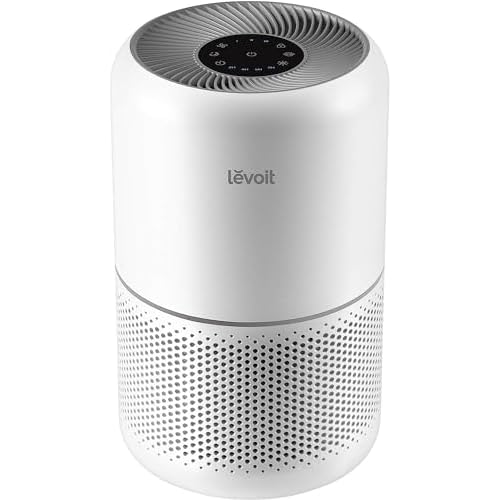
Utilizing an air purifier significantly improves the air quality after introducing fresh furnishings. I recommend selecting a unit with a HEPA filter, as it effectively captures fine particles, allergens, and volatile organic compounds (VOCs) often released from coatings.
Placement matters; position the purifier in areas with high traffic and close to the source of odors. It’s practical to use multiple units in larger spaces or open-concept designs. Regularly check and replace filters according to the manufacturer’s instructions; this ensures optimal performance and longevity.
Choose a model with a built-in air quality sensor. This feature adjusts the purifier’s speed based on current air conditions, which maximizes efficiency and minimizes noise during times of low pollution.
| Air Purifier Features | Benefits |
|---|---|
| HEPA Filter | Captures small particles and VOCs |
| Activated Carbon Filter | Reduces odors and harmful gases |
| Air Quality Sensor | Adjusts settings for optimal performance |
| Quiet Operation | Minimizes disruption in living areas |
Some purifiers also feature UV-C light technology, which can kill bacteria and viruses, further enhancing the atmosphere. Regular maintenance and strategic placement turn air purifiers into essential tools for a fresher living environment.
Utilizing Baking Soda for Odor Reduction
I recommend placing open containers filled with baking soda around the area affected by the strong scent. This simple method can significantly assist in neutralizing unpleasant odors.
How to Use Baking Soda Effectively
Follow these steps for optimal results:
- Fill several small bowls or shallow dishes with baking soda.
- Position them in corners, on shelves, or near the source of the odor.
- Allow the baking soda to sit for at least 24 hours to absorb the unwanted scent.
- Replace the baking soda every few days for continuous effectiveness.
Creating a Baking Soda Paste
For more intense areas, I suggest making a paste. Mix baking soda with a little water to form a thick consistency. Apply it to surfaces, let it dry, and then wipe it off. This can draw out any lingering scents from treated items.
Additionally, consider using scented baking soda options that may provide a pleasant alternative while combating odors.
Applying Activated Charcoal for Effective Adsorption
I recommend using activated charcoal as a highly efficient method for eliminating unwanted odors. This porous substance possesses an immense surface area that successfully traps various airborne particles and volatile organic compounds (VOCs), which are common culprits behind unpleasant scents.
Placement and Usage
To utilize activated charcoal effectively, place it in small, open containers around the space where the odors are most prevalent. Make sure to position these containers at different heights and locations to maximize exposure. Regularly replace the charcoal every few weeks for optimal performance.
DIY Charcoal Bags
Creating homemade charcoal bags is an excellent approach. Simply fill breathable cotton or linen bags with activated charcoal and hang or place them strategically throughout your area. This not only enhances aesthetic appeal but also ensures effective odor neutralization.
For an added benefit, consider combining activated charcoal with other natural substances, such as essential oils, to create a welcoming aroma while still achieving odor absorption. Be mindful to balance the fragrances, ensuring they don’t overwhelm the space.
Choosing the Right Time for Painting and Drying
Optimal conditions significantly influence both application and evaporation rates. I recommend selecting a day with mild temperatures, ideally between 65°F and 75°F (18°C to 24°C) and low humidity, around 40-50%. This range fosters efficient drying and minimizes the persistence of odors.
Morning hours are often best for beginning the task, as they allow the maximum exposure to natural light and ventilation throughout the day. Ventilation helps with quick dispersion of any lingering fumes, so opening windows during this time is beneficial. Avoid painting late in the day when night air tends to cool and moist, which can prolong drying.
If possible, plan your project in a weekend or during days when the space can be left undisturbed for several hours. Prioritize weekends or holidays, so any residual fumes do not interfere with daily life.
Additionally, be cautious about exterior weather conditions. Rain or sudden drop in temperature can adversely influence both the application process and drying time, prolonging the time before the area is comfortable to use.
Monitoring Humidity Levels for Better Odor Control
I recommend utilizing a hygrometer to keep track of humidity levels in your space. Ideal humidity should range between 30% and 50%. Elevated humidity can prolong the release of volatile organic compounds (VOCs) from coatings, leading to a stronger scent. Regular checks help to maintain an optimal environment for faster dispersion of odors.
Using Dehumidifiers Effectively
If humidity exceeds the recommended levels, activating a dehumidifier can aid in reducing moisture content. This not only accelerates the drying process of finishes but also diminishes odor intensity. Ensure the device is appropriately sized for your area to maximize its impact.
Natural Ways to Control Humidity
For those preferring a more organic approach, consider placing containers of salt or rice around the room. Both substances naturally absorb moisture, helping to keep humidity levels under control. Additionally, keeping windows open to allow airflow during drier conditions can effectively regulate humidity and thus minimize lingering odors.