Caleb Turner
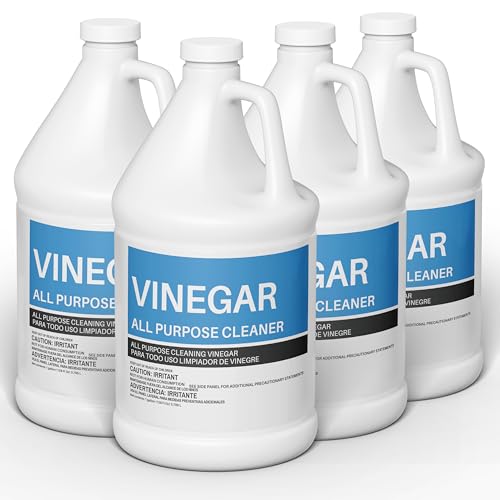
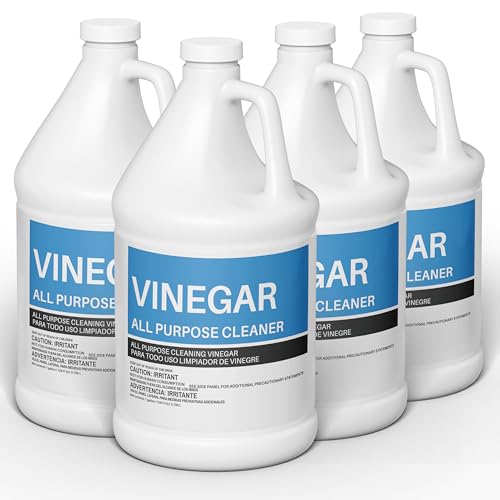
If you’re dealing with persistent odors from tobacco on your wooden decor, it’s crucial to act quickly and efficiently. One of the first methods I recommend is creating a mixture of equal parts white vinegar and water. Using a clean, soft cloth, gently wipe down the surface. This natural solution helps neutralize unpleasant fragrances without damaging the wood finish.
After the vinegar treatment, sprinkle some baking soda over the affected areas. Allow it to sit for at least 15 minutes before vacuuming or brushing it away. Baking soda absorbs lingering scents effectively and can leave your surfaces smelling fresher. Ensure any residue is removed to prevent a short-term solution from transforming into an alternative issue.
For a more thorough approach, consider using a commercial wood cleaner that specifically targets odors. Look for products containing enzymes, as they break down odor-causing particles more effectively than traditional cleaners. Always test the cleaner on a hidden spot first, ensuring it won’t compromise the wood’s finish.


Finally, maintain good ventilation in the area to speed up the process of odor removal. Opening windows and using fans can help disperse any remaining particles. Regularly dusting and cleaning can prevent odors from settling in again, keeping your wooden pieces in top condition.
Identifying the Source of the Odor
First, I inspect the entire area surrounding the item. Odors can often linger in hidden spots. I check beneath and behind the object for any residues.
Next, I focus on the following potential culprits:
- Drawers and Cavities: I open drawers and compartments, as they tend to trap odors. Cleaning these areas is crucial.
- Surface Finish: I examine the finish on the surface. Sometimes, the protective coating can hold onto unpleasant fragrances.
- Upholstered Parts: If the furniture has upholstery, I assess these sections. Fabrics can absorb taints easily.
- Nearby Items: I pay attention to adjacent items. Other pieces may have absorbed the odor and could transfer it.
After identifying potential sources, I consider any ventilation issues. Poor airflow can exacerbate the problem, making it essential to ensure the space is well-aerated.
Lastly, I use my sense of smell to pinpoint strength and location of the unwanted odor. This helps in concentrating efforts on the most affected areas.
Preparing Your Cleaning Materials
I recommend gathering specific items for the task at hand. You’ll need white vinegar, water, a spray bottle, microfiber cloths, and baking soda. Each of these substances plays a distinct role in neutralizing unwanted scents.
Necessary Supplies
For the cleaning solution, mix equal parts of white vinegar and water in a spray bottle. This combination effectively breaks down odor particles. Essential tools include a good-quality microfiber cloth, which won’t scratch surfaces and will trap odors as you wipe.
Additional Items
Baking soda serves as an excellent absorbent. Sprinkle a thin layer on the affected area and let it sit for 15-30 minutes before vacuuming. Having a vacuum cleaner on hand for this purpose is beneficial. Also, ensure that you have a bowl ready for any extra cleaning solutions to reduce mess. Wearing gloves can also protect your hands during the process.
Cleaning with Baking Soda
I recommend using baking soda as a powerful tool for neutralizing odors. Sprinkle a generous amount of this white powder on the affected area and let it sit for several hours or overnight. This allows it to absorb unwanted aromas effectively.
Application Methods
For surfaces, create a paste by mixing baking soda with a small amount of water. Apply this paste directly to the furniture using a soft cloth. Gently rub the mixture in, ensuring it covers all areas where the scent is strong. After letting it sit for about 15 minutes, wipe it clean with a damp cloth.
Deodorizing Surroundings
To tackle lingering scents in drawers or cabinets, place an open container filled with baking soda inside and leave it for several days. This method helps reduce odors over time without damaging the surfaces.
Regularly vacuuming or brushing off the baking soda after treatment can enhance results, ensuring your furniture remains fresh and inviting.
Using Vinegar as a Natural Deodorizer
I often rely on vinegar for its remarkable ability to neutralize unpleasant odors. To utilize this natural remedy, mix equal parts of water and white vinegar in a spray bottle. Lightly mist the surface of the item; avoid soaking it. Allow the vinegar to sit for about 15 minutes, then wipe down with a clean, damp cloth. This helps lift any remaining residues contributing to the unwanted scent.
If the odor persists, consider placing a bowl of vinegar in the vicinity of the affected piece. The vinegar will absorb the smells over time, acting like a sponge for the unpleasant aromas. Leave it for several hours or even overnight for best results.
I recommend testing any vinegar solution on an inconspicuous area first to ensure it does not cause damage to the finish. Regularly repeating this process can help maintain freshness and keep any lingering fragrances at bay.
Implementing Activated Charcoal for Absorption
Activated charcoal effectively neutralizes persistent odors lingering in various surfaces. Place small bowls filled with this absorbent material around the space to facilitate the purification process. It’s ideal to leave them in position for a minimum of 24 to 48 hours for optimal results, enabling them to absorb the unwanted essence efficiently.
Choosing the Right Charcoal
Select high-quality, food-grade activated charcoal available in bags or loose form. Avoid using charcoal intended for grilling, as it may contain additives that could further complicate the issue. Look for brands that specifically highlight purifying properties.
Placement Strategies
Utilize multiple containers positioned strategically to maximize absorption potential. Areas like shelves, drawers, and surfaces pay dividends when treated with activated charcoal. Adjust placements based on the concentration of the odor, ensuring the absorption process is targeted effectively.
| Container Type | Recommended Size | Duration for Effectiveness |
|---|---|---|
| Small Bowl | 4-6 inches | 48 hours |
| Mesh Bag | 6-10 inches | 72 hours |
| Brushed Jar | 8-12 inches | 1 week |
After the initial absorption phase, replace the activated charcoal every couple of weeks to maintain its potency. Additionally, to regenerate the charcoal’s effectiveness, leave the bags in sunlight for a few hours intermittently.
Applying Essential Oils for Freshness
After deep cleaning, I often enhance the ambiance with essential oils. These natural extracts not only mask lingering odors but also refresh the atmosphere. Here’s how I do it:
- Choose oils like lavender, lemon, or eucalyptus. These are known for their pleasant scents and deodorizing properties.
- Mix a few drops of your selected oil with water in a spray bottle. A ratio of about 10-15 drops per cup of water works well.
- Lightly spray the mixture onto the surface of the item, but avoid saturating the wood. A gentle mist is sufficient.
- Allow the area to air dry. This process helps the oil to penetrate and neutralize unwanted scents.
For a longer-lasting effect, consider adding essential oils to your cleaning routine. Incorporate a few drops into your cleaning cloth while dusting or wiping surfaces. This technique not only cleans but also infuses a refreshing aroma as I go.
Another approach involves placing cotton balls soaked in essential oils inside drawers or cabinets. This simple trick keeps the spaces smelling fresh for extended periods.
Regular application ensures that any residual odors are continuously countered, making the environment more inviting.
Sealing the Furniture to Prevent Future Odors
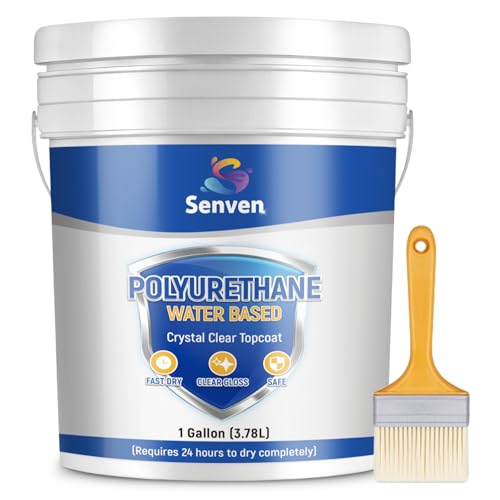
Applying a protective sealant is essential for safeguarding against lingering fragrances. Choose a high-quality polyurethane or varnish designed specifically for wooden surfaces. This creates a barrier that keeps undesirable scents from penetrating the material. Ensure that the surface is clean and dry before application for best results.
Selecting the Right Sealant
Opt for a water-based sealant for minimal odor during the application process and quick drying time. Apply multiple thin coats rather than one thick layer to promote durability. Follow the manufacturer’s instructions on drying times between coats.
Ongoing Maintenance
Regularly dust and clean the surface with a mixture of water and mild soap. Avoid harsh chemicals that might degrade the sealant. Consider periodic reapplication every few years to maintain the integrity of the protective layer.
Maintaining a Smoke-Free Environment
I recommend establishing a designated area for smoking outdoors, minimizing the risk of lingering odors indoors. Using air purifiers equipped with HEPA filters also significantly enhances air quality by trapping harmful particles and eliminating unwanted scents.
Regularly changing HVAC filters is vital for preventing the buildup of undesirable odors within the home. I suggest inspecting and replacing these filters every three months to maintain optimal performance.
Incorporating indoor plants is another practical strategy; certain species, such as peace lilies and spider plants, can naturally filter and purify the air, contributing to a fresher atmosphere. With consistent care, these plants not only beautify the space but also help mitigate odors.
Keeping windows open when weather permits promotes ventilation, allowing stale air to escape and fresh air to circulate. During cleaning sessions, I ensure to ventilate the area thoroughly for enhanced effectiveness.
Routine deep cleaning is essential. I dedicate time every month to dust, vacuum, and wipe down surfaces using suitable cleaning agents. This diligence prevents odors from settling into any material and keeps the environment pleasant.
Lastly, setting up a strict no-smoking policy indoors makes a significant difference in maintaining freshness. Communicating this to family members or guests ensures everyone is on the same page, fostering a healthier living space. Effective planning and proactive measures result in a more inviting home.
FAQ:
What household items can I use to eliminate cigarette smoke smell from wood furniture?
You can use several common household items to help remove the smell of cigarette smoke from wood furniture. Baking soda is particularly effective; sprinkle it on the surface and let it sit for several hours or overnight before vacuuming it up. Vinegar is another option; mix it with water and use a cloth to wipe down the surfaces. You can also try activated charcoal or coffee grounds, which absorb odors well. Make sure to test any method on a small, inconspicuous area first to avoid damaging the finish.
How long does it usually take to get rid of cigarette smoke odor from wood furniture?
The duration for eliminating cigarette smoke odor from wood furniture can vary significantly based on the severity of the smell and the methods used. In general, light odors may dissipate within a few hours after using baking soda or vinegar treatments, while more persistent smells might take several days of repeated cleaning and airing out. For extreme cases, it may require professional cleaning or refinishing, which could extend the timeframe further. Regular maintenance and cleaning can help keep odors at bay in the long run.
Is it safe to use commercial odor eliminators on wood furniture?
Yes, many commercial odor eliminators are safe for use on wood furniture, but it is important to choose products specifically designed for wood surfaces. Always read the labels for instructions and safety information. To avoid damage, test the product on a small, inconspicuous area first. Some commercial products may contain strong chemicals, so ensure proper ventilation in the area while using them.
Can I use essential oils to mask or remove cigarette smoke smell?
Yes, essential oils can be utilized to mask cigarette smoke smell, although they may not eliminate the odor completely. Oils like lavender, lemon, or tea tree can be mixed with water and sprayed lightly on the furniture. However, it’s better to address the source of the smell first with cleaning methods. Also, ensure that the wood finish can withstand moisture from sprays, as too much liquid can cause damage.
What are some preventative measures to keep my wood furniture from smelling like smoke?
To prevent cigarette smoke from penetrating your wood furniture, consider implementing a few strategies. First, avoid smoking indoors or near your furniture. Regularly clean your furniture using appropriate wood cleaners or natural solutions to remove any resin or tar that may accumulate over time. Additionally, placing air purifiers in the room can help reduce tobacco odor in the air. Lastly, if possible, use furniture covers to protect your pieces when not in use, thereby minimizing exposure to smoke and its residue.
What are some effective methods to remove cigarette smoke smell from wood furniture?
There are several methods to eliminate cigarette smoke odor from wood furniture. One popular approach involves using a mixture of white vinegar and water. Mix equal parts of each in a spray bottle and lightly mist the affected areas, wiping them down with a soft cloth. This method works well because vinegar neutralizes odors. Another option is to use baking soda. Sprinkle it generously over the furniture and let it sit for a few hours or overnight. Then, vacuum it up to remove the baking soda and any odors it has absorbed. Additionally, you may consider using commercial odor eliminators specifically designed for wood surfaces. Always test any solution on a small, hidden area first to avoid damage.
How long does it typically take to get rid of the smoke smell in wood furniture?
The time it takes to remove cigarette smoke smell from wood furniture can vary depending on the severity of the odor and the method used. If using natural methods such as vinegar or baking soda, it may take a few hours to several days to completely eliminate the smell. For example, after applying baking soda, you might need to leave it for at least 8 hours for optimal results. If you decide to use commercial products, the instructions on the label will provide specific timing details. In some cases, especially if the odor is deeply embedded, repeated treatments may be needed over a week or more to fully restore the furniture.