
 Caleb Turner
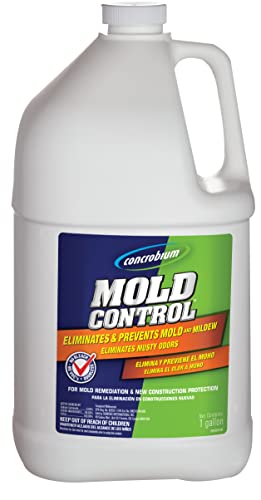
Begin by wearing protective gloves and a mask to ensure safety from spores. Prepare a solution using equal parts of white vinegar and water in a spray bottle. Apply this mixture generously onto the affected areas, allowing it to sit for at least 15 minutes. The acidity of vinegar effectively targets the growth.
After soaking, use a soft cloth or sponge to gently scrub the area. For stubborn spots, consider adding baking soda to the mixture for its abrasive properties. Rinse the area with clean water and dry it thoroughly with a lint-free cloth to prevent moisture retention, which could lead to further issues.
To maintain the integrity of the surface, treat the wood periodically with a natural oil or wax that provides a barrier against future infestations. Additionally, ensure proper ventilation in the space to inhibit excessive dampness. Regularly inspect your items for any signs of recurrence to address any issues promptly.
Cleaning Strategy for Mold on Wooden Surfaces
Begin by preparing a solution that combines equal parts of white vinegar and water in a spray bottle. This mixture is effective for breaking down organic growth and neutralizing odors. Lightly mist the affected area without saturating the wood. Use a soft cloth or sponge to gently scrub the surface, allowing the solution to penetrate and lift the infestation.

Post-Cleaning Treatment
After treatment, dry thoroughly using a clean towel to prevent moisture retention. Applying a thin coat of furniture polish can help protect the surface and revive its natural sheen. Ensure the area is well-ventilated to enhance the drying process and to deter future growth. Monitoring humidity levels in the environment will assist in reducing the likelihood of reoccurrence.

Prevention Tips
Place silica gel packets or moisture absorbers in the vicinity to minimize humidity. Regularly dusting and maintaining the surface can also help in monitoring any signs of trouble. Store the item in a dry room, away from direct sunlight and heat sources, to ensure longevity.
Identify Signs of Mold on Wooden Furniture
Look for discoloration on the surface; patches that differ from the original hue often signify fungal growth. These spots may appear as black, green, or white flecks, indicating the presence of a problem.
Texture Changes
Pay attention to the texture; if it feels fuzzy or slimy, that’s a clear indicator of contamination. A sticky or unusual feel can suggest moisture retention, often a precursor to an infestation.
Odor Detection
Notice any musty or earthy smells. A strong, unpleasant scent usually accompanies fungal infestations and indicates the need for immediate action. Ensure adequate ventilation in the area and regularly check for these odors.
Look for signs of moisture accumulation, such as warped or swollen areas. These physical changes can indicate an environment conducive to fungal growth. Regular monitoring helps catch such issues early.
Gather Necessary Cleaning Supplies for Mold Removal
I recommend assembling specific items before tackling mold issues. Here’s a list of supplies to ensure a thorough approach:
- Protective gear: Use gloves, eye protection, and a mask to safeguard against allergens.
- Cleansing solutions: Select either white vinegar, hydrogen peroxide, or a commercially available mold cleaner.
- Soft bristle brush: This will help scrub surfaces without causing damage.
- Microfiber cloths: Ideal for wiping down surfaces effectively.
- Bucket or spray bottle: A container for mixing and applying cleaning solutions.
- Warm water: Necessary for diluting solutions if needed.
- Vacuum with HEPA filter: To remove any loose spores from the environment.
Ensure these items are at hand to facilitate a more efficient mold remediation process.
Prepare the Wooden Surface for Cleaning
I ensure no items are on the surface before cleaning. This allows for easy access and prevents additional clutter during the process.
-
Assess the condition of the surface. Look for any loose or damaged areas. If found, I address these issues before continuing.
-
Ventilation is key. I open windows or turn on fans to help circulate air, reducing moisture and enhancing the drying process.
-
Wearing protective gear, such as gloves and a mask, is non-negotiable. I prioritize my safety with any cleaning substances used.
-
Using a soft brush or vacuum with a brush attachment, I remove dust and debris. This step helps prevent scratching the surface while I work.
Once the surface is prepared, I move forward confidently with the cleaning process, knowing the area is ready for effective treatment.
Apply Suitable Cleaning Solutions for Mold Removal
For tackling fungus, I mix a solution of one part vinegar and one part water. This creates an effective yet mild method for removal. I apply the mixture using a spray bottle to avoid oversaturation.
If I encounter stubborn growth, a combination of baking soda and water serves as a gentle abrasive. I create a paste and scrub gently using a soft cloth. This not only helps lift the residue but also neutralizes any unpleasant odors.
For deeper cleansing, I consider a commercial mold remover specifically designed for surfaces like these. I always follow the manufacturer’s instructions regarding application and safety precautions.
Another option I’ve had success with is hydrogen peroxide, applying it directly to affected areas. I leave it for about 10 minutes, then wipe it away with a damp cloth. I ensure the area dries thoroughly afterward to prevent future issues.
After treatment, I always check the surroundings and ensure proper ventilation to inhibit further growth. I find maintaining a low humidity level in the environment is key, so I use a dehumidifier when necessary.
| Cleaning Solution | Proportion | Usage Method |
|---|---|---|
| Vinegar and Water | 1:1 | Spray and wipe |
| Baking Soda Paste | As needed | Apply with a soft cloth |
| Commercial Mold Remover | Follow label instructions | Apply directly as directed |
| Hydrogen Peroxide | Undiluted | Apply and wait, then wipe |
Dry and Protect the Furniture Post-Cleaning
After removing the unwanted growth, I ensure the surface is fully dried to prevent any recurrence. I use absorbent cloths to wipe down, getting into crevices where moisture might linger. Open windows or use fans to enhance airflow, reducing humidity. If it’s possible, I let the piece sit in a well-ventilated area for several hours.
To shield the treated surfaces, I apply a quality protective finish suitable for the type of material. This could include natural oils or specific sealants that not only enhance visual appeal but also create a barrier against moisture. I pay attention to the manufacturer’s instructions for application and curing times.
Regular inspections follow, where I look for any signs of moisture accumulation. Keeping the relative humidity low in the surrounding environment significantly contributes to maintaining the integrity of the item. Consider using a dehumidifier if necessary, especially in damp areas. By taking these proactive steps, I help ensure longevity and aesthetics of the natural material.
Implement Preventive Measures Against Mold Growth
Maintain optimal humidity levels between 30% and 50% in your living space. Use dehumidifiers in damp areas to lower moisture content, particularly in basements or bathrooms. Regularly check for leaks in pipes or roofs to prevent water accumulation.
Ensure proper ventilation by opening windows and using exhaust fans, particularly in moisture-prone rooms. Consider installing air purifiers equipped with HEPA filters to reduce airborne spores and promote dryness.
Consider applying protective coatings to surfaces. These sealants can deter moisture infiltration and provide a barrier against potential fungal development. Regularly inspect these coatings for wear and reapply as necessary.
Opt for anti-fungal products formulated for surfaces, which can reduce the risk of growth on unsealed wood. Store items like blankets and cushions in breathable containers to prevent trapping moisture.
If you live in a humid climate, consider positioning your items away from direct contact with walls to promote airflow. Arranging your items loosely also helps prevent moisture retention. Regularly rotate your collection to ensure even exposure to air.


