
 Caleb Turner

Using a vacuum cleaner with an upholstery attachment helps to remove dust and debris from the surface quickly. Pay attention to seams and between cushions, where dirt tends to accumulate. For stubborn spots, a mixture of warm water and mild dish soap can work wonders. Dampen a cloth with this solution, gently blot the area, and avoid soaking the fabric.
For deeper stains, a mixture of vinegar and water can effectively break down grime. Apply it cautiously with a soft cloth and blot rather than rub. Always test any cleaner on an inconspicuous area first to prevent color damage.
Maintaining the original look requires periodic brushing with a soft-bristle brush. This not only lifts the nap but also refreshes the texture. Finally, periodic professional cleaning ensures longevity and keeps your pieces looking their best.
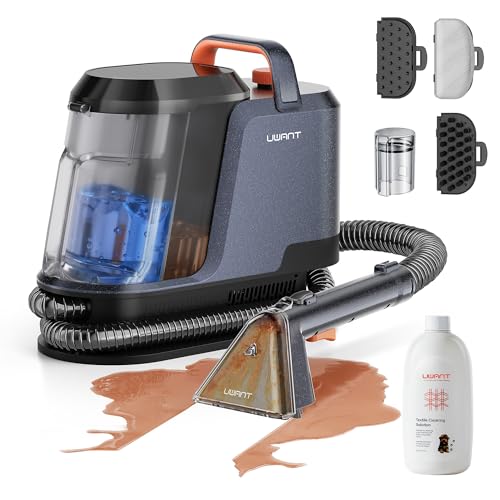


Cleaning Tips for Upholstered Seating with Buttons
I recommend using a handheld vacuum with a brush attachment to remove surface dust and debris. This method ensures that dirt embedded in the seams or between buttons is effectively tackled without damaging the fabric.
For stains, I mix a small amount of mild detergent with water, applying it to a clean cloth. I dab the affected area gently, avoiding saturation. It’s crucial to test a hidden spot first to check for colorfastness.
If a more thorough refresh is needed, I steam the fabric lightly. Holding a steam cleaner a few inches away prevents moisture from soaking in while still loosening trapped grime. After steaming, I use a soft brush to raise the nap of the material.
Regular maintenance involves periodic vacuuming and spot treating stains immediately. I find this approach helps preserve the integrity and appearance of my pieces over time, allowing them to remain inviting and stylish.
Understanding the Composition of Tufted Fabric
Familiarity with the materials used in upholstered pieces is fundamental for proper maintenance and care. Common fibers include cotton, polyester, linen, and wool, each offering unique characteristics.
Cotton provides a soft texture and breathability but is prone to staining without treatment. Polyester is durable and resistant to wrinkles, making it suitable for high-traffic pieces.
Linen boasts a luxurious appearance but requires more attention due to its susceptibility to wrinkles. Wool is warm and resilient, ideal for colder climates, yet it may attract moths.
Many items combine natural and synthetic fibers, resulting in fabrics that benefit from the advantages of both. These blends can enhance durability while retaining softness, influencing my选择 of cleaning methods.
Understanding the fiber composition helps predict how stains and dirt will react; for example, water-based solutions work well with synthetic materials but may damage natural fibers. It’s crucial to read labels for care instructions specific to the blend used.
| Fiber | Characteristics | Care Tips |
|---|---|---|
| Cotton | Soft, breathable, prone to stains | Use gentle detergents; treat stains quickly |
| Polyester | Durable, wrinkle-resistant | Wash with mild detergent; avoid high heat |
| Linen | Luxurious, wrinkles easily | Iron on low heat; dry clean recommended |
| Wool | Warm, resilient, attracts pests | Avoid excessive washing; use protective sprays |
| Blends | Combination of advantages | Check specific care instructions based on proportions |
By recognizing the fabric’s makeup, I’m equipped to make informed choices regarding maintenance that preserves both appearance and longevity.
Gathering the Right Cleaning Supplies
First, I gather a vacuum cleaner with an upholstery attachment to remove loose dirt and debris effectively. A soft brush attachment can help access those nooks and crannies without damaging the fabric.
I ensure to have a microfiber cloth on hand for spot cleaning and absorbing moisture. These cloths are great because they don’t leave lint and are gentle on delicate materials.
Next, I choose a mild detergent designed for upholstery, or I might use a gentle soap like dish soap mixed with water. It’s crucial to avoid harsh chemicals that could harm the fibers.
I also keep a spray bottle filled with plain water, as it’s useful for diluting the cleaning solution or rinsing areas after treating them. Additionally, having a bowl to mix solutions can make the process smoother.
Finally, I prepare a few white towels for drying and blotting. Using white prevents any color transfer, which can be a concern with patterned fabrics.
Preparing Your Upholstered Seating for Cleaning
Before initiating the cleansing process, it’s crucial to take several preparatory steps to ensure optimal results. Follow these instructions to ready your piece:
1. Examine the Fabric
Inspect the textile for any specific cleaning instructions, often found on a care tag. Common codes include:
- W: Water-based solutions are acceptable.
- S: Solvent-based products only.
- W/S: Both water and solvent methods can be used.
- X: Vacuuming is recommended; avoid wet techniques.
2. Remove Loose Debris
Using a vacuum with an upholstery attachment, gently remove dirt, dust, and any other particles. Focus on seams and crevices where debris tends to accumulate.
3. Check for Stains
Identify any noticeable spots. Treat them individually based on their nature, as different stain types require specific attention. Use a clean, white cloth to blot stains; this will prevent color transfer.
4. Assess the Structure
Ensure that the framework is stable. Tighten any loose screws or bolts; this will allow for better access and prevent further damage during the cleaning process.
5. Gather Protective Materials
Cover nearby areas that might be affected by spills. Utilize drop cloths or plastic sheets to protect floors and surrounding items from accidental splashes or drips.
With these steps completed, your upholstered item will be ready for a thorough cleansing procedure, promoting its longevity and aesthetic appeal.
Spot Cleaning Stains on Tufted Surfaces
For immediate stain treatment, address the issue as soon as it occurs. Blot the stain gently with a clean, dry cloth or paper towel to absorb excess liquid. Avoid rubbing, which can spread the stain.
Step-by-Step Spot Treatment
- Identify the type of stain:
- Food or beverage spills.
- Ink marks.
- Pet stains.
- Select a suitable cleaning solution:
- For water-based stains, a mixture of mild dish soap and water works well.
- For oil-based stains, consider using a little rubbing alcohol on a cloth.
- For ink, a specialized ink remover may be necessary.
- Test the solution on a hidden area first to ensure no discoloration occurs.
- Apply the solution using a clean cloth, blotting gently from the edges inward.
- Rinse by lightly dabbing with a cloth moistened in plain water.
- Blot the area with a dry cloth and let it air dry completely.
Additional Tips
- For persistent stains, repeat the blotting process or consider hiring a specialist.
- Avoid aggressive cleaners or excessive moisture to prevent damage.
- Regularly vacuum to keep the fabric fresh and prevent dirt build-up.
Deep Cleaning Methods for Tufted Upholstery
I recommend vacuuming upholstered pieces thoroughly to remove dust and debris. Use an upholstery attachment for detailed work. Pay attention to the nooks and crannies where particles can accumulate.
A steam cleaner works wonders on stubborn grime. Ensure the fabric is heat-resistant before applying steam. Hold the nozzle a few inches away to avoid moisture saturation. This method not only sanitizes but can also rejuvenate fabric fibers.
<pFor deeper stains, I opt for a mixture of water and a mild detergent. Testing the solution on an inconspicuous area is wise to ensure no discoloration occurs. Using a soft-bristled brush, I gently agitate the stained area, then blot with a clean cloth to lift the residue.
Baking soda serves as an excellent deodorizer. I sprinkle it generously over the surface and let it sit for several hours, then vacuum it up. This method neutralizes odors without harsh chemicals.
If pet hair is an issue, a damp rubber glove can efficiently gather it from the textured surface. Simply rub your hand over the area, and the hair will cling to the glove for easy removal.
For a finishing touch, using a fabric protector may help in repelling dirt and stains in the future. Follow the manufacturer’s instructions for application and drying times to ensure optimal effectiveness.
Drying and Maintaining Tufted Upholstery
I recommend using a fan or dehumidifier to expedite the drying process after any cleaning methods. Placing the piece in a well-ventilated area will also help moisture evaporate quickly. Avoid direct sunlight or heat sources, as these can warp fabrics and damage threads.
<p-Regular vacuuming is key to preserving the integrity of the fabric. I use an upholstery attachment to capture dust and debris without pulling on the threads. It’s important to establish a routine every few weeks, especially in high-traffic areas.
Routine spot checks for stains ensure that minor issues don’t escalate. I keep a soft brush on hand to gently restore the nap of the material. If I notice any loose buttons or threads, I address these quickly to prevent further deterioration.
A fabric protector can be applied periodically after cleaning. This creates a barrier against spills and stains. I test any protector on a hidden area first to confirm compatibility with the upholstery.
Preventing Future Stains and Damage
To maintain the pristine condition of upholstered pieces, I apply a protective coating after cleaning. This creates a barrier against spills and dirt, making it easier to wipe away any stains before they set in.
I avoid placing them in direct sunlight, as ultraviolet rays can fade colors and weaken fibers. Instead, I position them in shaded areas or use window treatments to diffuse sunlight.
Regular vacuuming is a key part of my maintenance routine. I use a brush attachment to gently remove dust and debris from crevices, which helps prevent dirt buildup and prolongs the life of the fabric.
To shield against wear and tear, I use coasters and placemats on surfaces to protect from food and drink spills. This simple habit significantly reduces the risk of damaging the upholstery.
Whenever I notice a potential issue, such as loose threads or small tears, I address them immediately. Repairing these minor problems early prevents further damage and maintains the overall appearance.
Finally, I ensure that pets are trained to stay off these surfaces. Using designated areas for their comfort helps keep my pieces free from scratches and excessive shedding.
FAQ:
What are the best methods for cleaning tufted furniture?
To clean tufted furniture effectively, you can use a combination of vacuuming, spot cleaning, and steam cleaning. Start by vacuuming the fabric with an upholstery attachment to remove dust and debris. For spot cleaning, use a mild soap solution and a soft cloth to gently treat stains. It’s important to test any cleaning solution on a hidden area first to avoid discoloration. If your tufted furniture allows for it, steam cleaning can offer a deeper clean by penetrating the fibers and removing embedded dirt.
Can I use commercial cleaners on my tufted sofa?
Yes, you can use commercial upholstery cleaners on tufted sofas, but it’s crucial to verify that the product is safe for your specific type of fabric. Always check the manufacturer’s care label before applying any cleaner. If the label recommends certain cleaning solutions, follow those guidelines. If a commercial cleaner is not specifically recommended, opt for a pH-balanced or cleaner designed for upholstery to avoid damaging the fabric.
How do I remove stubborn stains from tufted furniture?
For stubborn stains, first identify the type of stain (e.g., food, ink, grease) and treat it accordingly. Blot the stain with a clean cloth to absorb excess liquid, but avoid rubbing. Use a suitable stain remover or make a solution of water and mild detergent. Apply it to the stain with a soft cloth, using gentle dabbing motions. For tough stains, you may need to repeat this process several times. In some cases, professional cleaning might be the best option.
Is it safe to steam clean tufted upholstery?
Steam cleaning can be safe for tufted upholstery, provided that the materials used are suitable for steam cleaning. Before proceeding, check the care label for any specific cleaning instructions or restrictions. Use a steam cleaner with a low moisture setting to prevent water damage, and ensure not to saturate the fabric. Test the steam in an inconspicuous area first to ensure the fabric can handle the process without becoming damaged.
How often should I clean my tufted furniture?
Regular cleaning of tufted furniture is recommended to maintain its appearance and extend its lifespan. Vacuuming at least once a month can help remove dust and dirt. Spot cleaning should be done as needed to address stains immediately. A thorough cleaning, involving methods like steam cleaning or professional upholstery cleaning, might be necessary every year or two, depending on usage and exposure to allergens or pets.
What are some safe cleaning methods for tufted furniture?
To clean tufted furniture safely, start with thorough vacuuming using an upholstery attachment to remove dust and debris from the fabric and crevices. If the fabric is water-safe, mix a small amount of mild detergent with water and apply it with a soft cloth. Gently blot the stained areas without soaking the fabric. For non-water-safe fabrics, consider using a dry cleaning solvent specifically designed for upholstery. Always test any cleaning solution on a hidden area first to ensure it doesn’t damage the material.
How do I remove specific stains from tufted furniture?
Removing stains from tufted furniture can be challenging, but it’s manageable with the right approach. For grease stains, sprinkle baking soda or cornstarch on the area and let it sit for 15-20 minutes before vacuuming it up. For ink stains, dab the area with rubbing alcohol on a clean cloth, gently blotting until the ink transfers to the cloth. If you are dealing with food stains, a mixture of white vinegar and water can work well; apply it sparingly with a cloth and blot the stain. Always avoid scrubbing, as it can damage the fabric or push the stain deeper. After treating the stain, ensure the area dries thoroughly to prevent mold or mildew development.


