Caleb Turner

For those stubborn stains that require quick action, I recommend gently sprinkling a generous amount of granulated sodium on the affected area. This method is surprisingly efficient in absorbing moisture and neutralizing odors. Allow the crystals to sit for at least 10 to 15 minutes, giving them ample time to work their magic.
After the waiting period, I typically take a damp cloth and blot the area, ensuring that I lift as much residue as possible. It’s important not to rub, as this can push the stain deeper into the material. Following this step, a thorough clean with water helps eliminate any remaining particles.
For added effectiveness, mixing the sodium with a small amount of water to create a paste can provide a more focused application. I apply this paste directly onto the stained region, letting it dry completely before vacuuming. This two-step approach not only addresses stains but also helps in preventing any unpleasant smells from lingering.

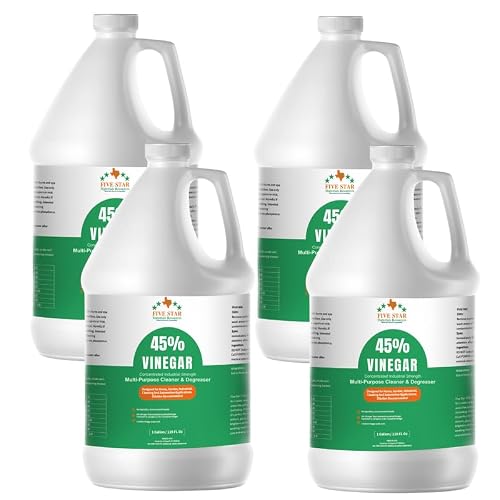

Method for Removing Urine Stains Using Salt
Immediately cover the affected area with a generous amount of table salt. The granules will absorb moisture while neutralizing odors. Allow the salt to sit for several hours or overnight to maximize its effectiveness.
Afterward, gently brush off the salt with a soft cloth or vacuum cleaner. If any stains linger, mix equal parts of water and vinegar, applying this solution to the spot. Blot the area with a clean cloth until the stain lifts completely.
For persistent odors, a sprinkle of baking soda can be added once the area has dried. Let it rest for a few hours before vacuuming it up, ensuring any remaining scent is eliminated.
Regular maintenance and quick action on spills will help keep surfaces fresh and odor-free, creating a more pleasant environment.
Understanding the Importance of Quick Action
I recommend addressing stains immediately to minimize damage. The longer a liquid sits, the deeper it penetrates materials, making removal increasingly difficult. It’s pivotal to act swiftly to prevent lasting odors and discoloration. Absorb excess moisture using cloths before proceeding with any treatment.
Salt serves as an effective agent for moisture absorption and neutralization of unpleasant scents. Applying it soon after the incident ensures better results, as it can draw out liquid before it sets into the fibers. After letting salt sit for a sufficient duration, vacuuming the area thoroughly will help remove both the salt and any remnants of the stain.
Additionally, early intervention can prevent potential health hazards. Certain substances can foster mildew or mold growth if not handled promptly. Taking quick steps not only protects your possessions but also maintains a healthy living environment.
Implementing these strategies posthaste can save time and effort later, allowing for a straightforward recovery of your items. Always keep handy tools and materials for immediate response to any unfortunate accidents.
Gathering Necessary Supplies for the Cleaning Process
I recommend gathering the following items before starting the task: coarse salt, white vinegar, and a few clean cloths or paper towels. Additionally, a small bowl for mixing solutions will be handy.
Coarse salt is preferred due to its absorbent properties, making it effective for this situation. White vinegar acts as a natural deodorizer and increases the overall cleaning power of the salt. Ensure the cloths are absorbent for better results, while paper towels are suitable for quick cleanup.
Having these supplies ready allows for a smoother process, enabling me to focus on addressing the concern swiftly and efficiently. Don’t forget to wear gloves if desired, as this adds a layer of protection and comfort throughout the endeavor.
Finally, ensure that I have access to plenty of fresh water for rinsing and any additional cleaning steps, if necessary. With these preparations in place, I can tackle the challenge effectively.
Choosing the Right Type of Salt for Stain Removal
For effective stain extraction, I recommend opting for coarse salt varieties, such as sea salt or kosher salt. Their structure allows for greater absorption, enhancing the removal process.
In contrast, fine table salt dissolves quickly and may not provide the same level of scrubbing power. Consider these types based on your specific need:
| Type of Salt | Benefits | Ideal Use |
|---|---|---|
| Sea Salt | Natural, coarse grains; good absorption | For fresh stains requiring vigorous scrubbing |
| Kosher Salt | Large flakes; abrasive properties | For stubborn marks, needs more friction |
| Table Salt | Fine, dissolves quickly | For mild stains or as a mixing agent |
Using the right salt can significantly enhance your results. Always test a small hidden area first to ensure compatibility with the material you’ll treat.
Preparing the Affected Area Before Cleaning
Remove any items from the vicinity of the stain to create a clear workspace. This includes decorative pieces, cushions, or any nearby accessories. Placing these objects aside helps to avoid further contamination during the treatment process.
Next, assess the material of the surface. Different materials react variably to treatments; for instance, wood, fabric, and upholstery have distinct cleaning requirements. If safe, perform a patch test on an inconspicuous area to preview how the material interacts with the chosen approach.
If dealing with a soft surface, such as fabric, gently blot the area using a clean, dry cloth to absorb as much liquid as possible. Avoid scrubbing, which can damage fibers. In the case of a hard surface, use a damp cloth to wipe away any residues, as this prepares the area for effective treatment.
Following this, ensure the space is well-ventilated. Open windows or use fans to promote air circulation. This step not only helps in drying but also reduces odors that might linger after addressing the issue.
Finally, gather any extra materials that may assist during the process, such as additional towels, cleaning cloths, or a vacuum for post-treatment care. Organizing these supplies will streamline the upcoming steps.
Applying Salt to the Urine Stain Effectively
Sprinkle a generous amount of coarse salt directly onto the stained surface, ensuring the area is well-covered. The salt will absorb moisture and neutralize odors. Allow the salt to sit for at least 15-30 minutes, as this duration helps in drawing out wetness. Depending on the severity of the mark, some stains may require a longer absorption time.
Removing Excess Salt
Once the waiting period is over, gently scrape off the salt using a soft brush or cloth. Take care to avoid damaging the material beneath. For any remaining particles, lightly vacuum the area to ensure a complete removal. This step is crucial for preparing the next phase of treatment.
Rinsing the Affected Area
After removing the salt, lightly dampen a cloth with water and gently blot the area to remove any remaining residue. Avoid soaking the fabric; a little moisture goes a long way. Blot until the area is just damp, then let it air dry completely. This final touch helps in ensuring that no leftover salt is left behind, which could lead to new stains or damage.
Allowing Proper Time for the Salt to Work
After applying the mineral to the stained surface, it’s crucial to allow sufficient time for its absorption. I typically let it sit for at least 15 to 30 minutes, depending on the severity of the discoloration. This duration allows the granules to draw out moisture and neutralize odors.
Observe the process closely, as some stains may require prolonged exposure. Here are steps I follow to ensure optimal results:
- Monitor the salt as it begins to absorb the liquid; you’ll notice it changing color or clumping.
- After the initial waiting period, assess the area. If it still appears damp or discolored, consider leaving the mineral for an additional 15 minutes.
- In cases of stubborn stains, I repeat the application process until the desired outcome is achieved.
Once the time is up, I gently brush away the accumulated mineral with a soft cloth or vacuum to prevent any residue buildup. This step not only clears the area but also prepares it for further treatment if needed.
Proper timing is essential; rushing can lead to subpar results. Allow nature to take its course during this phase for the most effective outcome.
Removing Salt Residue After Treatment
After applying the mineral to eliminate stains, it’s important to ensure no traces remain. Begin by vacuuming the area thoroughly to lift up any leftover particles. Use a vacuum with a brush attachment for better results.
Moisten a Cloth
Dampen a soft cloth with warm water. Wring it out to avoid excess moisture. Gently wipe the surface to dissolve remaining crystalline debris. Avoid saturating the material to prevent damage.
Rinsing Techniques
For stubborn residues, mix equal parts of water and white vinegar in a spray bottle. Lightly mist the affected area and immediately wipe with a clean cloth. This method helps to neutralize any unpleasant odors and residues.
After the rinsing process, allow the surface to dry naturally. If there are any lingering scents, placing an open container of baking soda nearby can help absorb odors effectively. This approach ensures the area is clean and fresh after treatment.
Testing for Odor Removal and Stain Persistence
To ensure the success of the removal process, I conduct a thorough evaluation after treatment. This assessment mainly involves checking for lingering odors and visible marks. It’s essential to approach this step with a structured method to guarantee accuracy.
Visual Inspection
I first inspect the treated spot for any remaining discoloration. If a visible stain persists, additional treatment may be necessary. I recommend a light solution of water and vinegar for further attempts.
Odor Assessment
Next, I take a deep breath near the area to detect any residual scent. If the odor is still present, applying more granular material and allowing it to absorb moisture is advisable. After letting it sit for a few hours, I recheck the area.
- If no odor is detected, it likely indicates successful elimination.
- If odor remains, additional applications may be required.
Marking the treated area for future reference can also help gauge improvement over time. Keeping track of treatments allows for adjustments and refinements in the approach.
Preventing Future Incidents on Your Furniture
Establishing preventive measures can significantly reduce the likelihood of damage to your belongings. Consider the following strategies:
- Designate specific areas for pets to relieve themselves, ensuring they are trained to use those locations consistently.
- Invest in protective covers for your upholstery, which can be easily removed and washed, safeguarding against unexpected accidents.
- Provide regular access to the outdoors for pets. A consistent routine helps avoid emergencies inside the house.
- Utilize pet repellents or safe deterrents to discourage them from climbing on particular areas or furniture.
- Monitor and attend to any signs of distress in your pets. Changes in behavior may indicate a health issue that needs attention.
Constant vigilance can enhance your ability to prevent future mishaps. Adjust your cleaning and training regimen as necessary to maintain a comfortable environment for both pets and people.