
 Caleb Turner
Begin the transformation by removing dust and grime from the surfaces you wish to revitalize. A simple mixture of warm water and mild detergent can effectively lift dirt. Use a soft cloth or sponge to gently wipe down all areas, ensuring every nook and cranny is addressed.
Next, inspect for any signs of grease, sticky residue, or previous finishes that could impede adhesion. For stubborn spots, a gentle scrub with baking soda paste or a dedicated cleanser may be necessary. Rinse thoroughly with clean water afterward to avoid any soapy residue left behind.
After ensuring the surface is clean, take the time to lightly sand any rough patches or glossy areas. A fine-grit sandpaper will help promote better adherence of the new coating. Wipe down again to remove any fine dust created during this process.
Finally, allow the surface to dry completely before proceeding with the application of your desired finish. This preparation ensures optimal results, creating a canvas primed for a stunning new look.
Assessing the Condition of the Furniture
I begin by closely inspecting the surface for any imperfections. Look for scratches, dents, or water stains that might affect the finish. These details can influence the outcome of the transformation.

Key Areas to Examine
- Surface Texture: Touch the surface to feel for rough patches or old coatings that may interfere with adhesion.
- Structural Integrity: Check whether joints are tight and the overall sturdiness is intact. Any wobbling or loose parts should be addressed.
- Previous Finishes: Identify if there are any remnants of old varnish or lacquer that may require extra preparation.
Categories of Damage
- Minor Scratches: These can often be sanded lightly or filled with wood filler before starting the project.
- Major Dents: For deeper imperfections, consider using wood putty to fill gaps and smooth out the surface.
- Water Damage: Investigate the extent of water stains; it may require a more detailed restoration approach.
Once I assess these factors, I can determine the appropriate steps needed to prepare for a fresh coat, ensuring a smooth application and long-lasting result.
Removing Dust and Debris
I use a microfiber cloth to capture and eliminate dust particles from surfaces thoroughly. This fabric traps dirt effectively, ensuring a smooth base for subsequent layers. I wipe all areas, focusing on crevices where particles accumulate.
For stubborn residues, I slightly dampen the cloth with water or a mild cleaner. Always avoid soaking it, as excess moisture can damage wood or upholstery. Lightly scrub those areas to lift off ingrained grime.
A vacuum cleaner with a brush attachment can help remove larger debris and reach tight spots. I ensure to run the vacuum along edges and under furniture to clear out hidden dust. This method prevents any unwanted texture that could interfere with the finish.
After dusting, I allow the surface to dry completely before proceeding to any updates. Ensuring dryness prevents trapping moisture under new applications, which could lead to peeling or other issues down the line.
Using the right cleaning solution
For optimal preparation, I choose a solution that effectively tackles grease and grime. A mixture of warm water and mild dish soap works well for most surfaces, making it straightforward to apply. I use a sponge or cloth to gently scrub areas that require special attention, taking care not to saturate the material.
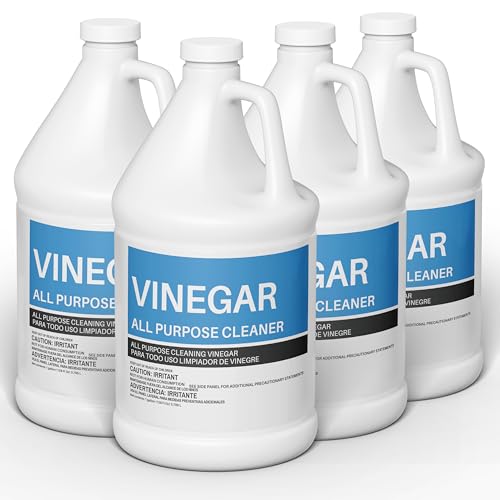
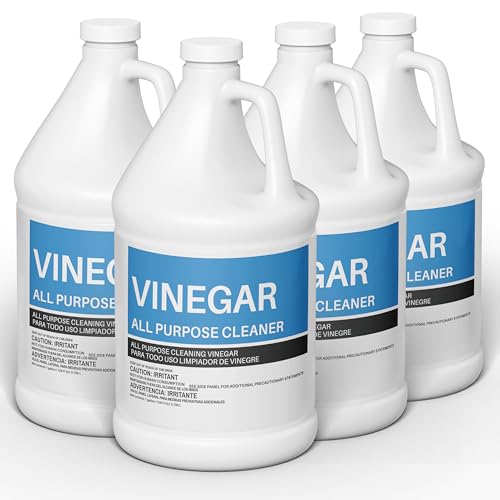
If a more significant buildup is present, a vinegar-water solution (one part vinegar to two parts water) offers a natural alternative. It removes stubborn spots and leaves surfaces ready for the next step. To ensure there’s no lingering residue, I rinse the area with clean water and dry it thoroughly.
For removing sticky substances, a dedicated adhesive remover can be handy. I apply it sparingly and follow the manufacturer’s guidelines to avoid damage to the surface underneath. Always test any cleaner on an inconspicuous area first to confirm compatibility.
| Type of Solution | Best Use |
|---|---|
| Warm Soapy Water | Everyday cleaning |
| Vinegar Solution | Stubborn stains and grime |
| Adhesive Remover | Sticky residues |
After cleaning, I ensure everything is dry and inspect the surface for any missed areas or lingering dirt. This guarantees that the base is prepared for any refinishing methods I intend to employ. Proper solutions not only prime the surface but also enhance the adhesion of the new finish.
Addressing Stains and Sticky Residues
For stubborn marks, first apply a mixture of warm water and mild dish soap. Soak a cloth in the solution and gently blot the stain, avoiding aggressive scrubbing that could damage the surface. For grease or oil residues, using a bit of baking soda can be effective. Create a paste with water, apply it to the spot, and let it sit for about 15 minutes before wiping it off with a damp cloth.
Dealing with Sticky Substances
When confronting adhesive residues, rubbing alcohol or white vinegar can be incredibly helpful. Moisten a cloth with your chosen solvent and press it onto the sticky area for a few moments to loosen the residue. Wipe gently until the stickiness is removed. Rinse the area with clean water to eliminate any solvent left behind.
Stain Removal Techniques
For ink or dye stains, immediately applying rubbing alcohol directly on the affected area can minimize damage. Blot the stain rather than rubbing it, using a clean cloth or cotton ball. Be sure to test any solution in a hidden spot first to ensure it won’t discolor the surface.
It’s crucial to allow the surface to dry completely afterward to avoid trapping moisture, which can lead to further issues down the line. Once the area is thoroughly dried, it’s ready for the next step in the preparation process.
Dealing with Old Paint or Finishes
Begin by assessing the surface to determine if the previous layers are intact or peeling. If flaking occurs, use a putty knife or scraper to gently remove the loose areas, taking care not to damage the underlying material.
For stubborn finishes, sandpaper can effectively smooth out rough patches and help the new application adhere properly. Opt for a medium-grit paper, moving to finer grit as needed for a smooth surface.
In cases of multiple paint layers, consider applying a chemical stripper. Follow the manufacturer’s instructions meticulously, ensuring proper ventilation and protective gear is utilized. Apply the product evenly, leaving it for the recommended duration before scraping off residue.
After removal, wash the area thoroughly with water to eliminate any remaining stripper or paint particles. Allow it to dry completely before proceeding with any new applications.
For painted surfaces that require a fresh look without full removal, a primer can provide a suitable base. Select a bonding primer that works well with the existing finish to create a solid foundation.
Maintain an organized workspace by disposing of debris responsibly and keeping tools handy. This preparation will streamline future steps, yielding a more professional outcome.
Ensuring Proper Drying Time
I allow ample time for the surface to dry completely after any cleaning method. Typically, I wait 24 hours to ensure that no moisture lingers, which could interfere with adhesion once I apply a new finish. Humidity levels play a significant role in this stage; higher humidity could necessitate an extended drying period. I check with a fan or dehumidifier in more humid climates to assist in the drying process.
After the final cleaning, I perform a touch test on a small area. If it feels cool or damp to the touch, I know I need to allow more time. If it’s completely dry, I proceed confidently to the next step. Calibration of patience at this point is key; rushing could lead to uneven application or peeling later on.
If I have multiple pieces to work on, I focus on one item at a time while allowing others to dry in between tasks. This staggered approach not only maximizes efficiency but ensures that each piece is ready for its new look without compromise.
Preparing the Surface for Chalk Paint Application
To achieve the best adherence and finish, ensuring a smooth substrate is paramount. Begin by examining the item’s surface for imperfections, rough spots, or previous treatments that might interfere with the application. I often use sandpaper or a sanding block to gently abrade the area, creating a texture that promotes better bonding of the new layer.
Surface Repair
If there are visible scratches, dents, or chipped areas, I fill these with wood filler. After it dries, I lightly sand the filled spots to make them flush with the surrounding surface. This attention to detail prevents any inconsistencies from showing through the new coating.
Final Preparation
Once repaired, I wipe the surface down with a damp cloth to remove any dust particles generated from sanding. Allow it to dry completely; moisture can hinder the application and result in an uneven finish. Following this, I recommend inspecting the surrounding environment to avoid contamination during the application process.


