
 Caleb Turner

Regularly applying a high-quality wood sealer every six months protects against moisture and UV damage. I prefer using a penetrating oil finish, which nourishes the grain while providing a water-resistant barrier. This simple step extends the life of my outdoor pieces significantly.
Cleaning with a mixture of mild soap and water helps to remove dirt and grime. I use a soft brush for hard-to-reach areas. Rinsing thoroughly ensures no residue remains, as this can cause stains or discoloration over time.
Checking for signs of wear or damage is essential. I inspect joints and surfaces for cracks or splintering, addressing smaller issues before they escalate. Applying wood patching compound can be a quick fix for minor surface imperfections.
Storing items in a dry place during harsh weather prevents significant wear. If storing indoors isn’t an option, I invest in quality covers that fit snugly. This protects against rain, snow, and heavy sunlight.
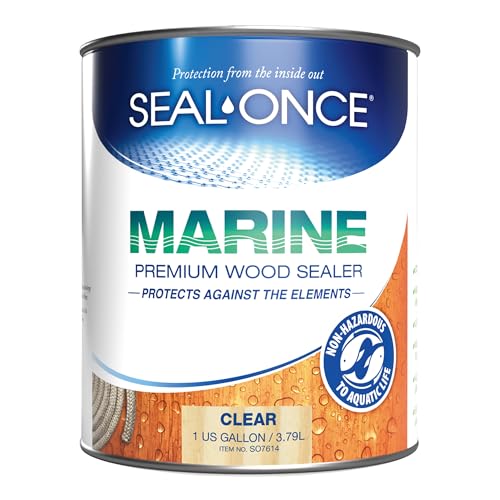
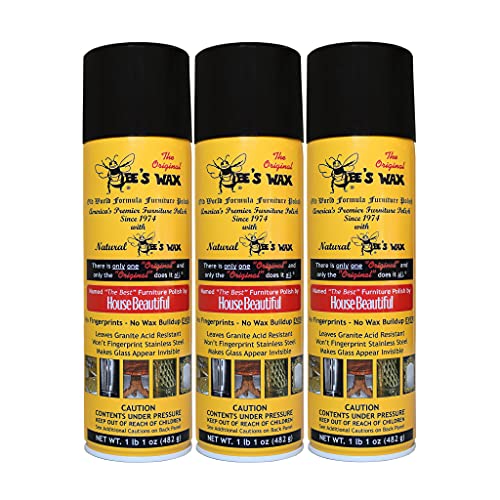
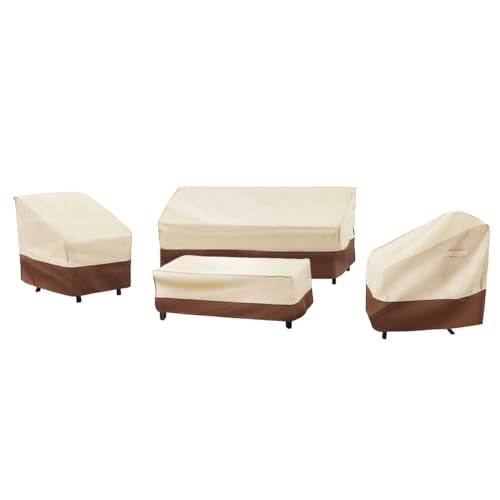

Choosing the Right Wood Finish for Protection
I recommend selecting a finish that suits the climate and exposure level to sun and moisture your items will experience.
Types of Finishes
- Oil-based Finishes: These penetrate deeply, enhancing the natural grain and offering excellent moisture resistance. Look for products containing tung or linseed oil.
- Water-based Finishes: Quick-drying and less odorous, these are easy to apply. They provide a clear finish but may not offer the same level of moisture resistance as oil-based options.
- Varnishes: These create a hard protective layer, ideal for high-traffic surfaces. Clear and colored options are available; choose based on your aesthetic preference.
- Sealants: Useful for adding an extra layer of protection against moisture and UV rays, ensuring the longevity of the natural material.
Application Tips
- Ensure the surface is clean and dry before application to allow the best adhesion.
- Apply multiple thin coats rather than one thick layer for optimal results.
- Reapply the finish annually or as needed, especially if the surface shows signs of wear.
Selecting the appropriate finish enhances longevity while maintaining appearance, safeguarding your investment effectively.
Cleaning Techniques for Wooden Furniture
Regularly inspect surfaces for dirt and debris. A soft-bristle brush or a damp microfiber cloth works wonders for removing loose particles. Ensure to wipe in the direction of the grain to prevent scratches.
For deeper cleaning, prepare a solution of lukewarm water and mild dish soap. Dampen a cloth with the mixture and gently scrub the affected areas. Rinse with a clean, damp cloth to eliminate any soap residue, then dry thoroughly.
Occasional stains can be treated using a mixture of equal parts vinegar and olive oil. Apply it with a soft cloth, rubbing in the direction of the grain. This not only cleans but also imparts a bit of shine.
For mold or mildew, create a solution of one part bleach to ten parts water. Apply it carefully with a sponge, ensuring not to soak the wood. After applying, rinse with clean water and dry the surface completely to avoid damage.
If you encounter stubborn grime, consider using a commercial wood cleaner designed specifically for your type of timber. Always follow the instructions on the label.
Seal the surface after cleaning, especially if exposed to elements. For ongoing maintenance, dust regularly and use a protective cover during harsh weather to prolong lifespan.
Identifying Signs of Damage and Wear
I regularly inspect items for specific indications of deterioration. Look for cracks and splits in the grain. These imperfections may signal structural weakness. Swollen areas can point to moisture absorption, while dark patches often indicate mold or mildew. If surfaces are rough to the touch, this could mean the finish is wearing away. Pay attention to fading colors, which suggest the protective layers have diminished under sunlight exposure.
Examine joints carefully; looseness or separation can compromise stability. Additionally, an unpleasant odor might imply trapped moisture or decay within the material. When assessing chairs or tables, test the strength by applying weight to verify durability. Any signs of instability warrant immediate attention to prevent worsening damage.
Using a bright light can help spot surface irregularities. It’s important to address these issues early to maintain longevity and functionality. Consistent monitoring allows for timely intervention, ensuring the lasting appeal and usability of these pieces.
Applying Seasonal Maintenance Routines
Every season invites specific actions to sustain integrity and aesthetics. In spring, I inspect furniture for any weather-related wear from winter. Applying a protective finish at this time enhances durability against moisture and UV damage as temperatures rise.
Summer’s heat accelerates wear; thus, I ensure cleanliness by washing with mild soap and water, followed by a thorough rinse. A coat of specialized UV protectant every few months helps retain color and texture under the sun’s intensity.
With autumn approaching, I focus on preparing for cooler temperatures. I remove debris and clean surfaces meticulously to prevent mold and mildew during damp weather. A fresh layer of protective sealant ensures readiness for harsh elements.
Once winter arrives, furniture often requires more attention. If stored, I wrap pieces in breathable fabric to avoid moisture accumulation. If left outside, I regularly check for ice or snow accumulation, which can lead to splits or warps. Using furniture covers can also provide an extra layer of protection during frigid months.
By following these seasonal routines, I maintain both looks and functionality year-round, ensuring longevity and enjoyment from each piece.
Storing Furniture During Harsh Weather Conditions
During severe weather, I ensure that all pieces are securely stored to prevent damage. I invest in high-quality covers designed specifically for outdoor uses, which offer protection against rain, snow, and UV rays when I cannot bring them indoors. If space allows, I prefer moving items into a garage, shed, or basement. Well-ventilated areas reduce humidity levels and protect against mold and mildew.
Preparation Before Storage
Before stashing away, I thoroughly clean the surfaces with a gentle solution to remove dirt and debris, allowing them to dry completely. Insects and small critters may seek shelter, so I inspect joints and crevices, sealing any openings. If I’ve applied any finish, I allow sufficient time for it to cure prior to storing the pieces.
Optimal Storage Techniques
I stack lightweight constructs in a manner that avoids pressure on joints. Placing cloth or cardboard between surfaces prevents scratches. For larger items, I elevate them off the ground using pallets, which discourages moisture accumulation. Additionally, I avoid placing items directly against walls to promote airflow.
Regularly checking on stored pieces during extreme weather allows me to address any unforeseen issues swiftly. Taking these precautions ensures longevity and durability for all my outdoor treasures.
Restoring Weathered Wood Surfaces
Begin with thorough inspection. Check for any cracks, splintering, or discoloration. Addressing these issues prior to restoration enhances the outcome.
To rejuvenate aged surfaces, my preferred method involves pressure washing. Use a wide nozzle and maintain a safe distance to avoid damaging the fibers. Alternatively, a soft brush and a mixture of mild soap and water work well for delicate tasks.
Next, after cleaning, allow the material to dry completely, ideally for 24-48 hours, depending on the weather conditions. This ensures effective treatment absorption.
When it comes to restoration products, consider specialized wood brighteners. These can lift stains and enhance the natural color. Follow the manufacturer’s instructions for application to achieve optimal results.
After brightening, sanding is crucial. Utilize medium-grit sandpaper, followed by fine grit to smooth out imperfections. This helps in creating a uniform surface for finishing.
For sealing the surface, I recommend using a high-quality penetrating oil or sealant. Apply a thin, even coat, allowing it to soak in fully. A second coat may be beneficial for better protection, especially in areas with heavy exposure to the elements.
Regular inspections and touch-ups will prolong the life of restored surfaces. Look for any new signs of wear and address them immediately to maintain the appearance and functionality of the items.
Preventing Insect Infestations in Outdoor Furniture
To deter insect invasions, regular inspections are key. I check crevices, joints, and underside areas for signs of wood-boring beetles or termites. If I find any signs, I take immediate action to prevent escalation.
Applying borate treatments to the wood serves as a preventative measure against destructive pests. This non-toxic solution penetrates the surface, protecting against organisms that might compromise structural integrity.
Keeping the area around the pieces clean is also crucial. I eliminate debris, leaves, and standing water, which can attract unwanted insects. Regularly sweeping or wiping down surfaces helps maintain an inhospitable environment for pests.
Using natural repellents is another method I prefer. Essential oils like cedar, mint, or citrus can effectively disrupt insect behavior. I create a homemade spray by mixing essential oil with water and apply it once a month to surfaces.
Lastly, I consider protective covers. Using fitted tarps or breathable covers during long periods of disuse shields against insects and weather-related wear. Making these simple adjustments keeps my outdoor items safe and extends their lifespan.
Tips for Enhancing Longevity of Wooden Pieces
Regularly applying a protective finish greatly extends the lifespan of your structures. Choose a high-quality outdoor sealant that offers UV protection and water resistance. Reapply every year to prevent moisture from seeping into the grain.
Use coasters and placemats to minimize wear from hot or cold items. This simple step prevents stains and surface damage from occurring.
Routine Inspection
Conduct periodic checks for structural integrity. Tighten any loose screws or joints immediately to prevent further damage over time. Early intervention on minor issues can prevent major repairs later.
Table of Recommended Maintenance Supplies
| Product Type | Description |
|---|---|
| Wood Sealant | UV-resistant and waterproof finish suitable for outdoor use. |
| Cleaning Solution | Gentle soap designed specifically for wood, free from harsh chemicals. |
| Protective Covers | Weatherproof fabric designed to fit snugly over pieces. |
Position structures away from direct contact with ground moisture. Elevate using furniture legs or pads to prevent rot and allow for better air circulation.
Employing these practices will help in retaining the beauty and functionality of your pieces for years.
FAQ:
What type of wood is best for outdoor furniture?
When choosing outdoor furniture, hardwoods like teak, eucalyptus, and mahogany are excellent options. These woods are naturally resistant to moisture and insects, making them durable in various weather conditions. Teak, in particular, is known for its oil content, which helps it withstand rain and humidity. Softwoods, such as pine and cedar, can also be used for outdoor furniture, but they usually require more maintenance and treatment to resist decay and wear.
How often should I clean my outdoor wooden furniture?
It is recommended to clean outdoor wooden furniture at least once every season. Regular cleaning helps prevent the buildup of dirt, mildew, and debris. Use a mild soap and water solution with a soft cloth or sponge to gently scrub the surfaces. For heavily soiled areas, a soft-bristle brush may be used. After cleaning, make sure to rinse thoroughly and allow the furniture to dry completely before applying any protective treatment.
What protective treatments should I apply to outdoor wooden furniture?
Applying a protective sealant or wood oil helps maintain the appearance and longevity of outdoor wooden furniture. A clear sealant provides a waterproof barrier without affecting the wood’s natural color, while oils like tung or teak oil enrich the wood and enhance its natural grain. It’s best to reapply these treatments at least once a year, or more frequently depending on exposure to harsh weather and sunlight. Always follow the manufacturer’s instructions for the best results.
Can I leave my outdoor wooden furniture outside all year round?
Leaving outdoor wooden furniture outside year-round is not advisable unless it is specifically designed for such conditions. Extreme temperatures, moisture, and UV rays can cause premature wear and damage. If possible, store the furniture in a garage or covered area during the winter months. If you must leave it outside, consider using protective covers to shield it from the elements and minimize the risk of damage.
What should I do if my outdoor wooden furniture starts to show signs of wear or damage?
If you notice signs of wear, such as faded color, splintering, or cracking, it’s important to address these issues promptly. Start by cleaning the furniture thoroughly. For scratches and minor damage, sanding the affected areas lightly can help smooth the surface. If the wood has significantly weathered, consider refinishing it with a wood stain or sealant to restore its original beauty. In some cases, professional restoration may be necessary for severe damage.
What are the best ways to protect outdoor wooden furniture from weather damage?
Protecting outdoor wooden furniture involves several key practices. First, it is important to apply a high-quality water-repellent sealant or waterproofing stain that provides a barrier against moisture. Regularly checking for signs of wear or damage and reapplying the sealant as needed can extend the life of the furniture. Additionally, consider storing the furniture indoors during harsh weather conditions, or using protective covers when it is not in use. Placing the furniture on a raised surface or using coasters can prevent moisture from seeping in from the ground, which further safeguards the wood.
How often should I clean and maintain my outdoor wooden furniture?
Cleaning and maintaining outdoor wooden furniture typically requires attention at least twice a year. Start by gently washing the furniture with soap and water to remove dirt and debris. After cleaning, allow it to dry completely. Inspect the wood for signs of fading, cracking, or other damage and treat it accordingly. For deeper maintenance, such as re-staining or refinishing, consider doing this every few years, depending on the weather exposure. Regular maintenance not only keeps furniture looking great but also adds to its lifespan by preventing deterioration.


