
 Caleb Turner

Position the bed against the longest wall to create a sense of balance and accessibility. This placement ensures ample walking space around the bed, enhancing the overall flow within the area.
Place nightstands on either side of the mattress for convenient access. They can hold essential items like a lamp or a book, adding functionality without cluttering the space. Ensure the height of these stands aligns with your sleeping surface for ease of use.
Incorporating a dresser or a chest of drawers across from the bed can improve organization while acting as a focal point. This arrangement supports easy access to clothing and personal items, optimizing your daily routines.
Consider adding a bench or a chair at the foot of the bed. This not only provides a cozy spot for relaxation but also adds visual interest. It creates a balanced perspective that maximizes the potential of the area.

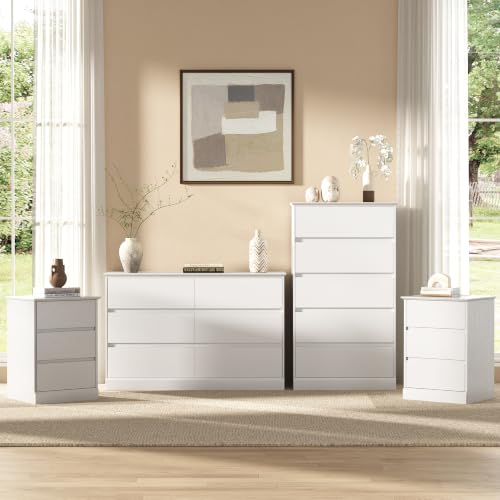
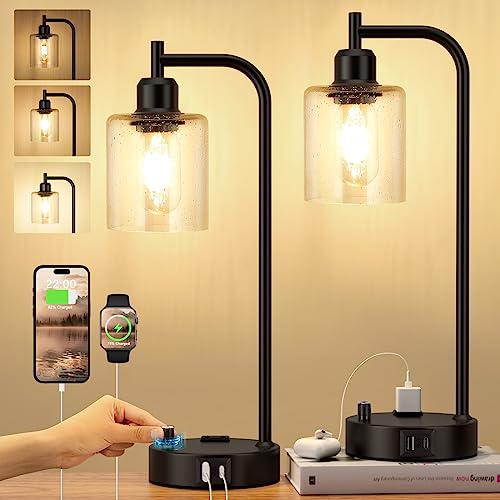
Leave pathways clear by spacing larger pieces adequately. Ensuring at least 24 inches of walkway facilitates movement and makes the space feel larger. With these arrangements, you can transform a simple layout into a harmonious and functional atmosphere.
Furniture Placement in a Long Space
Position the bed against the longest wall to create a natural focal point. This allows for easier movement and access to other items. Consider these specific placements:
- Align nightstands on either side of the bed at equal distances to enhance symmetry.
- Opt for a low-profile dresser across from the bed, making it convenient for daily use.
- If space permits, add a seating area at the end of the bed, like a bench or a couple of chairs, to promote relaxation.
Utilize corner space effectively by placing bedside lamps or bookshelves to avoid clutter. This draws attention to the vertical dimension and enhances the perception of space.
Rugs can define areas within the layout. Select a larger rug that fits beneath the bed, extending beyond its edges to unify the design.
Mirrors are strategic additions that reflect light and create a sense of openness. Place a large mirror opposite a window to maximize natural light.
Lastly, ensure walking paths are clear. A minimum of 2 feet around the bed and between pieces of furniture allows for comfortable movement.
Assessing Room Dimensions and Layout
I always begin with precise measurements of the space. Determine the length and width accurately, taking into account any architectural features such as windows, doors, and built-in elements. Creating a scaled floor plan on graph paper or using design software can be incredibly helpful. This visual representation allows for experimentation with different configurations.
Understanding Flow and Functionality
Next, I analyze the pathways for movement within the space. Ensuring there are clear routes between key areas is essential. I usually aim for at least 24 inches of walking space between pieces, especially at entry points. This not only enhances accessibility but also contributes to an uncluttered atmosphere.
Prioritizing Key Pieces
I identify the main elements I want to feature, such as a bed and storage units. Positioning these foundational items first creates a basis for other elements. I consider factors like optimal natural light and alignment with electrical outlets during this phase to maximize functionality.
Choosing a Focal Point for Your Space
Selecting a focal point is crucial for creating an inviting and stylish atmosphere. The bed often serves as the primary focal point, so position it against the main wall, preferably opposite the entrance. This arrangement draws immediate attention upon entering.
Consider incorporating a striking headboard or a piece of artwork above the bed to enhance this focal area. A statement lamp or stylish nightstands on either side can further accentuate the space, adding symmetry and balance.
Alternative Focal Points
If the bed isn’t the ideal center of attention, explore other options. A cozy seating area with a unique coffee table can create an attractive focal point. Position this seating across from the entry to invite conversation. Adding decorative pillows or a vibrant throw can bring warmth and style to the arrangement.
Using Color and Texture
Utilize color and texture to underscore your chosen focal point. A bold paint color or wallpaper behind the bed or seating area can significantly draw the eye. Combining different textures–such as plush fabrics and smooth surfaces–adds depth, keeping the space visually interesting.
Optimal Bed Placement Strategies
I recommend positioning the bed against the longest wall when faced with a rectangular layout. This approach maximizes floor space and eases movement. Alternatively, placing the headboard in the center of the wall can create a harmonious focal point, allowing for balanced nightstands on either side.
For small spaces, consider a corner placement. This setup not only frees up central areas but adds a cozy nook feel. If windows are available, positioning the bed to enjoy daylight can enhance the ambiance and offer a refreshing start each day.
Maintaining a distance of at least 24 inches from walkways and other elements ensures accessibility and comfort. In cases where experimenting is possible, adjust the bed’s orientation–try a diagonal layout to introduce visual interest, especially in rooms with ample space.
Lastly, consider the impact of lighting. Keeping the bed adjacent to natural light sources is advantageous. Additionally, installing bedside lamps at the optimal height promotes reading accessibility without straining. Balancing these strategies fosters a serene environment tailored to personal preferences.
Arranging Nightstands for Accessibility
Position nightstands close to the edges of the bed for easy access from both sides. Ensure that each stand is at an equal distance from the bed to maintain symmetry and promote balance in the layout.
Spacing Considerations
Leave at least 2 to 3 inches between the mattress and the nightstands. This gap prevents any obstruction when getting in or out of bed, while still keeping essential items within reach.
Nightstand Features
- Choose stands with drawers for concealed storage. This helps keep surfaces tidy and accessible.
- Consider stands with open shelving for easy access to books or a decorative piece.
- Incorporate sufficient surface area for lamps, clocks, and personal items to enhance convenience.
Evaluate height. Ideally, the top of the nightstand should align with the mattress height for ergonomic access. This alignment allows for easy reach to items without straining.
Lighting is key. Select a lamp that fits your nightstand adequately and provides sufficient light without taking up too much space. This illumination aids accessibility, especially at night.
Maintain a cohesive style. Ensure that the design, color, and material of the nightstands complement other elements in the space, reinforcing the overall aesthetic while providing function.
Incorporating Additional Furniture Elements
Consider integrating a reading nook to enhance relaxation. Placing a comfortable armchair with a side table in a corner allows for a dedicated space to unwind. Ensure the chair is positioned near a window to utilize natural light.
Incorporate a dresser or chest of drawers along a wall, maintaining a cohesive style. Select a piece that complements the color scheme and creates visual harmony. Position it close to the closet for efficient space use while allowing easy access to clothing.
Add a bench or ottoman at the foot of the bed to increase both functionality and aesthetics. This element provides seating and serves as a handy spot for extra bedding or personal items. Position it wisely to avoid obstructing pathways.
Include floating shelves above nightstands or desks to maximize vertical space. These offer practical storage for books or decorative items without consuming precious floor area. Ensure they are within reach for easy access.
Utilize a bedside lamp that not only provides illumination but also adds character. Consider a design that ties in with other accent pieces in the area. The lamp’s placement should allow for convenient use while reading or relaxing in bed.
If space allows, an accent chair can enhance style. Choose one that complements the existing palette, positioning it adjacent to the bed or in a corner to avoid crowding the space. This creates an inviting atmosphere for conversations or quiet reflection.
Maximizing Space with Multi-Functional Pieces
Incorporating versatile elements can dramatically enhance the usability of your area. Consider a bed with storage drawers underneath; this eliminates the need for a separate dresser, creating more open space. If you choose a headboard with shelves, it provides additional storage for books or decor without occupying extra floor area.
Dual-Purpose Items
Investing in a bench or ottoman that doubles as seating and storage offers extra functionality. Placing it at the foot of the bed serves as a stylish accent while providing a place to stow away blankets or other items. Look for fold-out desks that can be tucked away when not in use, allowing for a workspace without disrupting the overall flow.
Creative Solutions for Small Space
Wall-mounted shelves can replace bulky cabinets, making use of vertical space while keeping essential items within reach. Mirrors also play a crucial role; placing one opposite a window can amplify natural light, making the entire area feel more expansive. Choose a combination of different heights and designs to add interest without cluttering the environment.
Utilizing Vertical Space for Storage
Incorporating tall shelving units maximizes storage without occupying much floor area. I recommend placing a unit against a wall, ideally near a window for natural light, enhancing both utility and aesthetics.
Wall-mounted cabinets or shelves make excellent use of height, creating a space for books and decor while keeping the floor clear. I find floating shelves especially beneficial for displaying smaller items, giving a sense of openness.
Consider using hooks or pegboards on walls. These allow for hanging accessories, bags, or even decorative elements, maintaining an organized feel. It’s practical to install them beside the door or near the vanity area for convenience.
Reaching high storage might be challenging; utilize step stools that can be easily tucked away. I prefer sleek designs that blend seamlessly with the surroundings. Keep seldom-used items on higher shelves, reserving lower areas for everyday essentials.
Finally, layering elements such as ladders or tall bookcases can add depth and interest to the space. These pieces serve both functional storage roles and visual focal points. By combining practicality and style, vertical storage can transform the ambiance and organization of the area.
Creating Pathways for Easy Movement
I prioritize establishing clear pathways for movement throughout the living space. Ideally, a minimum of 24 inches should be maintained between each piece. This allows for unobstructed access and quick navigation.
Ensuring visibility across the area contributes to an open feel. Place larger pieces away from sight lines, facilitating easy flow from the entrance to the various zones. For instance, positioning the bed towards a wall opposite the entry point enhances accessibility and offers a welcoming aspect.
While positioning elements, I consider the placement of doors and windows. Avoid blocking these entrances to maintain airflow and light. Ideally, pathways should lead towards these openings to create a sense of openness.
| Pathway Width (inches) | Recommended Space Allocation |
|---|---|
| 24 | Space for unobstructed movement |
| 30 | Comfortable flow when passing one another |
| 36 | Ideal for wheelchair accessibility |
Incorporating furniture with rounded edges can minimize the risk of accidents in tight spots. It’s wise to test the flow by walking through the area, ensuring that movement feels natural and unconfined.
Prioritize ease of access to commonly used spaces, such as dressers or other storage elements. I maintain open areas around these choices, allowing for smooth functionality during daily routines.
Personalizing the Arrangement with Decor
I suggest incorporating personal items like artwork, photographs, or decorative objects to make the space feel inviting. Choose a cohesive color palette that resonates with your aesthetic to unify the decor.
A vibrant statement piece, such as a unique piece of art or a large mirror, can serve as an attractive focal point, drawing attention while also enhancing depth.
Layered textiles, like throw pillows and blankets, add warmth and comfort. Opt for various textures to create visual interest, combining soft fabrics with more structured materials.
Task lighting is vital for both functionality and ambiance. Utilize bedside lamps or wall sconces to create a soothing atmosphere, while ensuring they fit seamlessly within your chosen style.
Incorporating plants introduces natural elements, freshening the air and adding beauty. Select low-maintenance varieties if you prefer minimal upkeep. Position them at varying heights to create a dynamic display.
Consider functional decorative accents, such as storage baskets or stylish trays, to keep surfaces organized while contributing to the overall aesthetic. This combination offers both practicality and style.
Lastly, personalize the space by displaying treasured books or cherished memories on open shelving. This way, every visit reminds me of what I love most, creating a sense of home.


