Caleb Turner

To protect your patio sets from harsh winter conditions, I recommend disassembling any larger pieces if possible. This approach minimizes the risk of damage and makes transportation to storage areas much simpler.
Wrap metal tables and chairs in tarps or blankets to prevent moisture accumulation. Ensure that wood items are treated with a sealant designed for outdoor use before the cold season hits. This protective layer helps stave off cracking and warping caused by temperature fluctuations.
For items that can’t be stored indoors, consider using specialized storage bags. These bags are designed to resist snow, rain, and UV rays, offering an extra layer of security against the elements. Additionally, maintaining a clean area free from debris and snow will also contribute to the longevity of your outdoor decor.


Proper Techniques for Winter Care of Patio Items
Begin with a thorough cleaning of each piece. Utilizing a mild detergent and warm water ensures the removal of dirt and debris, which can lead to deterioration over time.
Next, dry every item completely to prevent mold and mildew growth. I typically use microfiber cloths for this purpose as they absorb moisture effectively.
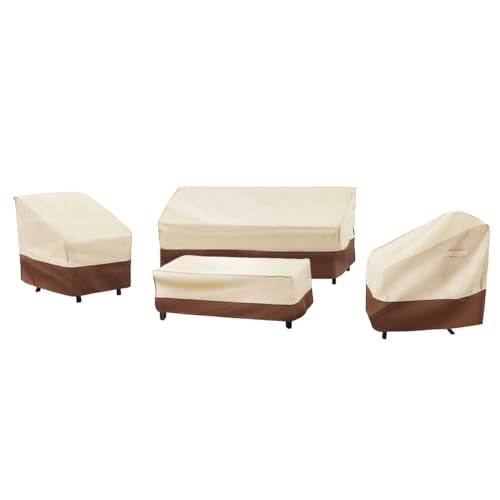
Investing in high-quality protective covers can significantly prolong the lifespan of your equipment. Make sure these covers are breathable to avoid moisture buildup, which can cause rust or rot.
For pieces made of wood, applying a wood preservative helps maintain quality and appearance. I recommend checking for any signs of damage or wear, such as splintering or loose joints, and addressing them promptly to prevent further issues.
Metal components should be treated with a rust-inhibiting spray to combat corrosion. I usually inspect these elements for any vulnerabilities such as scratches or chips where rust may form.
Once all items are prepared, arrange them in a sheltered space. Avoid stacking items on top of each other to prevent scratching and deformation. Instead, I prefer to create a designated storage area where they can remain upright and well-organized.
| Material | Cleaning Method | Protective Measures |
|---|---|---|
| Wood | Mild detergent, warm water | Wood preservative, avoid moisture |
| Metal | Non-abrasive cleaner | Rust-inhibiting spray |
| Plastic | Soap and water | Breathable covers |
Choosing the Right Storage Location for Outdoor Furniture
Identify a dry, temperature-stable area for safeguarding your items. A garage or storage shed works well, ensuring minimal exposure to moisture or extreme temperatures. Avoid basements, as they tend to retain humidity.
Ventilation Matters
Prioritize a space with good airflow. Proper ventilation prevents mold and mildew growth. If utilizing a confined area, consider a dehumidifier to manage moisture levels effectively.
Accessibility and Organization
Choose a location that allows easy access for regular checks. Use pallets or shelves to elevate your pieces off the ground, reducing contact with potential dampness. Organize by type or size for straightforward retrieval when the season changes.
Ensure that the chosen site is away from potential hazards such as heavy equipment, tools, or chemicals that could cause damage. Regularly inspect your setup to maintain optimal conditions.
Preparing Items for Winter Storage: Cleaning and Maintenance
Before placing any pieces away for the colder months, I thoroughly clean each item. I use a gentle detergent and warm water to remove dirt, grime, and stains. For wooden products, I ensure I use a non-abrasive solution to prevent damage to the finish.
Dry Thoroughly
After cleaning, I focus on drying each piece completely. I never store them with any moisture, as trapped water can lead to mold and mildew. Leaving items in the sun for a few hours can effectively eliminate any remaining dampness.
Inspect for Damage
I conduct a detailed inspection for any minor damages or wear. Cracks, loose screws, or broken components should be addressed immediately. I often apply a protective sealant to wood or a rust inhibitor to metal to prolong their lifespan. Repairing small issues now can save me from larger problems next season.
Types of Outdoor Furniture Materials and Their Storage Needs
When selecting the appropriate storage approach, understanding the characteristics of different materials is crucial. Each type presents unique requirements that must be met to ensure longevity and preserve their quality.
- Aluminum: Lightweight and resistant to corrosion, aluminum pieces are best stored in a dry area. While they won’t rust, it’s wise to clean them before stowing away to prevent dirt buildup.
- Wood: This material may warp or crack if not properly treated for harsh conditions. It’s advisable to apply a protective sealant before placing in storage. Keep wooden items in a temperature-controlled environment to reduce moisture absorption.
- Wicker: Natural wicker can be sensitive to humidity changes, leading to mold or mildew. It’s recommended to clean and dry thoroughly before putting away, ideally in a climate-controlled space.
- Plastic: Generally low-maintenance, plastic items can endure cold weather. However, for prolonged storage, keep them in a shaded area to prevent fading and cracking from the UV rays when exposed to sunlight.
- Fabric: Covers and cushions should be kept in a dry place, ideally in breathable storage bags to thwart mildew. Cleaning them beforehand ensures they will remain fresh come spring.
Assessing each material’s resilience and vulnerabilities allows me to make informed decisions regarding their preparation and storage techniques, ensuring that everything remains in prime condition for future use.
Using Protective Covers to Shield Furniture from Winter Elements
Investing in high-quality protective covers is a smart strategy for safeguarding my seating and tables against harsh climates. These covers should be waterproof, breathable, and UV-resistant to prevent moisture buildup and protect from fading. Choosing a cover specifically designed for each piece enhances fit and function, ensuring complete coverage.
The proper size is crucial; an oversized cover may blow away or allow debris inside, while an undersized option won’t provide full protection. I always verify that the design incorporates securing straps or weights, which helps keep the cover in place during windy conditions.
Regularly inspecting the covers for wear or damage is important. Small rips can lead to bigger issues, so I patch any holes immediately. At the beginning of the season, I ensure all surfaces are dry before covering to prevent mold and mildew. My habit of removing the covers periodically allows for air circulation, further preserving the integrity of my items.
I suggest labeling each cover to identify the corresponding piece easily, streamlining the process of putting everything away or preparing for the next season. Investing time in proper cover usage maximizes the lifespan of assets and keeps them looking their best for years to come.
Utilizing Indoor Spaces: Best Practices for Storage Inside the Restaurant
Maximizing available indoor areas is crucial for successful storage. I prioritize the following strategies to ensure efficient use of space:
- Designate Specific Zones: Choose a dedicated area for keeping items. This prevents clutter and simplifies retrieval.
- Vertical Storage Solutions: Utilize shelving units to stack items. This not only saves floor space but also makes the most of vertical height.
- Modular Storage Bins: Invest in stackable containers. They keep similar items together, making organization straightforward and accessible.
- Label Everything: Clearly labeling bins and shelves enhances efficiency. Quick identification reduces time spent searching.
- Protective Measures: Cover items with cloth or plastic to shield against dust. This ensures that they remain clean and ready for use.
Incorporating these practices allows for a streamlined and orderly environment while safeguarding valuable assets.
Outdoor Storage Solutions: Options for Covered Areas or Sheds
Utilizing a covered space such as a shed for your seating essentials can greatly enhance their longevity. A well-ventilated structure helps prevent moisture buildup, which can lead to mold and mildew. Selecting a location that avoids direct exposure to harsh elements is key.
Types of Sheds and Their Benefits
Wooden or plastic sheds can serve as effective shelters. Wooden options offer aesthetic appeal and insulation, while plastic variants require less upkeep and resist rot and pests. Consider an insulated shed if temperatures drop significantly, as this adds an extra layer of protection for your items.
Maximizing Space inside Covered Areas
Vertical storage solutions such as shelves can help organize the area while keeping items off the ground. Using racks or hooks to hang lighter gear frees up floor space, making access easier. Ensure the setup allows for air circulation to prevent any dampness from accumulating around the items.
Creating a Checklist for Winter Furniture Storage
To ensure the longevity of our patio items, I’ve developed a detailed checklist that covers all necessary steps.
- Assess Condition:
- Inspect for damages, such as cracks or rust.
- Repair any issues before storage to prevent worsening over time.
- Thorough Cleaning:
- Use mild soap and water for most materials.
- Remove dirt, debris, and stains; for wood, consider using an appropriate cleaner.
- Dry Completely:
- Ensure all pieces are completely dry to avoid mold and mildew.
- Leave items in the sun for a few hours if needed.
- Disassemble When Possible:
- Take apart items like tables and chairs to save space.
- Keep screws and small parts organized in labeled bags.
- Select Protective Covers:
- Choose covers made of breathable material to prevent moisture buildup.
- Ensure the cover fits securely for maximum protection.
- Secure Location:
- Identify a safe storage area void of excess moisture or temperature fluctuations.
- Consider climate-controlled spaces for sensitive materials.
- Label Storage Boxes:
- Label items for quick access in the following season.
- Use waterproof markers for durability.
- Review Storage Strategy:
- Prioritize accessibility for high-use items.
- Stack or store items logically to maximize space.
By following this checklist, I ensure that my outdoor items remain in excellent condition throughout the cold months and are ready for use when the warm weather returns.
When to Start Winter Furniture Storage: Timing Considerations
Begin moving items indoors when average temperatures consistently drop below 50°F. This can vary by region, so monitor local forecasts. For areas prone to early frost, starting early is advantageous.
A good rule of thumb is to observe local weather patterns. If the leaves are falling or the days are noticeably shorter, it’s time to assess your current setup. Rain and wind are also indicators that protection is needed soon.
Consider the peak usage times before the cold sets in. If outdoor dining is integral to your service, wait until the last possible moment to transition. Typically, aiming for late October or early November aligns with cooler trends, but always prioritize the well-being of your investments.
Additionally, keep track of significant seasonal events. If you are utilizing your seating for a fall festival, ensure that you have a plan for quick removal and storage. Always allow for at least a week between your decision and actual relocation to address any unexpected weather changes.
| Temperature Range (°F) | Storage Action |
|---|---|
| Above 50 | No immediate action needed |
| 40-50 | Evaluate your items for damage |
| Below 40 | Initiate indoor relocation |
| Below 32 | Prioritize protection for all items |