
 Caleb Turner
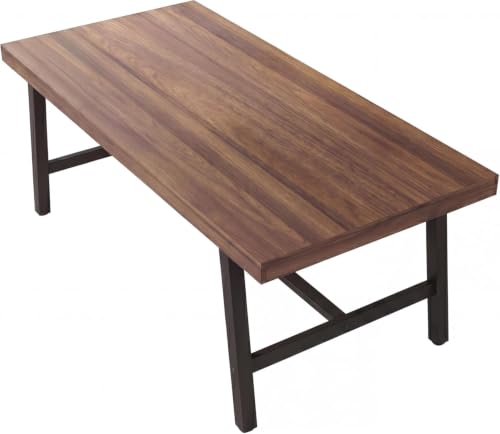
Maintain a minimum of 24 inches (61 cm) for clear passage in high-traffic areas. This width allows for comfortable navigation without bumping into surfaces.
For spaces where two individuals may walk simultaneously, aim for a distance of at least 36 inches (91 cm). This ensures ease of movement and eliminates the need to shuffle or squeeze past each other.
In dining areas, ensure at least 36 inches (91 cm) from the edge of the table to walls or other objects. This enables guests to move in and out of their seats without constraints.
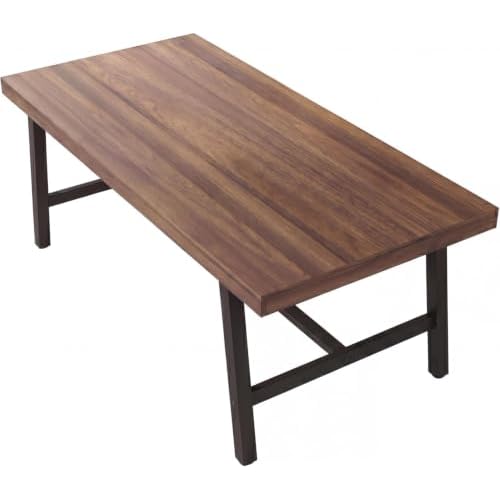


In large rooms, consider pathways of 48 inches (122 cm) or wider to facilitate mobility and create an open environment. This is particularly useful in social settings or multi-purpose spaces.
Adjustments may be necessary depending on the size of the furniture and overall room configuration. Prioritizing measurement will result in a practical and functional layout.
Recommended Distances for Living Rooms
Maintain at least 24 inches of clearance in pathways for easy passage. This width accommodates most individuals and allows for minimal obstruction when moving around.
Seating Arrangements
Position sofas and chairs with approximately 18 to 24 inches apart. This distance encourages conversation while keeping enough room to navigate comfortably.
Coffee Tables and Accessories
Place coffee tables or similar pieces 16 to 18 inches away from sofas or seating. This range facilitates easy access while preventing crowding, ensuring a relaxed environment.
Ensure that any additional elements, such as side tables, are also strategically positioned to maintain clear walking areas. A distance of 14 to 18 inches from seating can enhance convenience without feeling too cramped.
Implement these guidelines to create an inviting layout, enhancing both functionality and comfort in your living space.
Optimal Spacing in Dining Areas
Leave at least 36 inches in width around the dining table to allow smooth movement for chairs and those seated. For larger gatherings, increase this to 48 inches, enhancing comfort when people are accessing their seats or serving food.
If the dining area accommodates a sideboard or buffet, maintain a clearance of 30 inches from the edge of the table to ensure ease of access while serving dishes or drinks. This also helps keep the flow unobstructed during meal times.
For walkways leading to the dining area, aim for a distance of 28 to 30 inches. This allows guests to maneuver freely without feeling cramped, even in smaller spaces. Adequate separation from walls or barriers can prevent bottlenecks during gatherings.
In homes with multi-purpose dining spaces, consider adjusting the configuration based on usage. For instance, if the area doubles as a workspace or entertaining zone, maintaining at least 42 inches of width aids in accommodating additional seating or movement during social events.
Regularly evaluate the layout to ensure it’s practical for varying group sizes. Flexibility can be key; consider lightweight furniture that’s easy to rearrange to suit different occasions.
Clear Pathways in Hallways
A minimum of 36 inches is ideal for hallways to ensure easy passage. This allows two individuals to walk side by side without obstruction. If the corridor is less than 48 inches wide, consider reducing any items along the edges to avoid congestion.
For high-traffic areas, aim for pathways of 48 inches or more. This width accommodates various activities, including moving larger objects. Reducing visual clutter can enhance the perception of width, while using mirrors can create an illusion of a broader space.
When arranging artwork or decor, keep the height consistent to avoid visual disruption and maintain a cohesive look. Always ensure that even the most decorative items do not impinge on the designated walking zones.
In case of shared household usage, a clear and unobstructed path becomes vital for safety. Avoid placing any furniture or decorative pieces that may create a tripping hazard, especially near entrances or exits.
Regularly assess the hallway environment and adjust elements as necessary to maintain a fluid flow. Being proactive about minor adjustments can vastly improve usability and aesthetics in the area.
Considerations for Small Bedrooms
Maintain a clearance of at least 18 inches around the bed. This allows easy access to the mattress for making the bed, and it provides enough room for side tables if needed. When placing a bed against a wall, ensure at least 24 inches of distance between the edge of the bed and the nearest furniture piece.
Placement Strategies
Utilize multifunctional pieces to maximize utility. A storage bench at the foot of the bed can serve as a seating area while providing storage. Wall-mounted shelves free up floor area, allowing for better flow.
Layout Suggestions
Consider placing the bed diagonally in the corner to create a perception of increased space. This arrangement can also open up the center of the room, facilitating movement. A vertical mirror can create an illusion of depth, enhancing the overall feel of spaciousness.
| Furniture Item | Recommended Clearance |
|---|---|
| Bed | 18-24 inches from surrounding pieces |
| Dresser | 24-30 inches if doors open towards it |
| Nightstand | 18-24 inches next to bed |
| Chair or Bench | 18-36 inches from the bed |
Adequate Space Around Beds
A clearance of at least 24 inches on three sides of the bed ensures easy access and movement. If the room allows, increasing this distance to 30-36 inches can enhance comfort significantly.
- For a queen bed, 30-36 inches on all sides is optimal if accessing both sides regularly.
- In small spaces, aim for a minimum clearance of 24 inches, but prioritize one side for access.
- Consider placing nightstands that are 20-24 inches wide; this allows easy reach while maintaining flow.
In bedrooms with two beds, maintain at least 30 inches between them for seamless navigation. This promotes a relaxed environment, allowing for effortless movement.
- In rooms with en-suite bathrooms, provide at least 36 inches of clearance from the bed to the door for easy transit.
Ultimately, focus on creating a balance of accessibility and aesthetics to enhance the overall bedroom experience.
Accessible Furniture Arrangements for Seniors
Ensure at least 36 inches in width for clear movement in shared areas, allowing for easy navigation without obstruction. This dimension accommodates walkers and wheelchairs while promoting comfort.
Living Room Layouts
Arrange seating to facilitate conversation and movement. Place chairs and sofas with a minimum of 30 inches apart to create conversational zones and pathways. Consider using lightweight or movable furniture, which can be adjusted based on varying needs.
Bedroom Setup
Maintain a minimum of 36 inches around the bed to ensure effortless access. For accommodating assistive devices, prioritize bedside clearance on both sides. Utilize nightstands that are easily reachable from a seated position.
Using round tables instead of square ones promotes easier movement in dining areas; allow at least 48 inches from the edge of the table to walls or other surfaces for dining without obstruction.
Creating Flow in Open-Plan Spaces
Maintain a minimum of 24 inches for pathways within open areas, ensuring smooth transit. This dimension allows individuals to move freely without obstruction.
For specific arrangements, consider these guidelines:
- In lounging zones, allocate at least 36 inches to allow for comfortable movement around seating.
- For dining setups, ensure a clearance of 42 to 48 inches between tables and walls or other items to facilitate easy access and circulation.
- In transitional spaces like hallways, a width of no less than 36 inches is optimal, promoting safe and unimpeded access.
For compact areas, it’s wise to utilize multi-functional pieces. This strategy not only enhances functionality but also promotes a better flow while maximizing the available room.
Adjust layouts according to traffic patterns. Place larger elements–like sofas or cabinets–against walls, keeping pathways open and unobstructed. Also, use rugs to define zones without closing off areas.
In open-plan designs, visual coherence is key. Keep color palettes and materials consistent to enhance the perceived continuity between different sections.
Regularly reassess arrangements to adapt to changes in lifestyle, ensuring that the environment remains efficient and welcoming.
Adjusting Furniture Distance for Kids’ Play Areas
Ensure at least 3 feet between major items to facilitate free movement. This particular clearance allows children to engage in activities like running or playing without obstacles. Furthermore, consider placing softer items, such as bean bags or play mats, in accessible areas to encourage relaxation and comfort during downtime.
Designing Interactive Spaces
Incorporate movable elements that can be rearranged based on specific activities. For instance, during craft sessions, a table should be within 2 feet of seating and easily accessible to reduce frustration. Create defined areas for different playstyles, like a reading nook 4 feet away from energetic play zones to minimize distractions.
Safety Measures
Incorporate rounded edges on tables and shelves within 5 feet of active play regions to enhance safety. Ensure that larger toys are stored within easy reach but not cluttering pathways. Regular assessments of layout will help maintain an environment conducive to free play and imaginative experiences.
Avoiding Clutter in Home Offices
To maintain a productive environment in a home office, a minimum of 36 inches between the desk and any surrounding items is ideal. This distance not only allows for comfortable movement but also helps in reducing distractions.
Essential Organization Tips
Investing in vertical storage solutions can drastically minimize items on surfaces. Shelving units or wall-mounted organizers clear desk clutter and enhance accessibility. A predefined place for each item streamlines workflow.
Table of Recommended Distances for Equipment
| Item | Recommended Clearance (inches) |
|---|---|
| Desk Chair | 30 |
| Printer | 24 |
| File Cabinet | 36 |
| Bookshelf | 24 |
Keep cables organized and out of sight. Cable management solutions, such as clips or under-desk trays, prevent tangling and create a streamlined appearance. Regularly assess items on the desk and remove any non-essential objects to further cultivate an organized and efficient workspace.


