Caleb Turner
Providing textured alternatives such as sisal-covered scratching posts diverts attention from beloved couch corners. Encourage engagement with these items by placing them near favored resting spots. The familiarity aids in redirecting natural instincts toward appropriate objects.
Utilizing deterrents like double-sided tape or citrus-scented sprays on targeted areas can prove beneficial. Cats generally avoid sticky surfaces, leading to reduced interest in previously attacked locations. Consistency in applying these methods reinforces the message, creating boundaries around acceptable behaviors.


Positive reinforcement plays a significant role in behavior modification. Rewarding with treats or affection after interaction with appropriate surfaces solidifies the connection between desired actions and pleasurable outcomes. Over time, this builds a routine, encouraging reliance on scratching posts instead of upholstery.
Regular nail trimming complements these tactics, minimizing damage potential during exploratory activities. Establishing a comfortable routine around nail care can ease the process, making it a manageable part of pet maintenance. Focusing on these strategies fosters an environment where everyone coexists harmoniously.
Understanding Why Cats Scratch
Recognizing that felines engage in clawing behavior for various reasons is key to addressing the issue. Scratching serves to maintain healthy claws by shedding old layers, helping prevent nails from becoming overgrown or splitting. This act also stretches muscles, provides physical stimulation, and relieves stress.
Territorial marking occurs through scratching as well. Cats possess scent glands in their paw pads, which release pheromones during scratching, signifying ownership of a space. This instinctual behavior ensures that a location is marked as familiar and secure.
Environmental enrichment plays a significant role. Without suitable objects to scratch, some may resort to household items to satisfy their needs. Providing alternative surfaces specifically designed for clawing can redirect this natural behavior to more appropriate spaces.
Understanding that each feline has unique preferences can help tailor approaches. Observe which surfaces or materials are favored. Some may prefer vertical posts while others might lean toward horizontal platforms. Having a variety will accommodate personal tastes.
Finally, keeping an eye on emotional well-being can guide strategies. Stress or anxiety might prompt increased scratching, thus creating a calming atmosphere through play and interaction will support happier and more balanced behavior.
Choosing the Right Scratching Post
Prioritize height and stability. A post should be at least 28 inches tall to accommodate stretching and clawing. Ensure it has a solid base to prevent tipping during use.
Materials play a significant role. Sisal rope or natural wood is ideal for satisfying a feline’s instincts. Avoid synthetic fabrics, which may not provide the same gratification.
Consider the design. Vertical and horizontal options should be available to cater to different preferences. A combination of both can enhance the likelihood of engagement.
Testing is vital. Observe reactions to various models; some may show a preference for particular textures or angles. Offer multiple options if possible, as this promotes exploration.
Location matters. Position the post in a visible area, preferably near commonly used lounging spots. This encourages interaction and captures attention effectively.
Regularly inspect the post for wear and tear. Maintaining its condition will sustain interest. Replace worn-out elements promptly to ensure ongoing appeal.
Introducing the Scratching Post to Your Cat
Position the scratching post in an area where the feline prefers to stretch and play. A prime location near favored resting spots or within sight of family activities can attract interest. Ensure that the post is stable to avoid wobbling during use.
Use enticing materials to spark curiosity. Catnip can be rubbed onto the post to encourage interaction. Additionally, engaging with the scratching post during playtime can create positive associations, making it more appealing.
Encourage tactile exploration by gently moving the furry companion’s paws over the post. This not only familiarizes them with the texture but also instills a sense of comfort. Consistency is key–each interaction should aim to reinforce the scratching post as an enjoyable outlet.
Monitor the response closely. If initial interest is low, try experimenting with various designs and heights of the scratching apparatus. Some felines prefer vertical structures, while others may favor horizontal options. Adaptability in choices can significantly impact the adoption of the new object.
Reward interactions with praise or treats. Acknowledgment of their use reinforces the behavior, leading to a gradual shift away from damaging surfaces. Regularly inspecting and maintaining the post ensures it remains a favored item in their environment.
Using Deterrents to Protect Furniture
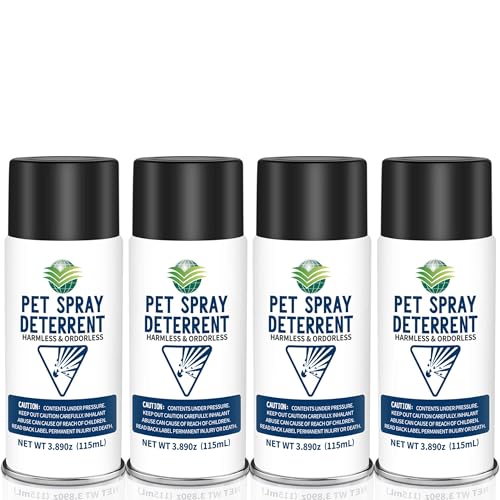
Implementing deterrents can significantly reduce unwanted behavior in pets. Effective products include sprays with unpleasant odors that repel while being safe for surfaces. Citrus scents, as an example, are commonly disliked by felines. Apply these in areas where scratching occurs.
Physical Barriers
Using physical barriers offers immediate protection for cherished objects. Adhesive strips or double-sided tape can be placed on targeted zones, creating an unpleasant texture. Additionally, furniture covers can be effective in safeguarding specific pieces until desired habits are formed.
Sound Deterrents
Sound devices, such as motion-activated alarms, emit noises that startle when movement is detected. This approach conditions the instinct to avoid prohibited areas. Another option is using canned air or crinkly objects placed near the targeted locations to create an unexpected sound.
| Deterrent Type | Application Method | Pet Reaction |
|---|---|---|
| Scent-based sprays | Spray on furniture | Aversive reaction, avoidance |
| Adhesive tape | Attach to surfaces | Discomfort, change in behavior |
| Motion-activated alarms | Install near furniture | Startled response, retreat |
By consistently applying these deterrents, a gradual reduction in undesirable actions becomes possible, leading to a more harmonious living environment for all inhabitants.
Positive Reinforcement Techniques
Implementing positive reinforcement boosts desired behaviors while redirecting attention from unwanted actions. Reward with treats, praise, or playtime when the feline engages with appropriate surfaces.
- Use high-value treats: Choose a favorite snack that stands out from regular kibble. Offer this treat immediately after the desired action.
- Timing is crucial: Deliver rewards right after the behavior. Immediate reinforcement helps establish connections between actions and rewards.
- Verbal praise: Accompany treats with enthusiastic verbal affection. Use a cheerful tone to associate positive feelings with appropriate scratching.
- Interactive play: Engage with toys during reinforcement moments. Playing with the pet can create positive associations with specific areas in the home.
Consistency plays a pivotal role. Ensure everyone in the household applies the same techniques to avoid confusion. This unified approach enhances learning.
- Observe the behavior: Note when the animal uses the scratching post instead of other surfaces.
- Reinforce quickly: Provide treats or praise as soon as the action occurs.
- Vary rewards: Mix up treats and praise to keep the motivation high. Sometimes, using different types of rewards can renew interest.
Incorporating these methods encourages a positive learning atmosphere. By consistently rewarding the right behavior, felines can learn more effectively to prefer designated areas.
Establishing a Consistent Routine
Implementing a daily schedule is vital for guiding feline behavior. Dedicate specific times for interactive sessions with the scratching post. Regular playtime creates a structured environment, reinforcing the post’s importance as a designated area for claw maintenance.
Suggested Daily Schedule
- Morning Routine: Spend 10-15 minutes engaging with the scratching post right after waking up. This sets a positive tone for the day.
- Midday Session: Incorporate short intervals of play throughout the day, prompting use of the post as an outlet for energy.
- Evening Engagement: Offer an extensive interactive session in the evening, allowing for exploration and positive interactions with the post.
Consistency is paramount. Repeating these actions at the same times daily strengthens recognition of the behavior expectations. Additionally, ensure each interaction ends on a positive note, helping build trust and familiarity.
Monitoring Progress
Keep track of patterns in behavior. Note the times your furry friend visits the scratching post versus unauthorized areas. Adjust the routine if necessary, ensuring it remains stimulating and enjoyable.
By adhering to a daily schedule, establishing habits becomes easier, leading to more effective results in redirecting attention away from unwanted surfaces.
Monitoring Progress and Adjusting Strategies
Regularly assess the behavior patterns of your feline companion to determine the success of implemented methods. Notice the frequency of interactions with designated scratching surfaces compared to furniture. Tracking changes over a few weeks can offer insights into areas needing further adjustment.
If scratching persists on unwanted items, consider altering the placement of the scratching post. Position it near areas of frequent activity, enhancing its visibility and accessibility. Observing your pet’s preferences can guide placement strategies, ensuring the post becomes a more appealing option.
Evaluate the materials and design of the scratching post. Some kittens show distinct preferences for certain textures, so maintaining a selection of options might yield better results. Experiment with various types, such as carpeted, sisal-wrapped, or cardboard, and see which ones entice the most engagement.
Note the effectiveness of deterrents. If previously used methods aren’t yielding desired outcomes, it may be time to switch to new strategies. Consider different scent repellents or additional barriers around cherished furniture. Adjustments may keep your home protected while encouraging preferred scratching behavior.
Engagement with positive reinforcement should be monitored as well. If treats or praise are offered inconsistently, consider standardizing the rewards system. Clear and consistent affirmation of desired behavior will contribute to reinforcing habits in the long run. Regularly revisiting the reward structure guarantees motivation remains high.
Periodic reassessment not only helps tailor the approach but also fosters perseverance. Observe reactions and adjust tactics as necessary, creating an adaptive plan that responds effectively to your feline’s evolving preferences and behaviors.
When to Consult a Veterinarian or Behaviorist
Immediate consultation with a veterinarian or behavior specialist is warranted upon noticing signs of distress, excessive anxiety, or behavioral issues that persist despite implementation of training methods. If attempts at modification fail after several weeks, expert advice should be sought to rule out underlying medical conditions that may contribute to unwanted actions.
Indicators for Professional Help
Monitor for signs of compulsive behavior, aggression, or if the feline becomes withdrawn. Purring paired with aggressive scratching can indicate discomfort or pain that needs addressing. Behavioral concerns such as sudden changes in habits or habits that escalate can indicate mental health issues requiring professional insight.
Choosing the Right Professional
Select a veterinarian with experience in behavioral issues if health problems are suspected. Behaviorists usually hold specialized credentials and can offer solutions tailored to unique situations. Consider seeking professionals who emphasize positive reinforcement methodologies in their strategies.