Caleb Turner

To achieve an accurate angle reading on a short iron, begin by selecting a reliable angle finder or loft gauge, designed specifically for this purpose. Position the club vertically, ensuring the sole is on a flat surface. The angle finder should rest against the face of the club, aligning it parallel with the club’s vertical axis.
An alternate method involves using a digital protractor. Place the protractor’s base against the ground and align the arm with the club face. Once aligned, the digital display will provide a clear angle reading, indicating the specifics of the club’s face angle.
Checking against manufacturer specifications helps verify the accuracy of the measurement. Regular reassessment is advisable, especially after significant usage or adjustment of the club, ensuring consistent performance and precision in play.


Understanding Loft and Its Importance in Wedges
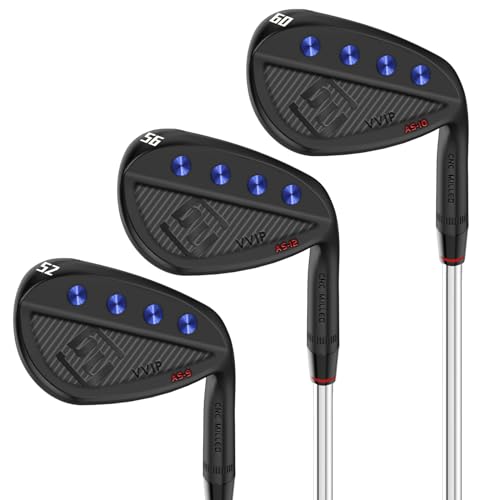
A precise angle is fundamental in determining the performance characteristics of short-range clubs. This specific measurement allows for tailored shot trajectories and control over how the ball behaves upon landing. Knowing the inclination helps in selecting the right tool for various scenarios around the green.
Effects on Shot Performance
The angle influences both distance and spin. A higher inclination typically results in a softer landing and increased backspin, allowing for better stopping power on the greens. Conversely, a lower inclination might yield a flatter trajectory and longer roll-out, useful in particular situations where a player wants the ball to travel further before stopping.
Club Selection and Customization
Selecting the appropriate incline involves considering individual playing style and course conditions. Custom fittings can reveal optimal angles based on swing mechanics and personal preferences. Testing different angles ensures the club complements the golfer’s unique approach to short-game situations.
Tools Required for Measuring Loft Accurately
Utilizing a launch monitor represents one of the most precise approaches available for evaluating the angle of inclination on a club. This device provides a comprehensive analysis of ball flight characteristics and delivers accurate angle readings, allowing for on-course adjustments. Ensure the monitor is properly calibrated and set to the appropriate club specifications before use.
Using an Angle Measuring Tool
An angle measuring device, such as a digital protractor or an inclinometer, serves as a reliable tool in determining the specific incline angle. Position the equipment securely against the clubface to achieve precise readings. High-quality models offer digital displays for easy interpretation.
Employing a Loft and Lie Gauge
A specialized loft and lie gauge combines efficiency and accuracy. This tool can be utilized to check both the vertical angle and horizontal configuration of the clubhead. Ensure the club lies flat against the base of the gauge for reliable results. Calibration checks should be performed regularly to maintain accuracy.
Step-by-Step Guide to Measuring Loft
Utilize a precise angle measuring device for accurate results. Follow these clear steps:
- Position the club on a flat surface. Ensure that it rests naturally without any tilt.
- Align the angle gauge with the clubface. Place one end on the ground and the other against the clubhead.
- Read the angle displayed on the gauge. This value indicates the club’s angle.
- Repeat the measurement two to three times to confirm consistency and reliability in results.
- Document the findings for future reference or adjustments.
Alternative Methods
If specialized tools aren’t available, consider these methods:
- Use a protractor aligned with the clubface while it’s resting on a level surface.
- Check against another club with a known angle for a comparative analysis.
Accurate measurements provide insight into performance and can guide necessary adjustments for improved play.
Common Mistakes to Avoid When Measuring Loft
One frequent error is not ensuring the club is positioned correctly during the assessment. Maintaining a consistent angle and alignment with the measuring device is essential for accuracy.
Using inappropriate tools may lead to inaccurate results. Confirm that the instruments are calibrated and suited for this specific evaluation. A protractor or an angle finder designed for golf equipment should be prioritized.
Ignoring Conditions
Conducting the evaluation in an unsuitable environment can introduce variables that distort the findings. A flat surface free of obstructions guarantees a more precise reading. Weather conditions, such as wind or excess humidity, can also affect the process.
Not Documenting Readings
Failing to record the readings makes it difficult to analyze results later. Keeping a log of measurements allows for tracking changes over time, facilitating better decision-making regarding equipment adjustments.
Rushing through the assessment can lead to oversights. Taking the time to double-check results can ensure the reliability of the measurements obtained.
Interpreting Loft Measurements for Different Playing Styles
Understanding loft specifications tailored to specific playing styles enhances performance on the course. Each player’s technique and strengths dictate ideal angles, which can significantly influence shot accuracy and distance control.
Player Profiles and Their Ideal Angles
- Beginner: Usually benefits from a higher angle, which aids in lifting the ball easily off the ground. A range around 56-60 degrees can assist in achieving better trajectory.
- Intermediate: Transitioning players may find versatility in angles between 52-56 degrees, allowing for a balance of control and distance while still providing adequate elevation.
- Advanced: Experienced players often prefer lower angles like 50-54 degrees for greater versatility in shot shaping and distance control. Mastery of various trajectories caters to course conditions.
Adjusting to Playing Conditions
- Soft Greens: Higher angles facilitate stopping the ball quickly, making 58-60 degrees more advantageous.
- Firm Greens: Lower angles, such as 52-54 degrees, can help achieve better roll-out and distance, reducing bounce after landing.
- Windy Conditions: When facing wind, a lower loft aids in penetrating through gusts, maintaining accuracy and predictable distance.
Recognizing the relationship between loft and personal style allows for customized equipment selections, ensuring optimal performance tailored to individual needs. Regularly assessing proficiency can provide insight into potential adjustments, facilitating improved outcomes on the course.
Adjusting Loft on Your Wedge: What You Need to Know
For optimal performance on the course, maintaining the correct angle on your short game club is crucial. Precision manipulation can enhance ball trajectory and overall playability. Many tools exist to fine-tune these angles for personalized adjustments. Always choose a reputable club fitter or consider using loft and lie machines for accuracy.
Factors Influencing Adjustments
Factors such as swing speed, desired shot shape, and personal comfort play significant roles. For example, if needing a higher ball flight, increasing the angle slightly may assist in achieving that height. Conversely, a flatter stance could benefit from a reduction for lower shots. Understanding these dynamics informs adjustments effectively.
Process Overview
Adjustment involves several steps. Consider the following:
| Step | Description |
|---|---|
| 1 | Identify your current specifications and performance needs. |
| 2 | Use a professional tool to make precise modifications. |
| 3 | Test the club on the course to assess effectiveness. |
| 4 | Make further adjustments if needed based on performance data. |
Regular evaluations of club performance will ensure that the necessary adjustments align with evolving playing styles and techniques. This proactive approach leads to better outcomes on the green.
Environmental Factors Affecting Loft Measurements
Humidity levels can significantly influence how angles appear on the club’s face. High humidity may lead to moisture accumulation, causing alterations in grip and surface contact. Ensuring the equipment remains dry during assessments is crucial for accuracy.
Temperature variations also play a role. Cold weather may harden the materials, potentially leading to slightly different readings compared to warmer temperatures. Conducting evaluations in a controlled climate can minimize discrepancies.
Wind introduces another variable. While it typically does not affect static measurements, it can influence the performance of a club during practice swings, giving an impression of altered angles. Be mindful of wind conditions during outdoor evaluations to ensure consistency.
Ground conditions, such as turf type and softness, affect swing dynamics and could alter how a club interacts with the ground. Conduct assessments on similar surfaces for reliable results.
The altitude of the measuring location can also impact performance. Higher altitudes may result in less resistance to clubhead speed, influencing how the club feels and performs despite the actual specifications remaining unchanged. Consider adjustments in measuring protocols based on elevation.
Consider routine calibration of measurement tools to counteract wear and tear, especially if frequently exposed to varying environmental conditions. Accurate instruments will provide better consistency, minimizing the impact of external factors on readings.
Keeping Track of Loft Changes Over Time
To maintain consistency in performance, recording alterations in wedge angle is critical. A logbook or a digital app can be used to track each adjustment and the respective conditions under which they occurred. For example, note the date, the change made, and any observed impact on ball flight. This becomes a useful reference for future adjustments and helps shape playing strategy.
Regular Assessments
Schedule periodic evaluations to determine the current angle. Changes caused by wear, environmental factors, or even adjustments can affect the precision of the club’s specifications. Comparing previous measurements will reveal trends, whether an increase in bounce over time or a gradual flattening of the face angle.
Consistency in Tools and Methods
Using the same tools and procedures for each measurement ensures uniformity. This minimizes discrepancies in the readings over time. Whenever a shift is documented, compare it against the typical performance metrics to assess its effect on playing style. Adjusting to a new angle might require practice or alteration in technique; documenting these experiences can lead to optimized performance.